Back then there had been many years of engagement between the generals and an assortment of UN envoys, exploring ways to end their pariah status and re-engage with the rest of the world. It was a more optimistic era; the generals could see their South East Asian neighbours prospering through trade with the Western world, and they wanted an end to crippling economic sanctions.
They also sought better relations with the US as a counterbalance to their dependence on China, at a time when the Obama administration was making its celebrated “pivot” to Asia.
The top generals were still hard-line and suspicious, but there was a group of less senior officers keen to explore a political compromise.
It is not clear what finally persuaded the military leadership to open the country up, but they clearly believed their 2008 constitution, which guaranteed the armed forces one-quarter of the seats in a future parliament, would be enough, with their well-funded party, to limit Aung San Suu Kyi’s influence once she was released.
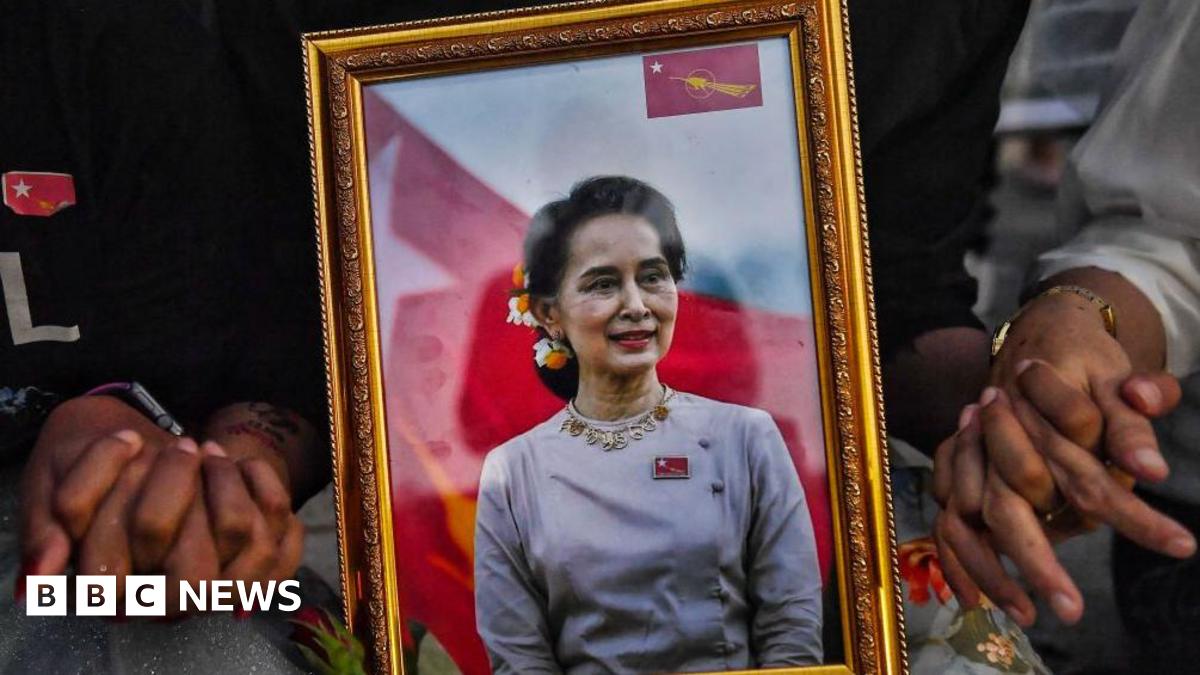
They badly underestimated her massive star power, and they underestimated how much their decades of misrule had alienated most of the population.
In the 2015 election the USDP won just over 6% of the seats in both houses of parliament. In the next election in 2020 it expected to perform much better, after five years of an NLD administration which had started with impossibly high hopes, and had inevitably disappointed many of them. But the USDP fared even worse, winning just 5% of seats in the two houses.
Even many of those who were dissatisfied with Aung San Suu Kyi’s performance in government still chose hers over the military’s party. This raised the possibility that she might eventually win enough support to change the constitution, and end the military’s privileged position.
It also ruled out the armed forces commander Min Aung Hlaing’s hopes of becoming president after his retirement. He launched his coup on 1 February 2021, the day Aung San Suu Kyi was due to inaugurate her new government.
This time there are no reformers in the ranks, and no hopes of the kind of compromise which restored democracy back in 2010. The shocking violence used to put down protests against the coup has driven many young Burmese to take up arms against the junta. Tens of thousands have been killed, tens of thousands of homes have been destroyed. Attitudes on both sides have hardened.