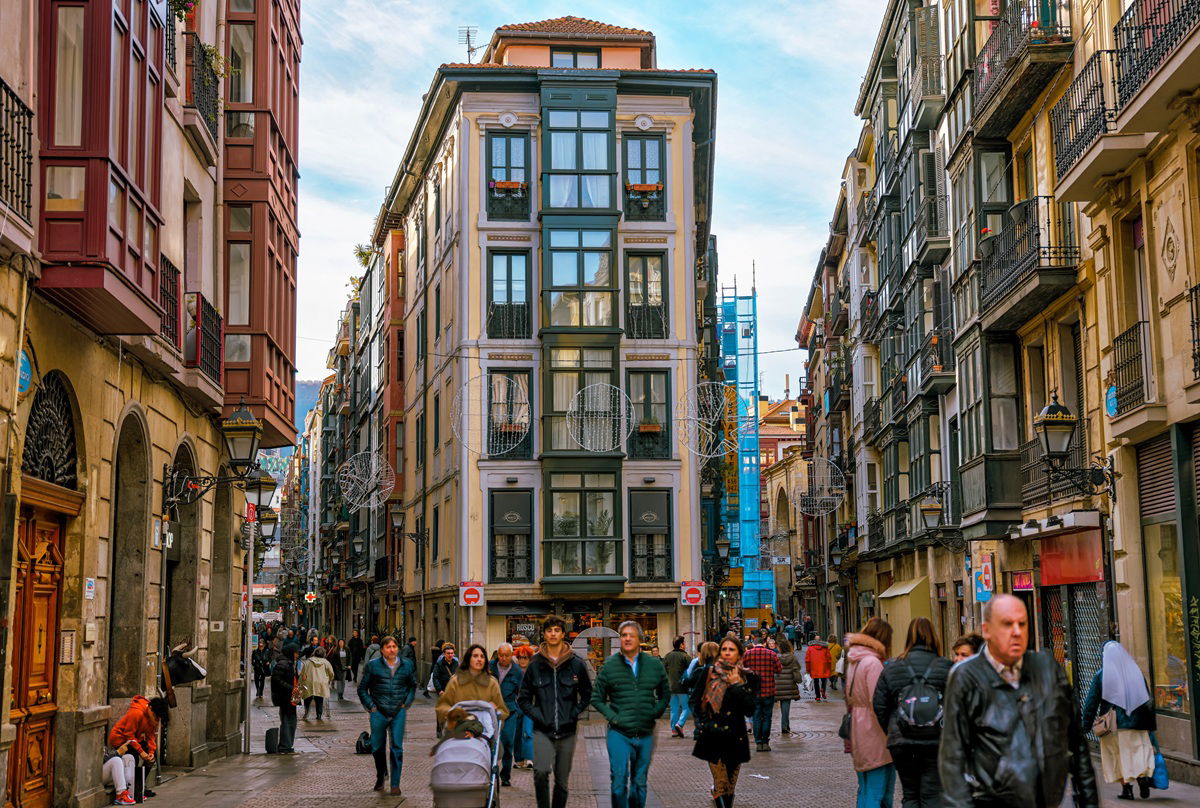
Daily life in Bilbao, ranked among Spain’s most welcoming cities according to a recent national study.
Credit : Todamo, Shutterstock
Spain is famous for its warmth. The smiles, the chatter, the sense that life happens outdoors and in company. But anyone who has actually lived here knows the truth is more subtle. Friendliness isn’t a national constant. It shifts from city to city, street to street, sometimes even neighbourhood to neighbourhood.
A recent nationwide ranking has tried to pin down that feeling many expats and long-term residents recognise instinctively: in some places, daily life just feels easier. In others, not so much. And no, the results don’t simply crown Madrid or Barcelona by default.
This isn’t about postcard charm or holiday vibes. It’s about what happens on an average Tuesday: how people speak to each other, how conflict is handled, whether you feel acknowledged or ignored. The small things that quietly shape life.
Most Read on Euro Weekly News
How the ranking was put together – without relying on stereotypes
The study was carried out by international platform Remitly, based on responses from over 2,000 people across Spain. Instead of asking whether a city is “nice”, participants were questioned about very specific behaviours.
- Do people treat others with respect?
- Do they make newcomers feel at ease?
- How common are insults, resentment or self-interest in everyday situations?
These answers were analysed using the recognised Big Five personality model, producing a friendliness score out of 100 for each city. The differences aren’t dramatic – but they’re revealing.
What emerges isn’t a list of good and bad places. It’s more like a map of social styles.
The cities where kindness feels effortless
Bilbao: the surprise frontrunner
At the top of the ranking sits Bilbao, with 72.53 points. For many, that comes as a surprise. Northern Spain has long carried a reputation for reserve, even coldness.
The reality painted by the data is very different. Respondents describe a city where respect sets the tone. One figure stands out: 87 per cent of people surveyed said they do not identify with insulting others. That may sound minor, but it shapes daily life more than we realise.
In Bilbao, friendliness isn’t loud. It’s steady. You’re left alone when you want to be, helped when you need it, and rarely drawn into unnecessary friction. For many newcomers, that quiet balance makes integration feel natural rather than forced.
Zaragoza: calm, consistent, drama-free
Just behind Bilbao comes Zaragoza, scoring 72.34. It’s a city that rarely makes international headlines, but its residents’ responses tell a clear story.
Social life here is described as measured and low-conflict. People expect little, demand little and move on quickly from disagreements. Ego and revenge barely feature. There’s a sense that not every interaction needs to be a performance.
It’s not flamboyant friendliness – it’s the kind that leaves you less tired at the end of the day.
Valladolid and Málaga: different warmth, same score
With 72.30 points each, Valladolid and Málaga land in joint third place, showing how varied friendliness can look.
In Valladolid, kindness shows up as politeness and restraint. Conversations stay civil. Verbal aggression is rare. In Málaga, warmth is more expressive, shaped by constant interaction with visitors, expats and new arrivals.
Two very different styles, same conclusion: people generally feel welcome.
Other cities rounding out the top ten include Palma de Mallorca, Seville, Vigo, Murcia, Madrid and Valencia.
The bottom of the table – and why it’s not what it seems
At the lower end appear Córdoba, Las Palmas and Barcelona, with Alicante finishing last on 70.78 points.
Before alarm bells ring, it’s worth noting something important: the gap between first and last place is under two points. That alone tells you this isn’t about unfriendly cities – it’s about nuance.
Alicante: last place, but only just
Alicante’s lower score reflects slightly higher levels of defensive reactions in conflict situations, along with marginally lower empathy scores. That’s it.
Tourism pressure, seasonal population swings and housing stress all influence how people interact. Even so, Alicante still scores as broadly friendly. “Last” here does not mean hostile – just a touch more guarded.
Madrid and Barcelona: distance, not dislike
Madrid comes ninth. Barcelona sits lower. Yet the details complicate the picture.
In Barcelona, 93.4 per cent of respondents say they treat others with respect – one of the highest figures in the entire study. What drags the score down isn’t rudeness, but emotional distance.
High density, mass tourism, rising rents and constant turnover change how people relate. Interactions become shorter, patience thinner. It’s not personal – it’s urban fatigue.
Madrid shows a similar pattern: direct, fast-paced, occasionally abrupt, but not inherently unkind.
Age, gender – and who feels kindest overall
Across all cities, people over 55 consistently scored highest for patience and empathy. Life experience seems to soften responses.
Women were more likely to report behaviours that help others feel comfortable. Men tended to describe a more direct communication style – sometimes read as blunt, even when no offence is intended.
What this ranking really tells us
This isn’t a verdict on cities. It’s a reflection of social atmosphere.
Friendliness in Spain is widespread, but it isn’t uniform. In some places it’s loud and expressive. In others, it’s quiet and respectful. And in big cities under pressure, it can be hidden beneath speed and stress.
For anyone choosing where to live, retire or start over, these small differences often matter more than sunshine hours or rent prices.
And if your city landed lower than expected? Chances are it’s not unfriendly – just misunderstood.
The real question is whether this ranking matches your lived experience… or challenges it.
Does this ranking match your own experience? Have you noticed a warmer welcome in some Spanish cities than others? Let us know what you think – and where you’ve felt most at home – in the comments.