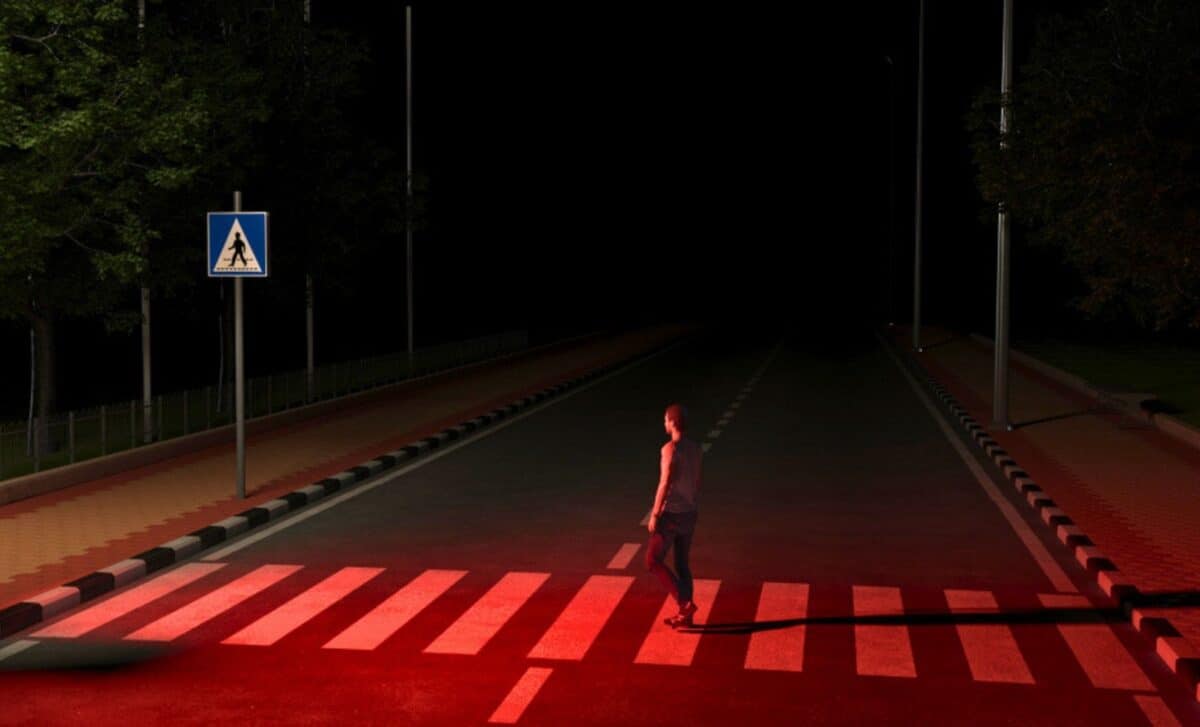
Cities have long equated brightness with safety. From sodium vapour lamps to high-efficiency LEDs, the evolution of urban lighting has focused on clarity, coverage and control. The aim has been uniform: eliminate dark corners, extend activity into the night, reduce risk. Little attention was given to what this illumination displaces or disrupts.
That is beginning to change. Subtle shifts in how streets are lit, where lights are placed and which wavelengths are used are prompting a quiet reappraisal of standard practice. This change is not driven by aesthetics or cost alone. In some areas, it begins with a question that conventional planning rarely posed: what does light erase?
On the outskirts of Copenhagen, one municipality is adjusting its streetlighting system in a way that departs from decades of urban convention. The solution looks minor. A colour change, visible mostly at night, only on certain streets. But the reasons behind the shift reflect a broader convergence of biodiversity policy, climate targets and infrastructure design.
Rather than dimming its lights entirely, Gladsaxe is trying something more precise. A red light. Not symbolic, but spectral. Not decorative, but calculated to reduce disruption to the natural systems that cities have often overlooked.
Red-Spectrum Lighting Introduced to Protect Nocturnal Species
In Gladsaxe, local authorities have installed red LED streetlights along a stretch of road identified as a habitat for seven bat species. While none of these are currently listed as endangered, research cited by the municipality indicates that at least two—the common pipistrelle and the brown long-eared bat—are especially susceptible to behavioural changes caused by artificial light.
The lighting system was implemented along Frederiksborgvej, a tree-lined corridor near which the bat populations feed and navigate. The shift from white to red lighting followed findings that short-wavelength light can significantly alter bat activity, while red-spectrum light is less likely to interfere with their echolocation and feeding patterns.
 The brown long-eared bat or common long-eared bat (Plecotus auritus) on a tree branch in a natural habitat. Credit: Shutterstock
Municipal traffic engineer Jonas Jørgensen described the red lighting as the best available option in areas where full darkness was not feasible. His statement, included in the municipality’s official press release, highlighted the balancing act between ecological sensitivity and basic safety requirements.
The project is part of the Lighting Metropolis – Green Mobility programme, an EU-supported initiative involving several cities in Denmark and Sweden. In collaboration with design firm Light Bureau, the municipality tailored the lighting configuration to reduce ecological impact without removing functionality. Warm white light remains in areas with significant pedestrian or vehicular traffic. Red light is used only where disruption to wildlife is likely.
Light Pollution and Infrastructure-Linked Habitat Disruption
The changes reflect growing recognition that artificial night-time lighting is a form of environmental disturbance. Studies over the past decade have identified multiple species—birds, insects, amphibians and marine life—whose reproductive, migratory or feeding behaviours are altered by artificial illumination.
Bats, in particular, have been a focal point due to their sensitivity to light and proximity to urban areas. Findings from a technical report prepared for the Danish Road Directorate underscore how road lighting can affect bat behaviour and survival, especially when installed close to feeding corridors or roosting areas.
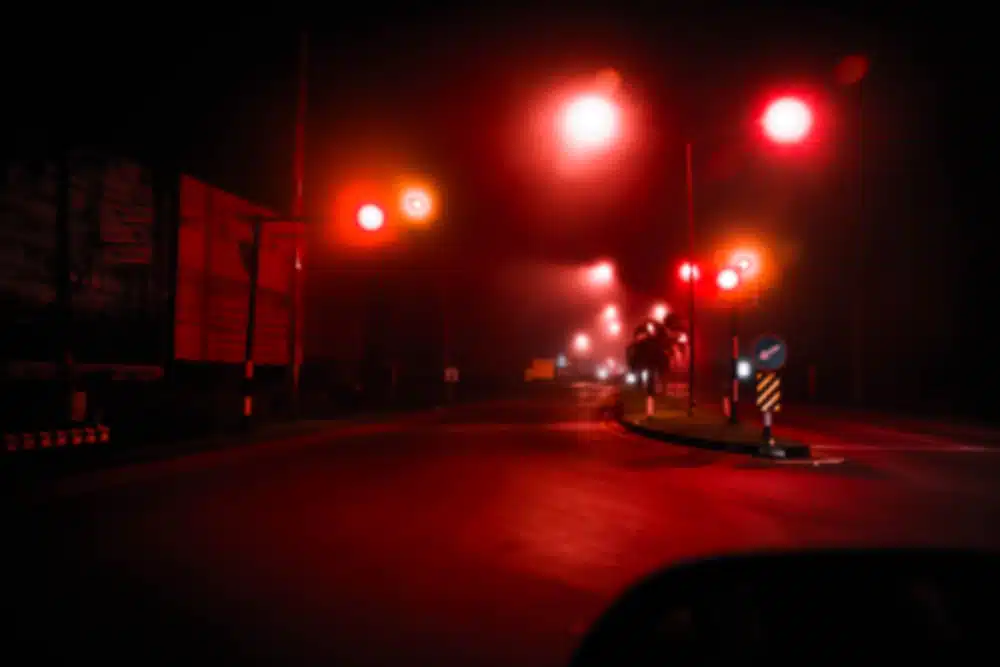 Gladsaxe replaced white streetlights with red LEDs to reduce disruption to local bat species while maintaining road safety. Credit: Shutterstock
This type of intervention aligns with efforts to meet the United Nations Sustainable Development Goals, particularly Goal 11 (sustainable cities), Goal 13 (climate action) and Goal 15 (life on land). Gladsaxe has formally adopted these goals into its municipal development strategy, making it the first “SDG Municipality” in Denmark.
Energy Performance and Emissions Alignment
The adoption of red-spectrum LEDs also brings energy and maintenance benefits. Compared to legacy sodium lamps or halogen systems, LEDs require less power, last longer and support smart lighting controls, including dimming and motion sensing.
The municipality is in the process of replacing approximately 5,000 fixtures, with funding and technical support through the Lighting Metropolis programme. Across participating cities, over 50,000 luminaires are being upgraded to more efficient systems, reducing operational costs and aligning with broader emissions targets.
 Red LED systems cut energy use and support climate goals through smart, low-emission public infrastructure. Credit: Shutterstock
This transition also supports SDG 7 (affordable and clean energy) by prioritising low-consumption public infrastructure. Beyond immediate energy savings, smart lighting networks allow municipalities to adjust output based on usage patterns, further reducing unnecessary light exposure.
Symbolic Cues and Urban Design Language
The choice of red lighting also functions as a spatial marker. In public communications, officials and designers have described the red glow as a visible reminder that a given area supports ecologically sensitive species. Philip Jelvard of Light Bureau stated in the project briefing that the colour could help make passersby aware of local habitats under protection.
This use of colour and tone as non-verbal urban cues is becoming more common in infrastructure design. By signalling transitions in land use or ecological sensitivity, lighting itself becomes a layer of public information.
Residents and commuters appear to have accepted the change. No visibility issues or negative feedback were reported by the municipality in the initial months following the installation. Monitoring of bat activity is ongoing, but no post-implementation behavioural data has yet been released.