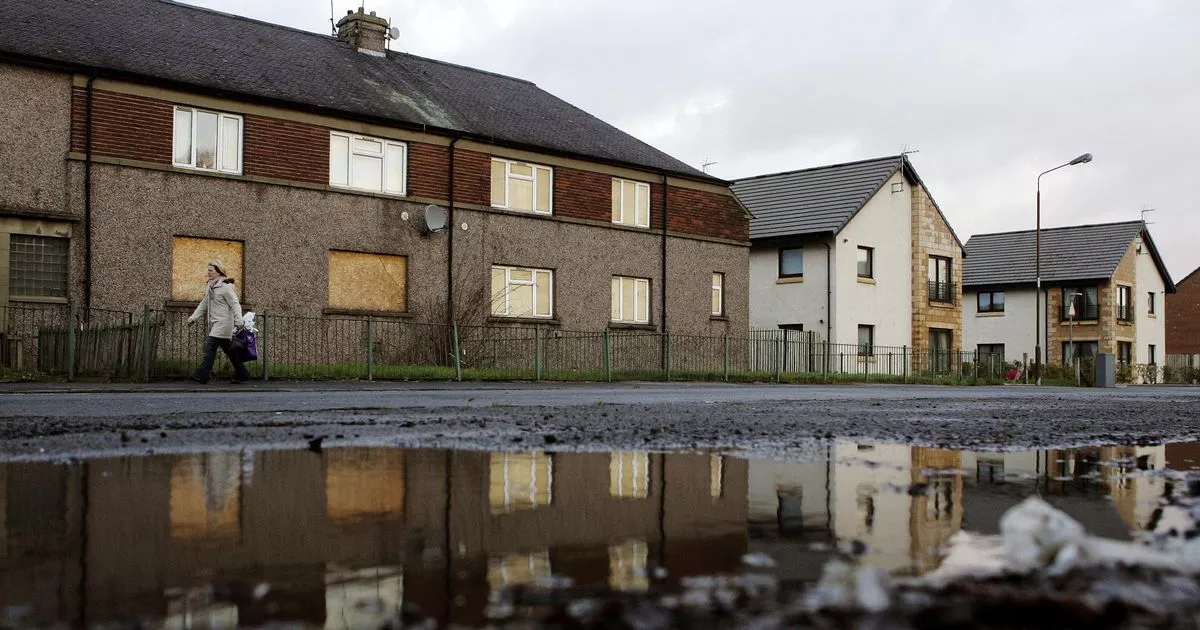
With one in seven pounds raised in tax in Scotland now paid out in benefits, the SNP’s strategy of bribing voters appears to be paying off… much to the disgust and disbelief of many
20:25, 15 Jan 2026Updated 20:27, 15 Jan 2026
Scotland has a ‘death wish’, says veteran broadcaster Andrew Neil(Image: )
Andrew Neil spoke for millions of bewildered Scots voters when he responded to the latest poll showing the SNP on course for a fifth consecutive term of office.
Despite an NHS is on its knees with record waiting lists, cancelled operations and bed blocking, a social care system in disarray, schools beset by violence and failing standards, underfunded councils that cannot perform basic functions such as collecting rubbish and fixing potholes, police, ambulance and fire services stretched to breaking point, high streets that are filled with boarded-up shops and pubs due to sky-high rates and reckless policies, punishingly high taxes for middle earners and an economy that hasn’t shown any signs of life in years, the Nats remain popular with a certain large cross section of society.
The answer, perhaps, lies in the devolved benefits bill which will be hiked by a further £650million in the SNP’s budget earlier this week; one in seven pounds raised in tax in Scotland is now doled out in welfare payments.
Earlier on Thursday, a poll from Survation suggested the SNP under John Swinney are on course to return 57 MSPs in the Scottish Parliament election on May 7, ahead of Labour on 21 and Reform with 18.
READ MORE: Peanuts! Russell Findlay tells John Swinney his tax cut ‘wouldn’t buy you a bag of peanuts’
Clearly flabbergasted, veteran broadcaster and journalist Neil, 76 – who was born and bred in Paisley – declared on X: “Scotland has a death wish. Continued decline inevitable with these engrained voting habits. Nobody to blame but themselves.”
The survey, carried out between January 8-12, came back with the following results, compared to the organisation’s last Scottish poll in October:
- Constituency: SNP: 34% (=) Reform: 19% (-3) Labour: 16% (-2) Conservative: 13% (+3) Lib Dem: 9% (+1) Green: 8% (+1)
- Regional: SNP: 28% (-1) Labour: 18% (+1) Reform: 18% (-2) Conservative: 13% (+1) Lib Dem: 11% (+1) Green: 9% (-1) Alba: 3% (+1)
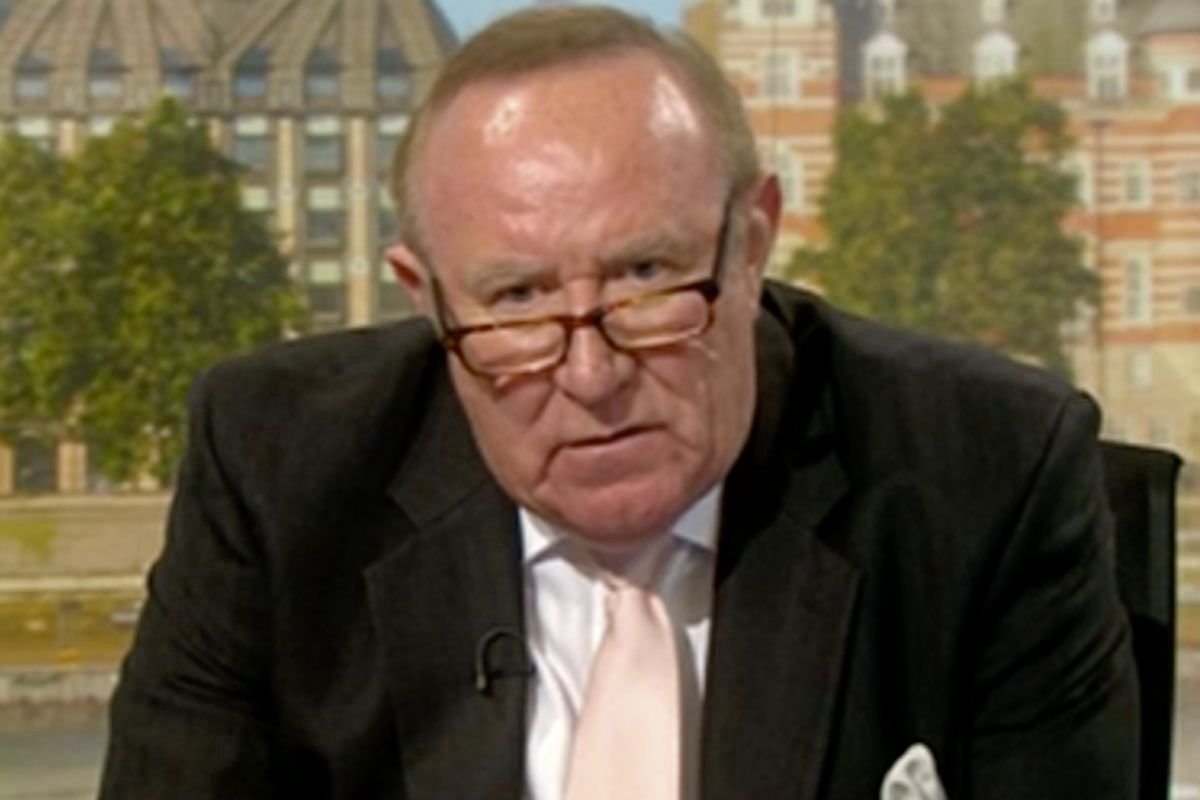
Andrew Neil(Image: BBC)
As well as the three leading parties, Election Maps UK put the Tories on 13 MSPs and the Lib Dems and the Greens on 10 each. The Nats would still fall well short of the 65 seats needed for a majority.
However, a deal with the Greens or the Lib Dems would ensure Mr Swinney was returned to the First Minister’s office for another five years – or however long he decides to stick it out, before handing over power to Stephen Flynn or another successor.
Under this scenario, even an anti-independence alliance involving Labour, Reform, the Tories and the Lib Dems would fall short of the numbers required. And in any case, the political reality is that they could never do a deal due to their ties to the Westminster parties.
The only bright spot would be the fact that on a percentage of the vote, the separatist parties still command a majority – 57% of the constituency vote and 60% of the regional vote.
This means that even with a pro-independence majority in Holyrood seats (67, between the SNP and the Greens), there is no majority among the electorate and the UK Government would be under no real pressure to consider granting another referendum.
So… as Andrew Neil says, with Holyrood stuck in stalemate and the Nats able to buy support by using the Barnett Formula to fund a ballooning benefits bill, the “continued decline of Scotland is inevitable”.
Content cannot be displayed without consent
Read more from the Scottish Daily Express. Click here for Scottish News, click here for Politics and click here to return to the Home Page.