
It is ten years since England penned a redemption story by following up their premature World Cup exit on home soil with a grand slam won in Paris. At the centre of that triumph were two flankers who could easily have had their England careers ended by the arrival of Eddie Jones.
The incoming England head coach had been disparaging of Chris Robshaw during the World Cup, describing the captain as a “good workmanlike player” who was outstanding at club level but lacked a point of difference to make an impact at Test level. James Haskell had spent the World Cup on the fringes of the squad, spending more time brandishing a selfie stick than smashing opponents.
Jones was happy to eat his words about Robshaw. One of his great coaching achievements as England built a run of 17 consecutive victories through 2016 and 2017 was turning a potential weakness into the team’s super-strength.
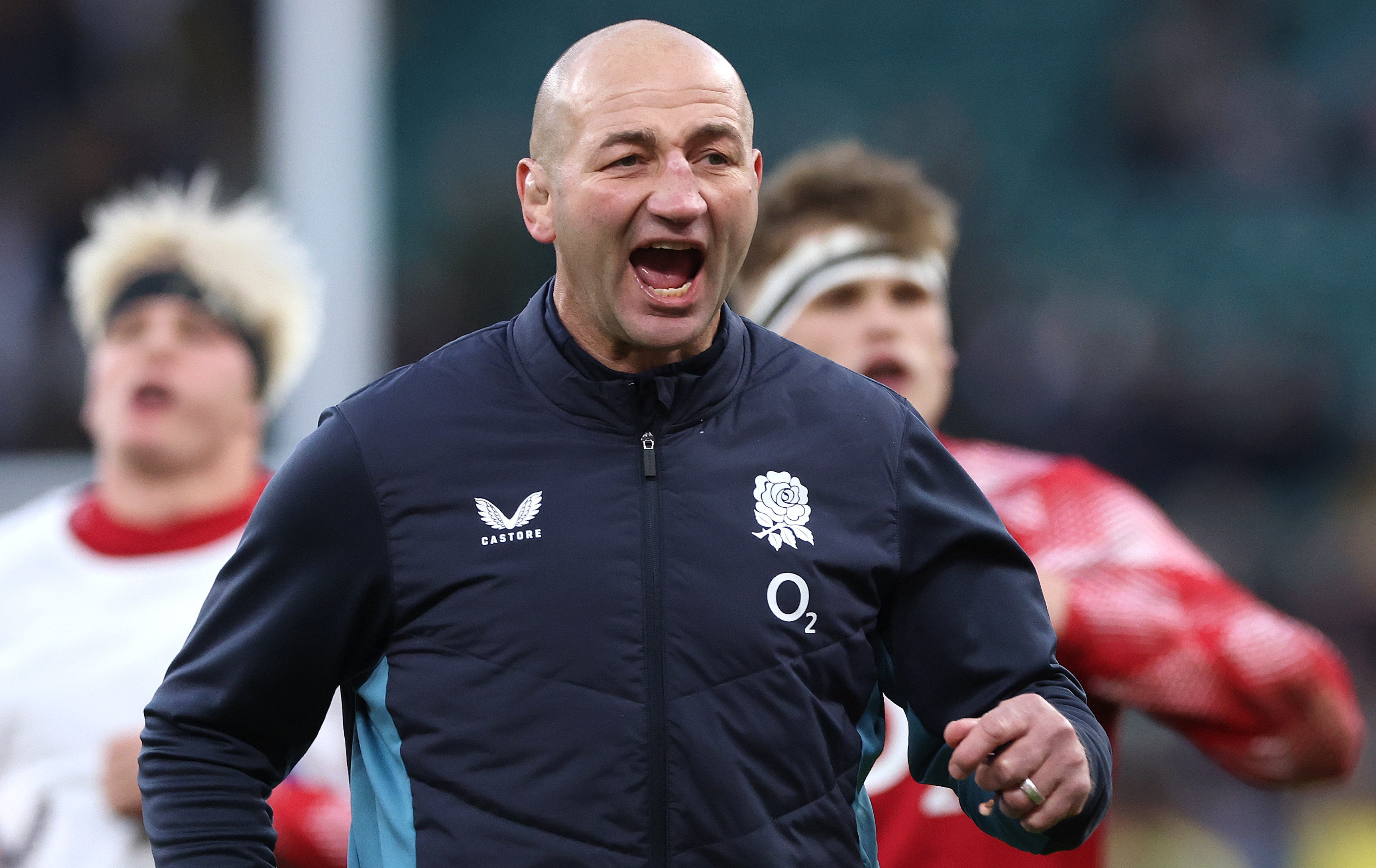
Borthwick must decide on the composition of a formidable-looking back row
DAVID ROGERS/GETTY
England were not blessed with back-row options at the time, certainly not when compared with the riches Steve Borthwick has at his disposal heading into this year’s Six Nations.
Jack Clifford was the only specialist back-rower on a 5-3 bench for that grand-slam campaign (although Maro Itoje and Courtney Lawes were both able to play No6 and provide a jackal threat), while Matt Kvesic was in the wider training squad. They were both more classical open-side flankers: fetchers, link men, quicker around the park and strong over the ball.
But Jones wanted warriors. He built the character of that first England team around Robshaw, Haskell and Billy Vunipola at No8, who together brought a bristling edge, a relentless work rate and a physicality that transformed the bullied into bullies.
The back-row trio were to the fore that night in Paris. Vunipola was man of the match. Haskell made more tackles than any other player. And Robshaw gave so much of himself that he could barely stand at the end of the game.
Afterwards Haskell poked fun at all those who had criticised England for not having a natural No7 by asking the kitman to print up jerseys for him and Robshaw with 6½ on the back. Jones made the very best of what he had.
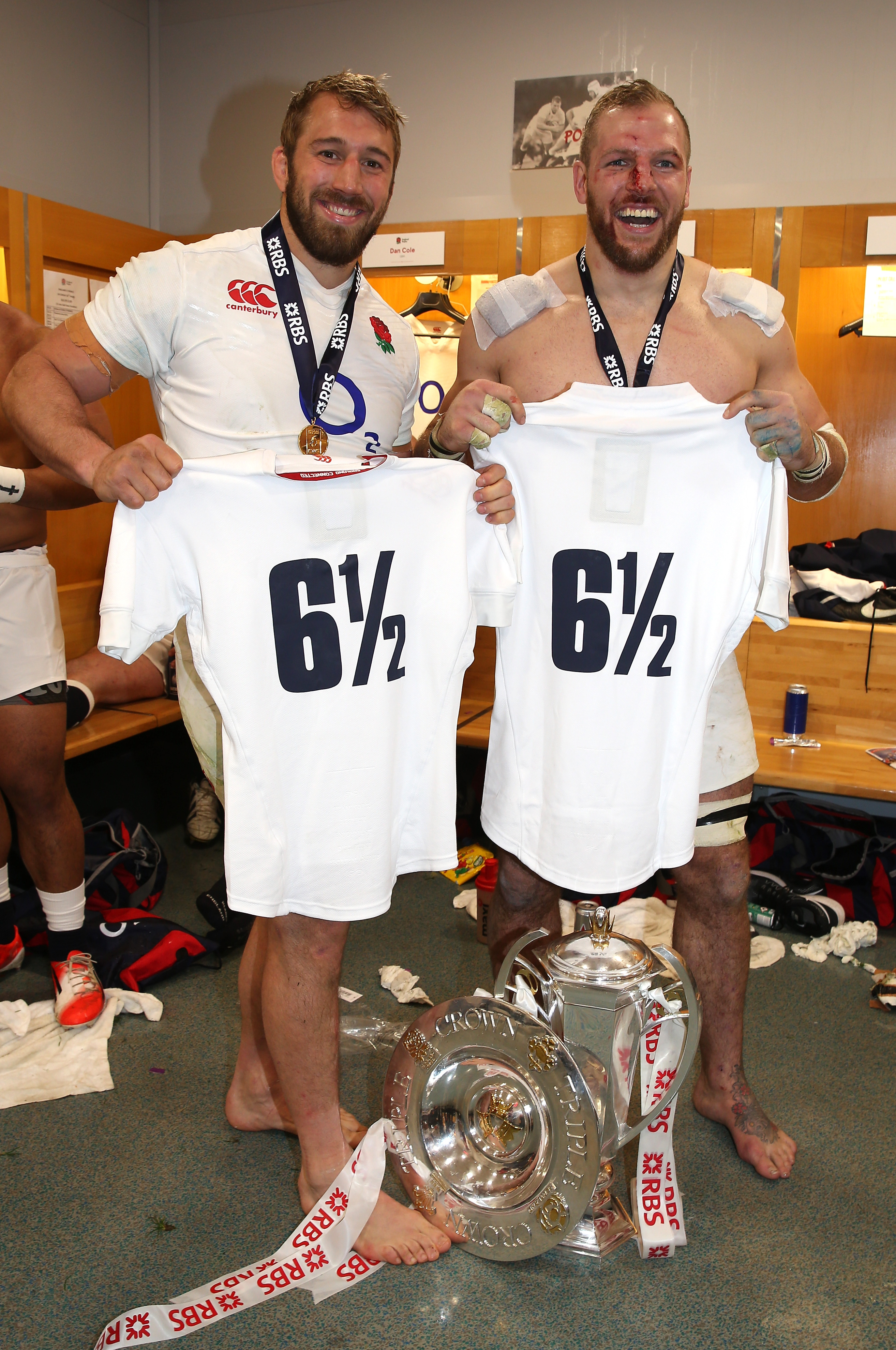
Robshaw and Haskell show off their specially printed jerseys after securing the grand slam in Paris in 2016
DAVID ROGERS/RFU/GETTY IMAGES
Ten years on, as England head into a Six Nations campaign that will again conclude in Paris, the character of the back row has changed. And so has the game, with the advent of 6-2 benches and loose forwards considered capable of covering back-line positions.
Borthwick does not at present have as many enforcers as Jones in his pack, particularly with George Martin injured and without a No8 of Vunipola’s profile, placing an emphasis on pace over power. But he has significantly more depth and an expanding variety of young options with which to balance the England back row.
For the big games in November, England started with Guy Pepper, Sam Underhill and Ben Earl, with Tom Curry and Henry Pollock sent on with half an hour remaining.
Pepper and Pollock were the breakthrough players of 2025. For Bath, Pepper is a turnover fiend on the open side — triggering comparisons from his coach, Johann van Graan, to the All Blacks great Richie McCaw — and a game-breaking ball-carrier.
His role with England was distinctly less glamorous, deployed as a workhorse on the blind side who would compete in the lineout and lead the defensive effort. He did it without ego and to enormous effect. Funny how the view of a 6½ has changed in a decade.
Courtney Lawes understands a thing or two about the role Pepper was asked to play, and he identified the 22-year-old as England’s player of the autumn series — which is quite some compliment given how Earl dominated the man-of-the-match awards.
Underhill and Curry — who emerged for England in 2017 as the successors to Haskell and Robshaw — deliver a concussive, one-two punch for England on the open side, allowing them to maintain their intensity in contact and at the breakdown for the full 80 minutes. Pollock’s introduction often means Earl shifts into midfield, allowing England to finish with four back-rowers on the field.
“The game has evolved,” Robshaw says. “Pollock is not far off a winger’s speed. And the game has changed because of it. You’ve got a different style of back-rower, a different balance of skills. The game constantly gets more skilful. The players have to be fitter.”
If England are missing anything in their back-row armoury, it is a specialist ball-carrying No8 who can blast his way through traffic, in the mould of Vunipola.
Tom Willis is best in class — arguably the best in Europe, as Toulouse discovered on Sunday — but he has rendered himself unavailable after deciding to leave Saracens for Bordeaux-Bégles next season.
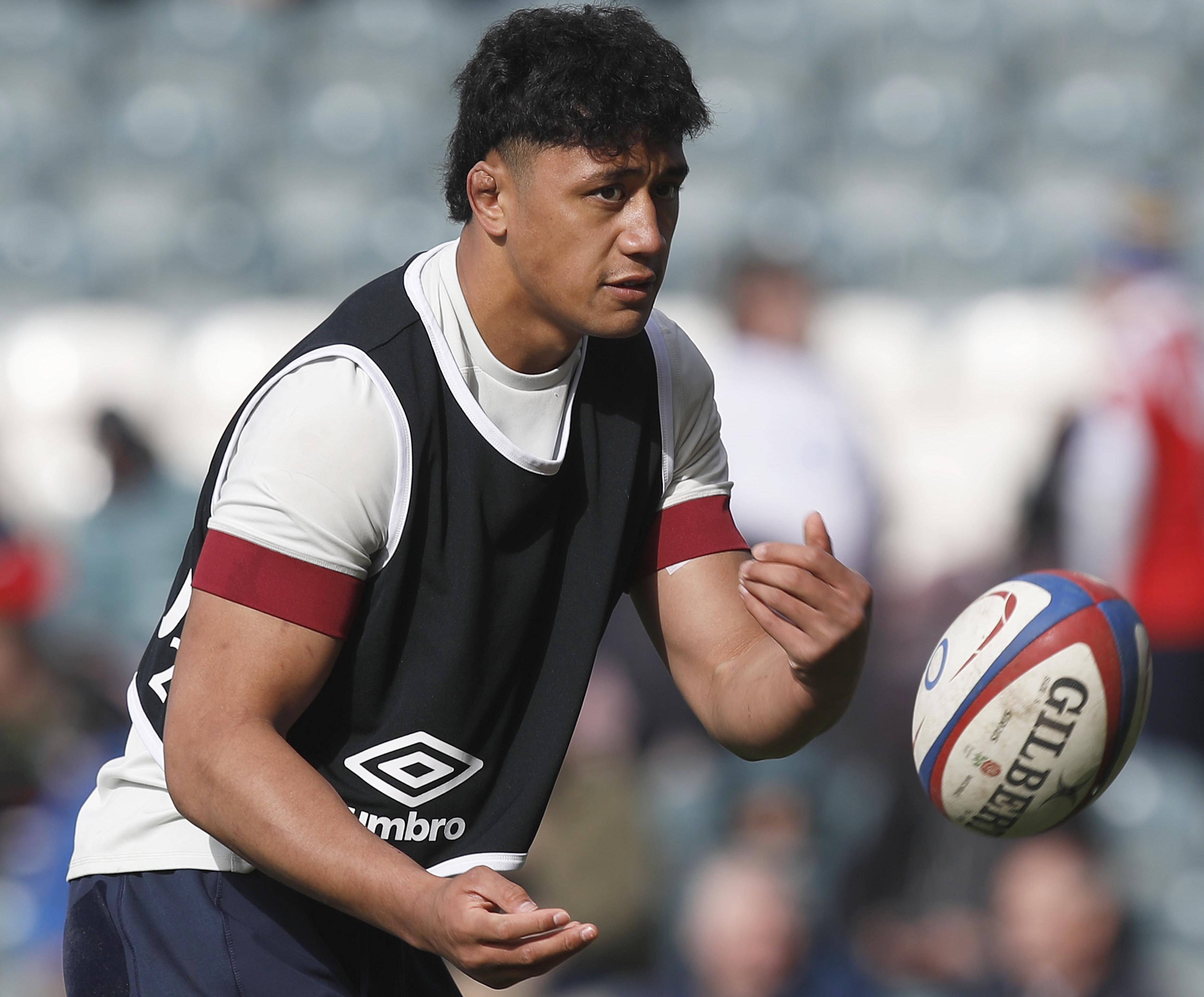
Fisilau is pushing for promotion after catching the eye at No8 for England A
STEVE BOND/SHUTTERSTOCK
Emeka Ilione, the uncapped Leicester Tigers loose forward, represents the next best option in that regard, plus he’s a beast over the ball, having played much of his recent club rugby at open-side flanker. A 7½, you might say, like Pollock and Earl. Ilione would have been involved in the autumn, had injury not intervened at the wrong time.
Greg Fisilau at Exeter Chiefs is back in the mix as a specialist No8, having filled out and taken a significant step forward this season. He has started the past two England A games at No8 and he fits the profile of a Borthwick back-rower.
Chandler Cunningham-South was utilised at No8 against Fiji and he is a useful, versatile option given he can also be deployed at blind-side flanker and lock. But there are concerns that he is developing into a flat-track bully, capable of delivering the occasional dominant performance but without enough consistency.
Ilione is 23. Pepper, Fisilau and Cunningham-South are 22. Pollock is 21. Coming up on the rails is Hoskins Sotutu, the former All Blacks No8, who is joining Newcastle Red Bulls and will qualify for England in November.
Sotutu, 27, will bring an explosive running threat in the open spaces, silky Kiwi handling skills and competition for Earl and Pollock. Right now, the No8 jersey is Earl’s. Good for Saracens, he is now routinely outstanding for England.
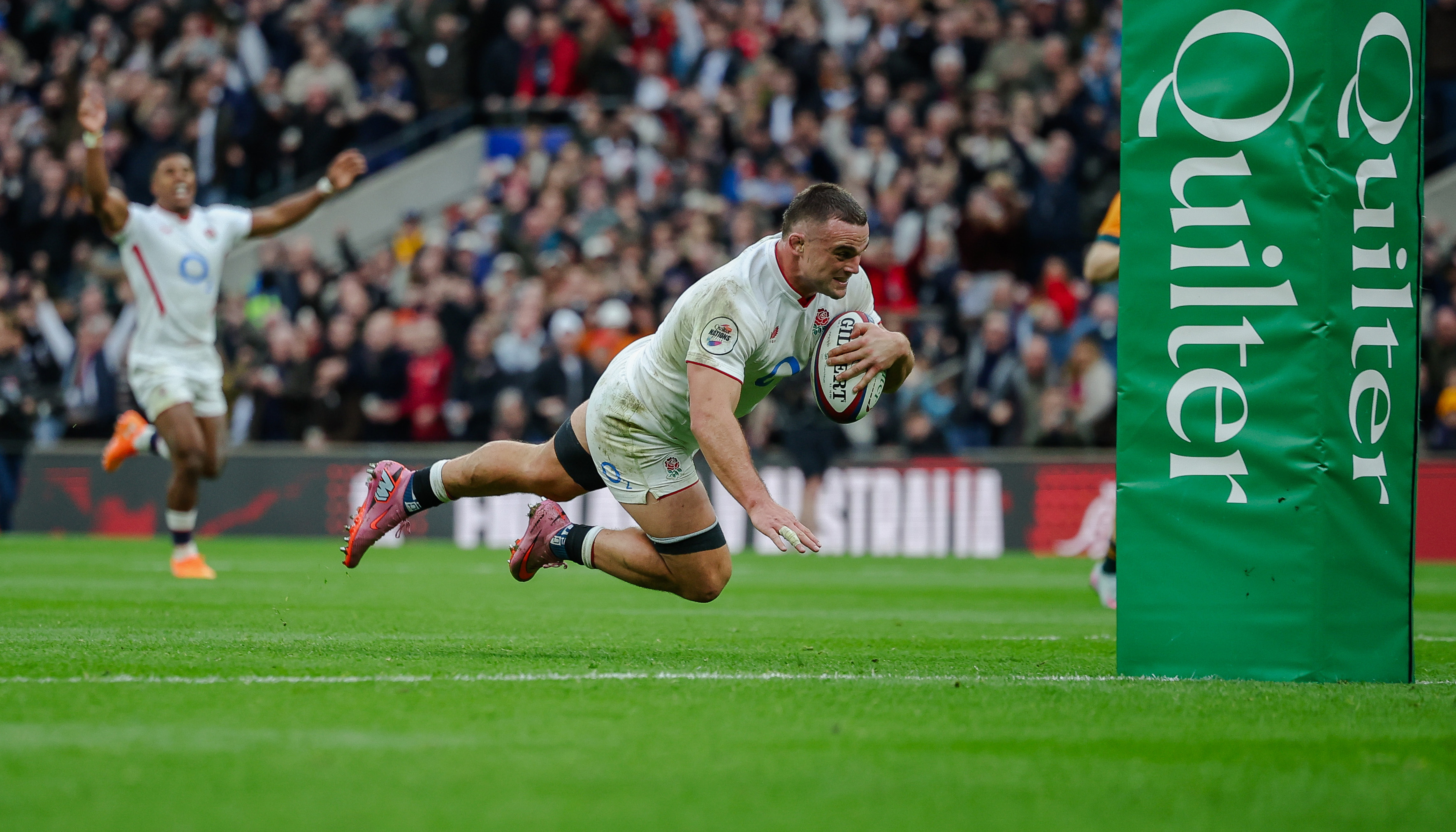
Earl was consistently one of England’s best performers across the Autumn Nations Series
TIMES PHOTOGRAPHER MARC ASPLAND
England’s use of the bench in the autumn reversed the trend from 2024, when they routinely fell away in the final quarter of matches and sacrificed winning positions. Borthwick addressed that with strategic use of the bench, including holding back Curry and Pollock. Ten years ago, Clifford’s longest appearance was 13 minutes. Now, England look to deploy five forwards together after 50 minutes.
“The biggest change in the game has been the bench,” Robshaw says.
There is little reason for England’s autumn quintet to change for the opening Six Nations game against Wales, unless Borthwick wants to engineer opportunities for Ilione or Fisilau.
Pollock is desperate to start for England at No7 or No8. That seems likely only if England can deploy more heavy artillery around him and therefore feels connected to Martin’s fitness. For now, he remains an ideal impact player. A finisher, as Jones termed it when he began to espouse a mindset, now commonplace, that rugby is a 23-man game.
Haskell and Robshaw fulfilled a specific role in that team, driving England to a grand slam before ceding their jerseys and the bone-shuddering responsibilities to Underhill and Curry for the 2019 World Cup.
England are already talking about the 2027 World Cup. They will only invest time and caps into players they believe will make the tournament in Australia. All of the aforementioned can. England have an embarrassment of riches in the back row, especially when compared with the grand slam vintage of 2016.