
Garry Trainer’s client book is bursting with famous names. Over the 40 years he has been practising his unique combination of osteopathy, acupuncture and massage, Trainer has treated the bodies of Paul McCartney, Kate Winslet, Eric Clapton, Brad Pitt, Robbie Williams and Bruce Springsteen. He has accompanied Depeche Mode on six world tours and worked with George Michael, “who became a very good friend”, for decades. Gwyneth Paltrow says Trainer is “often able to correct things no one else can” and Emma Thompson claims, “He’s much more than an osteopath — he’s a healer.”
Waiting lists for appointments with him at the Lanesborough Club & Spa in central London, the luxury Home Wellness centre in Primrose Hill, north London, or at his private clinic just outside Marlow, Buckinghamshire, are unsurprisingly lengthy. To see the youthful-looking 69-year-old therapist in person you would need to join the queue behind the dozens of elite athletes he sees to keep injuries at bay and slot in between his block bookings with Premier League football teams.
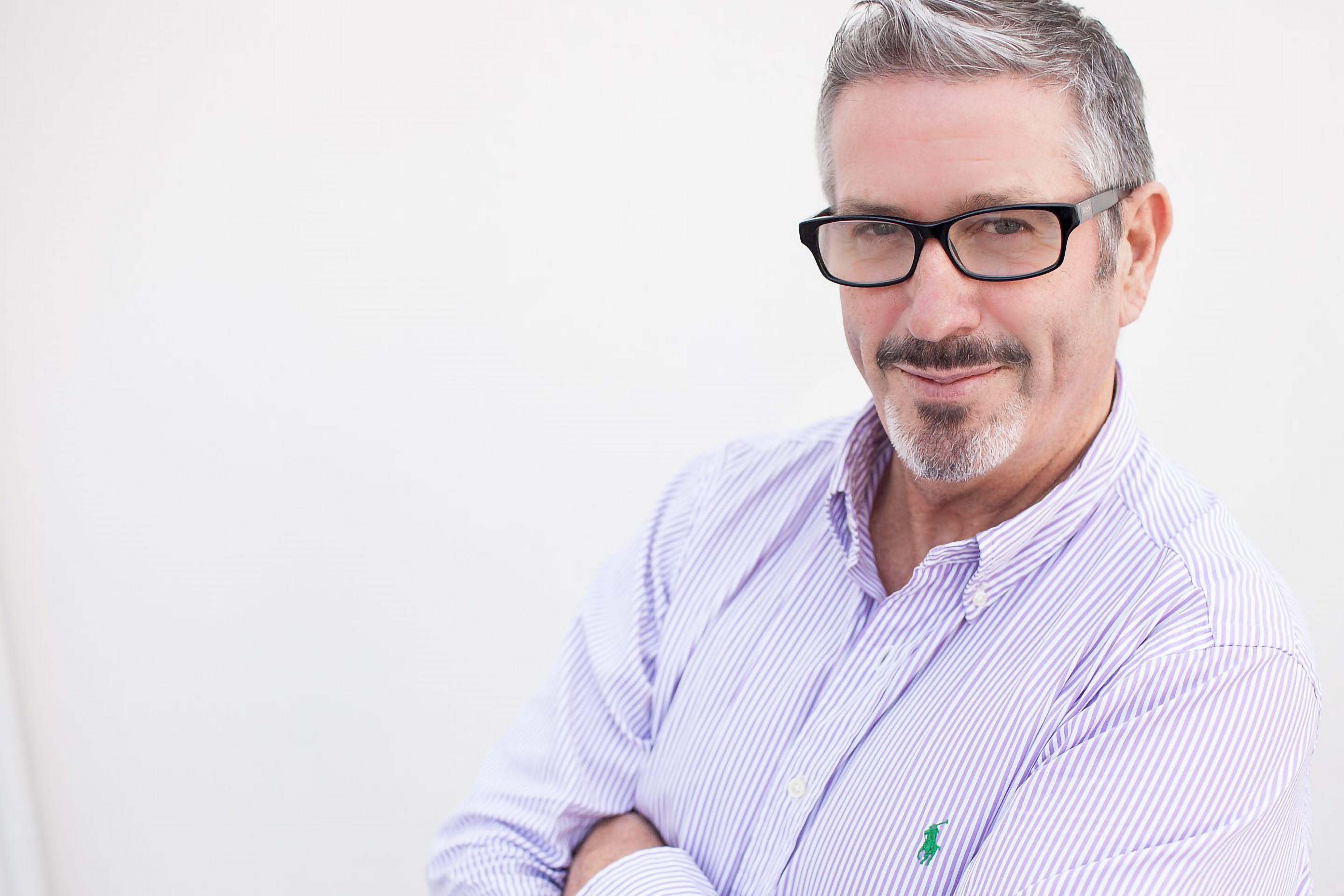
Garry Trainer has 40 years of clinical experience
Despite all this, Trainer has a distinctly back-to-basics approach to keeping the body in top condition. He is an advocate of low-cost prevention techniques and budget tools to keep the back healthy. And he believes that we need to take responsibility for our own backs with techniques we can practise at home. “Maintenance is so important as a strong back is less susceptible to pain and injury,” he says. “You need to work at keeping your back in shape, but it doesn’t have to involve complicated or expensive workouts or equipment.”
Stretching is key to keeping your spine mobile and the muscles that support the back flexible and he recommends flexing in four basic ways — bending forward, bending sideways, twisting round and bending backwards — every day. “Stretch whenever and wherever you can,” Trainer says. “You can stretch at your desk, in bed or even in the bath.” Most of the tools he recommends — to everyone, including his celeb clients — are under £10 and, used regularly, will help to keep your back free of tension.
Here are Trainer’s top five budget tools for maintaining a healthy back:
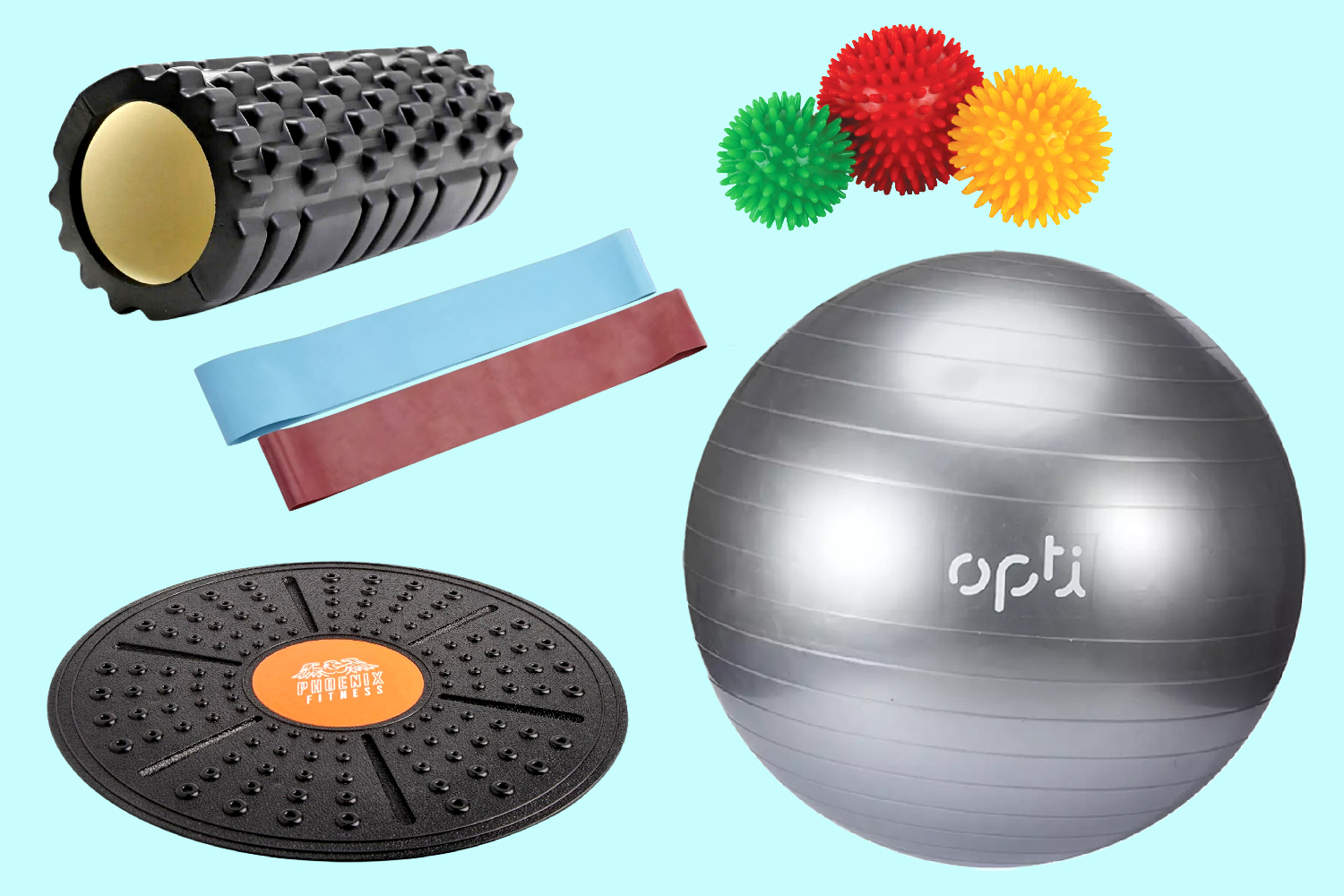
Clockwise from top left: foam roller, spiky massage balls, Swiss ball, wobble board and resistance bands
Spiky massage balls
From £3.24; physique.co.uk
These are excellent DIY massage tools as their hard surface releases tension and you can use your body weight to provide as much or as little compressive force as you need.
How to use them for best results
Stand with your back to a wall and place a spiky ball behind one shoulder. Slowly roll it from side to side and up and down the shoulder area for up to 90 seconds to find any sensitive area. You can also do this lying on the floor, with the ball beneath the shoulder blades.
For neck tension, hold the ball with the left hand to roll over your right upper trapezius muscle (where the neck slopes into your shoulder), then repeat on the other side. Do not massage any area if you feel underlying pain.
Swiss ball
From £6; argos.co.uk
A Swiss exercise ball is a hugely versatile accessory for back health. Because it provides a large, unstable surface any exercises you perform on it require engagement of the core muscles just to get stable before you start. It is these core muscles that support our spines, so using a Swiss ball to exercise on helps to prevent back pain in the long term. The ball is also a useful stretching device that can help to relieve tension in the back and upper shoulders after a day at your desk or in the car.
How to use it for best results
More or less any exercise you do on a stable surface such as the gym floor can also be done on a ball. I recommend starting with push-ups, placing hands on the ball, and crunches, lying with your back on the ball and feet flat on the floor. At the end of the day there is nothing better than draping your back over the ball, allowing your head to drop against the ball’s surface. Push your feet into the floor to roll the ball backwards for a more intense stretch. It is a great way to relieve muscular tension.
• My patients used to have back pain at 40. Now they’re in their 20s
Foam roller
From £6.99; northerngymequipment.com
The underlying principle of all physical therapy is to stimulate better blood circulation to an affected area. And a foam roller is a great way to do this yourself. With the pressure of your bodyweight on the roller you effectively squeeze out old blood and waste products from your tissues, allowing for fresh blood to flush in. Used on large muscle groups such as the glutes it can help to improve hip flexibility and allow a greater range of motion. If you don’t have a foam roller, any unyielding household implement, such as a rolling pin or a metal flask will achieve the same goal.
How to use it for best results
You can use a foam roller on your upper back with very light pressure, but it is best to target larger muscle groups such as the glutes, where tension from poor posture can be accumulated, raising the risk of back problems. Try sitting with your left glute on the roller. Place palms flat on the floor just behind your body and cross your left leg over your right knee. Inch yourself backwards and forwards to find release. Do this for a few minutes before changing sides. Foam rolling should never be painful so always stop if it hurts.
Wobble board
Phoenix Fitness Body Balance Board, £9.99, Amazon
I love these simple, unstable boards as they encourage muscles in your legs and core to work at keeping you upright. A basic wobble board provides a 360-degree tilt, which means you work hard to overcome imbalance.
How to use it for best results
If you have a bit of a sedentary lifestyle or work from home, just standing on one several times a day prevents the body from being stuck in one position. As you get stronger you can use the boards for exercises ranging from push-ups (place your hands on its surface) to single leg squats (stand on one foot on the board) to strengthen the core.
• Read more expert advice on healthy living, fitness and wellbeing
Resistance bands
From £4.99; decathlon.co.uk
These stretchy latex tubes or loops are indispensable in your fitness toolbox. You can purchase them individually for about £4 but I recommend a set of bands of varying resistance so that you have variety. They are useful in so many ways — they stretch muscles as they work against the tension of the rubber, provide stability during some exercises which helps to prevent injury and they add resistance by holding a muscle under tension to build strength.
How to use them for best results
For clients with back problems I recommend using the bands to stretch and strengthen the shoulder and upper back muscles. The pull-apart exercise is a great starting point and can be done standing or seated. It targets the upper back muscles and opens up the chest to improve posture. Hold a band with both hands at shoulder level and shoulder-width apart. Straighten your arms and pull the arms away from each other to stretch the band so that your shoulder blades squeeze together. Slowly return to the start position and repeat 10-12 times.