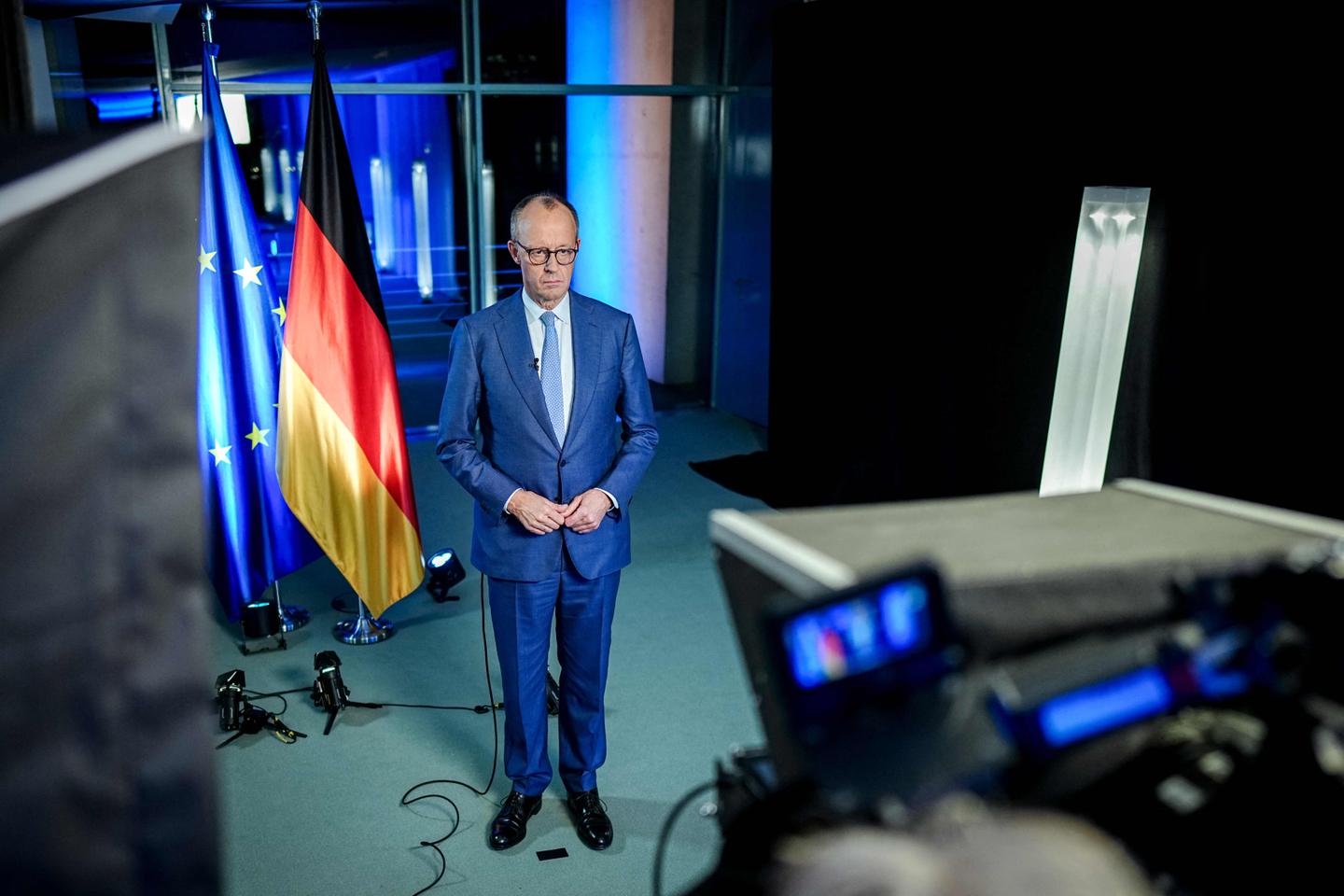
 Friedrich Merz, German chancellor, in Berlin, December 19, 2025. KAY NIETFELD/AFP
Fifteen years after the eurozone crisis, is Germany starting to doubt Europe? The rise of nationalist parties across the continent, four years of war in Ukraine with no tangible hope of a ceasefire, and the difficulties the 27 member states have faced in responding to Donald Trump’s repeated attacks have led to a sense of disbelief in Germany regarding the European Union’s (EU) ability to be more than just an economic area.
“There is growing skepticism about the European project,” said Franziska Brantner, co-president of the German Greens, adding, “When I defend it, people say to me: ‘Who do you want to build your Europe with? Giorgia Meloni is Eurosceptic; Hungary, Czechia, and Slovakia are as well. Emmanuel Macron has lost power, and France could shift to the far right in 2027.’ People are giving up on moving forward, especially in defense and security, because of the possibility that Marine Le Pen could be at the Elysée in 2027. If we keep letting Trump divide us like this, the end of the EU is possible.”
You have 82.43% of this article left to read. The rest is for subscribers only.