Keeping tabs on daily calories, nutrients, and activity is a way of life for many who swear it is an invaluable crutch for helping them shape up.
Statistics from Sport Ireland suggest that, even in 2021, more than half the population uses wearable technology to track their physical activities, although with the boom in tracking — global downloads of diet and fitness apps grew to 3.6bn worldwide last year — it is likely there has been another sizeable leap in their use since then. Apps and trackers are intended to guide us along the path to wellness, but research suggests that the outcomes of relying too heavily on advice from a diet or fitness app can be life-changing for all the wrong reasons.
 “Many health apps are still based on very crude metrics, which is concerning,” says Bondaronek. Picture: iStock
“Many health apps are still based on very crude metrics, which is concerning,” says Bondaronek.
 There is strong evidence that working out with others for moral support is the best way to stick with your fitness goals.
Sports psychologist Dearbhla McCullough says there is strong evidence that working out with others for moral support is the best way to stick with your fitness goals.
 There’s no evidence that macronutrient tracking offers greater long-term weight-loss benefits than calorie counting or other diet approaches. Picture: iStock
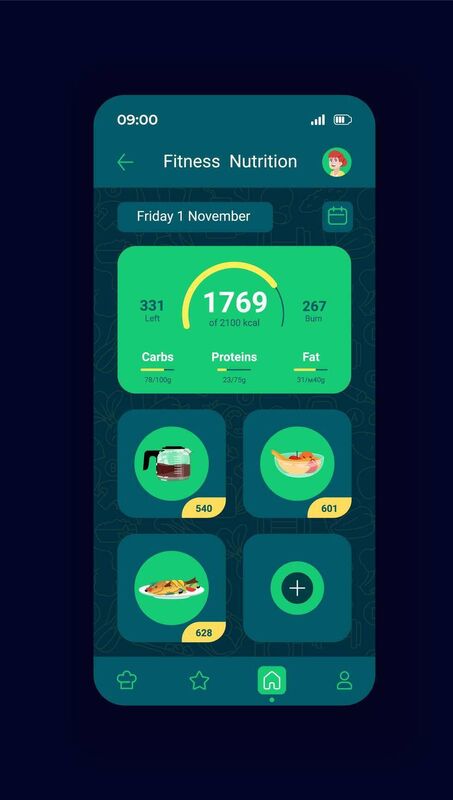
Some apps push tracking macronutrients — fat, carbs, and protein — rather than calories as a healthier route to weight loss with recommendations to increase the proportion of satiating protein to carbs. But Bondaronek found that this also led to unhealthy obsessions for many.
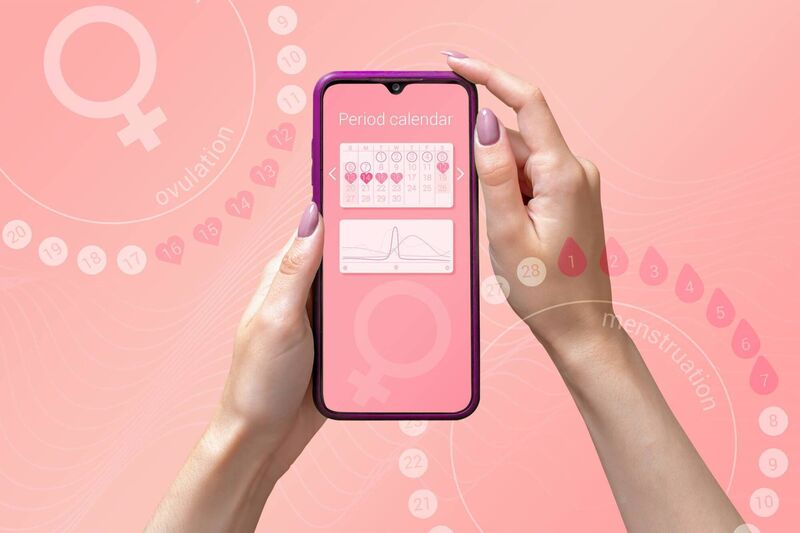 The scientific validity of some fertility apps has been called into question. Picture: iStock
Bondaronek’s next study focuses on the vast market for menstrual-tracking apps used by millions of women to log energy levels, symptoms such as cramps and cravings, and to track ovulation and fertility.
Most tracking apps work by women entering the date of their period, and a calendar-based algorithm predicts the start date of their next period, initially based on a 28-day cycle but using patterns and trends to learn about the user as they enter more information.
Some apps offer the option to add biometric data, such as daily body temperature, cervical mucus consistency, or hormone levels in urine.
However, Kirsty Elliot-Sale, a professor of female endocrinology and exercise physiology at Manchester Metropolitan University, says they are pointless.
“If you use a urine test to predict ovulation, then you know when you are ovulating and don’t need to pay for an app on top,” she says.
“The app is just a way to house the data you get from these tests.”
The scientific validity of some fertility apps has been called into question. Researchers have shown that apps promising to predict a user’s ovulation date, usually 14 days after their period starts, “have been proven to be ineffective, with a 21% maximum probability of it being correct”.
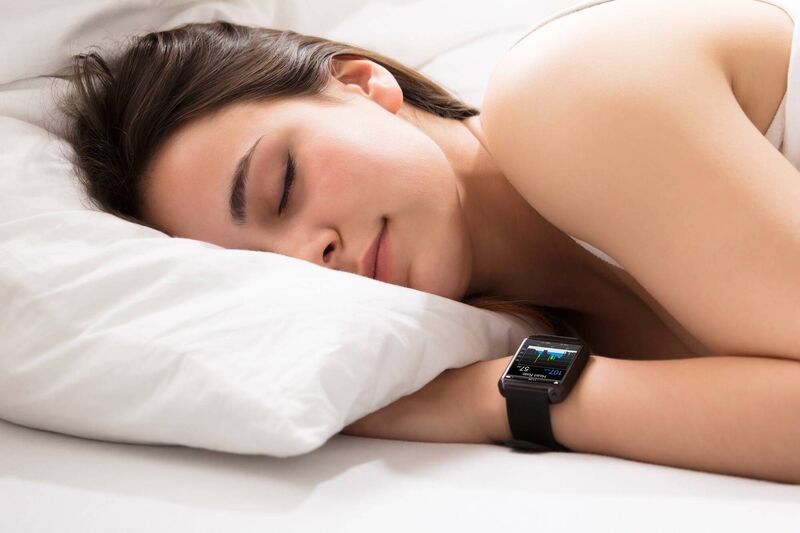 For some, obsessing over the data leads to an unhealthy preoccupation with hitting sleep targets
Sleep trackers mostly use sound, heart rate, and movement to estimate sleep phases and to provide a score.