When Princess Irene of Greece was awarded more than half a million pounds in compensation by the European Court of Human Rights for property confiscated by the Greek government from her family, she responded in a manner that surprised no one who knew her well. The money was quietly given away in its entirety to charitable causes and then forgotten about.
Born a princess of the House of Glücksburg, the same European dynasty as Prince Philip, she had long been indifferent to possessions, sceptical of entitlement and instinctively drawn to the belief that privilege carried obligations rather than rewards. In this, as in much else, she lived according to a private code that owed little to convention and nothing at all to display.
Her early years were shaped not only by war and exile but by the moral complications that haunted other European royal families of the period. The Glücksburgs, like other German dynasties, included members who supported the Nazi movement. This legacy inevitably coloured historical assessments of the family as a whole. Irene herself was a child during the war, and as an adult she distanced herself from dynastic politics and political ideologies.
When the Greek monarchy was overthrown in 1967, the princess left her country without seeking a public role as a symbol of loss, nor did she ever indulge in grievance or nostalgia. A friend later remarked that she “regarded exile not as a personal injustice but as a circumstance to be borne with dignity and, if possible, put to good use”.

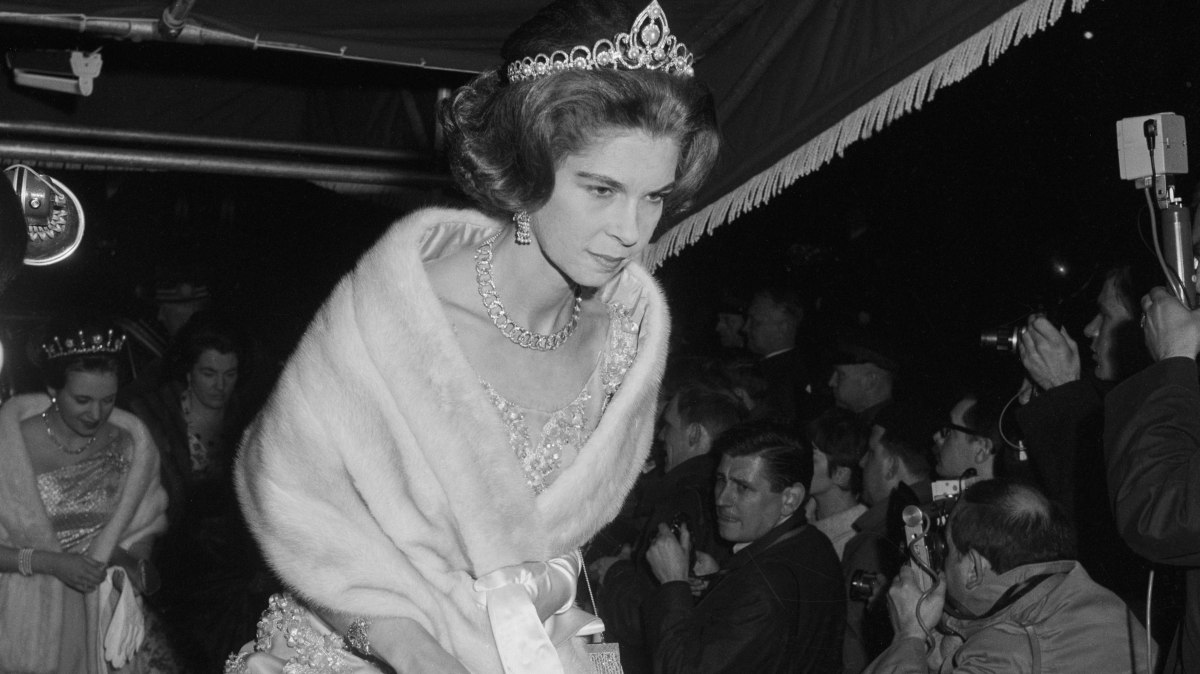
In 1963; she was linked to royals across Europe but never married
REPORTERS ASSOCIES/GAMMA-RAPHO/GETTY IMAGES
Although born into one of Europe’s most prominent royal houses, she consistently resisted public definition, even when her gifts briefly brought her into public view, as they did in 1969, when she appeared as a concert pianist at London’s Royal Festival Hall. Her skills as a musician might have easily seen her become a full-time concert pianist, but that was not to be.
That same reserve marked her private life. In a royal family where marriage was long regarded as an obligation as much as a personal desire, Irene chose a different path, remaining unmarried and refusing to offer a reason. She was at various times the subject of discreet dynastic speculation.
Among those occasionally mentioned as possible suitors was Prince Michel d’Orléans, Count of Évreux, a son of Henri, Count of Paris, the Orléanist claimant to the French throne, but no attachment was ever formalised. It was rumoured that she had also been singled out to become Queen of Norway.
Born in Cape Town in 1942, when Greece was under Axis occupation and the royal family was in exile, she entered a world far from the royal palaces of Greece, in circumstances shaped by displacement and uncertainty. Her parents, the future King Paul and Queen Frederica, maintained a disciplined household during the war years, conscious that exile must not become indulgence.
Following a 1946 plebiscite that restored the monarchy, the family returned to Greece. Irene grew up thereafter in Athens and at the royal summer palace of Tatoi. In 1967 she went into permanent exile with her family.
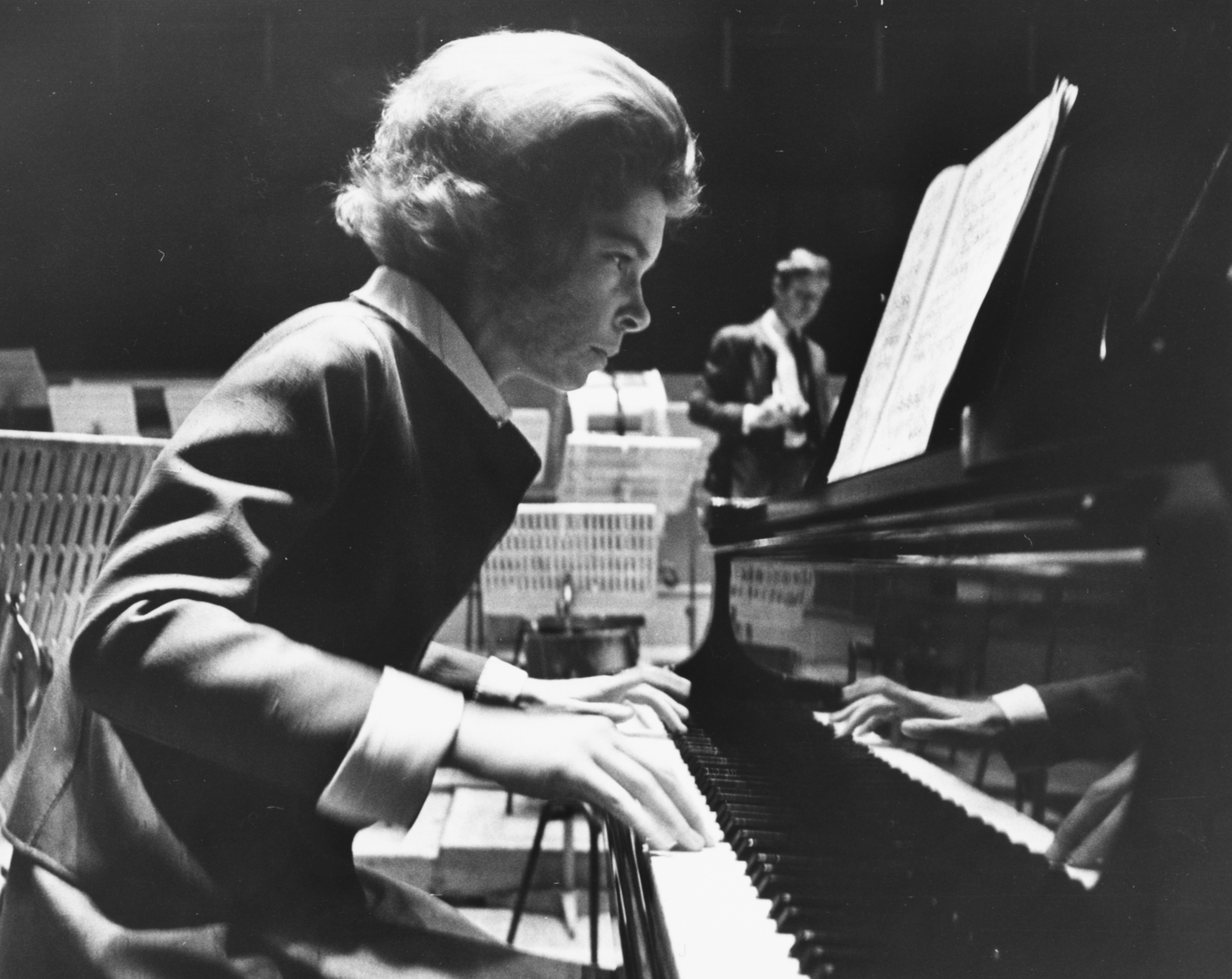
Rehearsing at the Royal Festival Hall for her performance in 1969
CENTRAL PRESS/HULTON ARCHIVE/GETTY IMAGES
Her education reflected both the unsettled circumstances of her childhood and her parents’ belief that seriousness of mind should compensate for instability. Educated privately in Greece and at school in Germany, she proved an able, if unshowy, student, with a particular aptitude for languages and a growing interest in philosophy and religion.
The youngest of three siblings, she was closest to her brother, Constantine, with whom she shared a strong bond. She exercised a quiet influence within the family, offering counsel rather than opinion, and displaying an emotional steadiness that contrasted with the pressures placed upon her brother once he ascended the throne.
By early adulthood, it was clear that she did not intend to assume a public role solely based on her rank. While fulfilling family obligations when required, she showed little interest in ceremonial prominence and resisted being drawn into the social life characteristic of royals in exile.
She gravitated towards work that offered direct engagement and practical purpose, often out of view. Her first sustained commitments were to humanitarian causes, including work with the Red Cross and related organisations, which brought her into contact with refugees, displaced persons and communities affected by conflict or poverty.
The final collapse of the Greek monarchy in 1967 sharpened the contrast between Irene’s path and her brother’s. Constantine’s life in exile became unavoidably public and contested, marked by litigation, interviews and continuing argument over legitimacy and historical judgment. Irene, by contrast, stepped quietly aside. Loyal to her family, she did not act as an adjunct to her brother’s cause, nor did she attempt to interpret events on his behalf.
In later years, she lived quietly, dividing her time between Spain and India, where she studied philosophy with the distinguished Indian scholar TMP Mahadevan. She remained close to her family, particularly to her sister, Queen Sofía of Spain. To her nieces and nephews, she was known as Aunt Pecu, a term of endearment that reflected her independent spirit.
Her humanitarian interests, once established, did not diminish with time. She continued to support charitable work, remaining engaged with questions of displacement and social marginalisation long before such causes had attracted fashionable attention.
Those who encountered her in adolescence recalled a young woman who listened more than she spoke, wary of superficial small talk. Learning, like music, mattered to her less as display than as a means of ordering thought and attention.
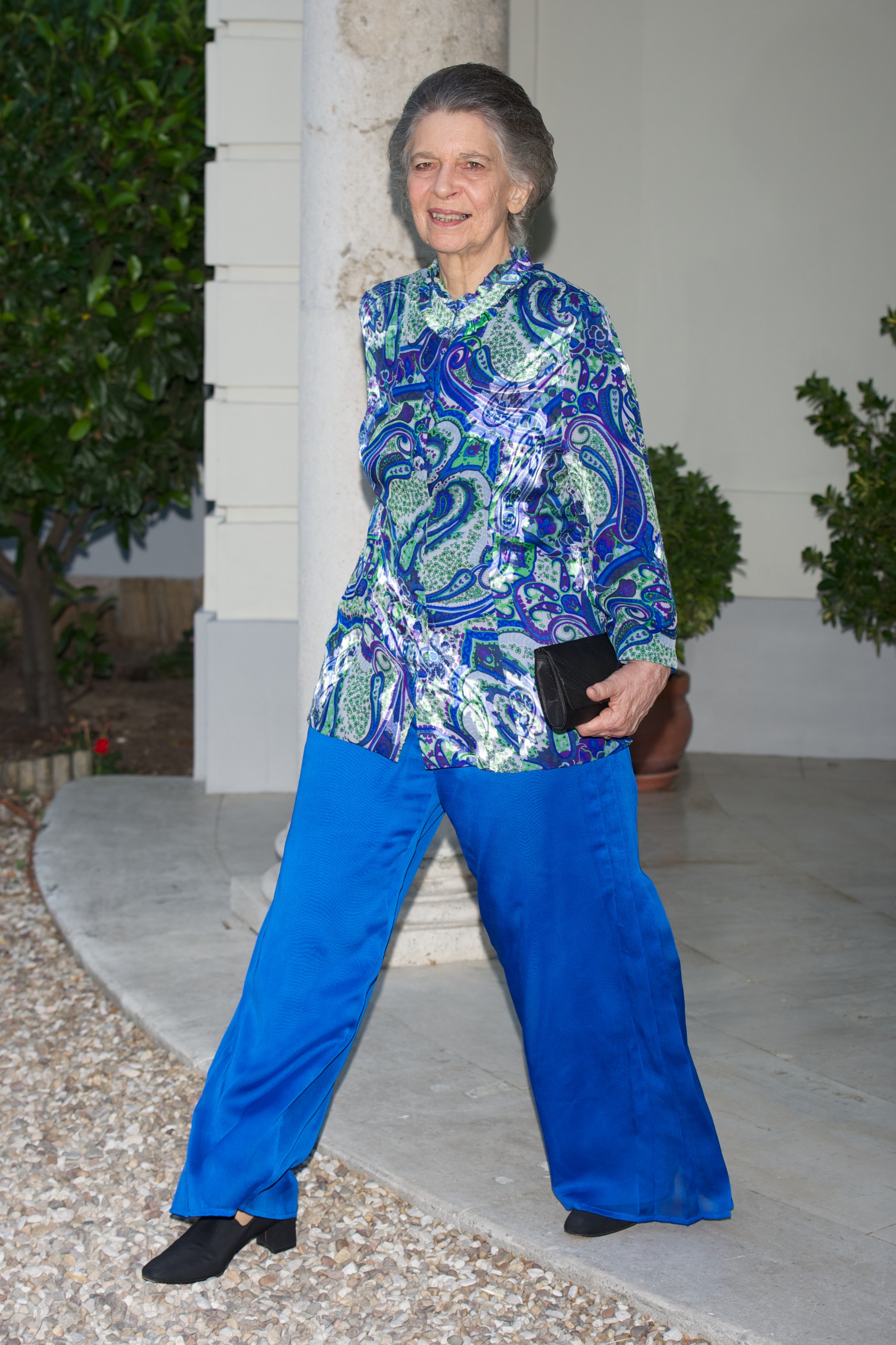
Irene in 2014. She spent much of her later life in Spain with her sister, Queen Sofía
CARLOS ALVAREZ/GETTY IMAGES
If she avoided prominence, it was not from shyness but from conviction. She believed that usefulness required a degree of anonymity and that service lost authority when it demanded recognition. Her life was shaped by upheaval, which made her sceptical of permanence and inclined to define worth in ethical rather than institutional terms.
Her brother, King Constantine II, had predeceased her (obituary, January 11, 2023). She is survived by Queen Sofía, by her nephew, King Felipe VI of Spain, by her second cousin King Charles, and by members of the Greek royal family, including Crown Prince Pavlos of Greece.
Her life was marked neither by dramatic intervention nor by public conflict, but by steadiness, conscience and restraint. In an age that rewarded visibility, she chose marginality; in a family accustomed to ceremony, she preferred service. It was a quiet choice, sustained over decades, and it is there that her distinction ultimately lay.
Princess Irene of Greece was born on May 11, 1942. She died following a cognitive illness on January 15, 2026, aged 83