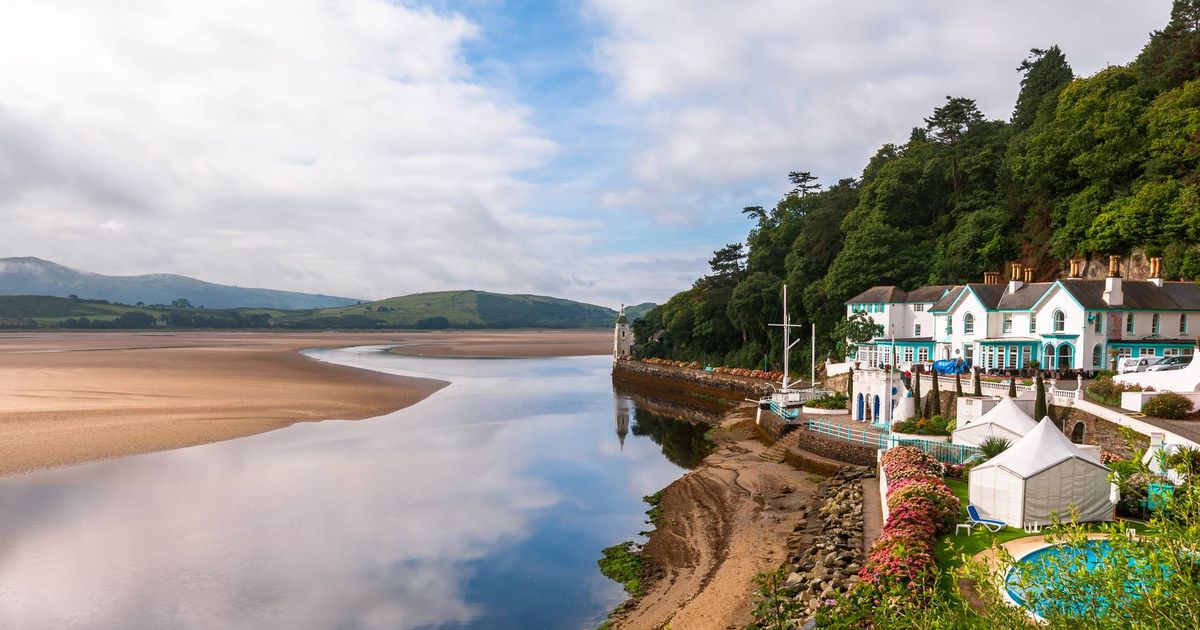
A corner of Italy on the coast of Snowdonia, here visitors will find pastel-washed buildings, a private beach and subtropical gardens
07:23, 17 Jan 2026Updated 08:16, 17 Jan 2026
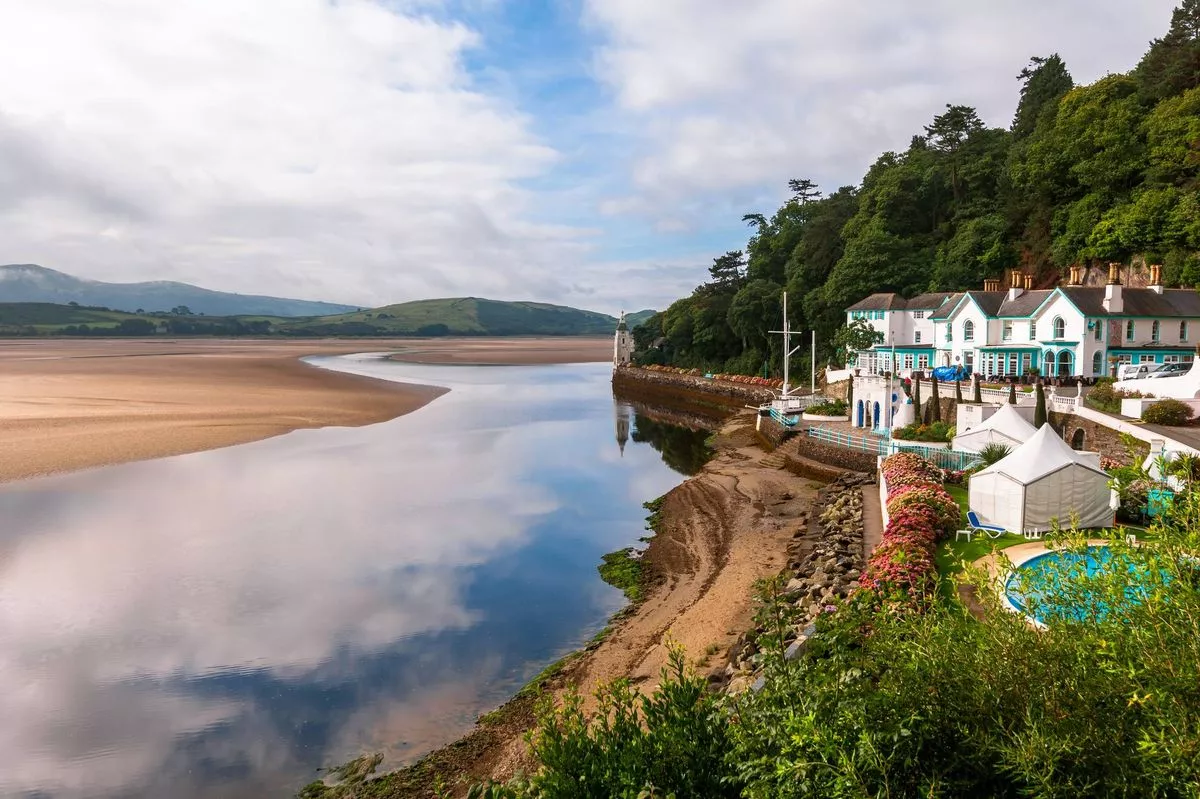
The fringes of the village overlooking the water(Image: )
Backdropped by the rolling hills of Eryri and sitting on a cliff side overlooking the tidal estuary where the River Dwyryd meets the sea is one of the UK’s most unique villages.
This slice of Italian Riviera in rural Wales is known as Portmeirion, a folly tourist village that was built over a 50-year period by Welsh architect Sir Clough Williams-Ellis between 1925 and 1975. Though its architect denied claims that the design was based on the fishing village of Portofino, he did state that he wanted to pay tribute to the atmosphere of the Mediterranean.
The concept of a tightly grouped coastal village had been envisaged by Clough Williams-Ellis years before he found the site, close to his own home in North Wales, on which he managed to realise his dream.
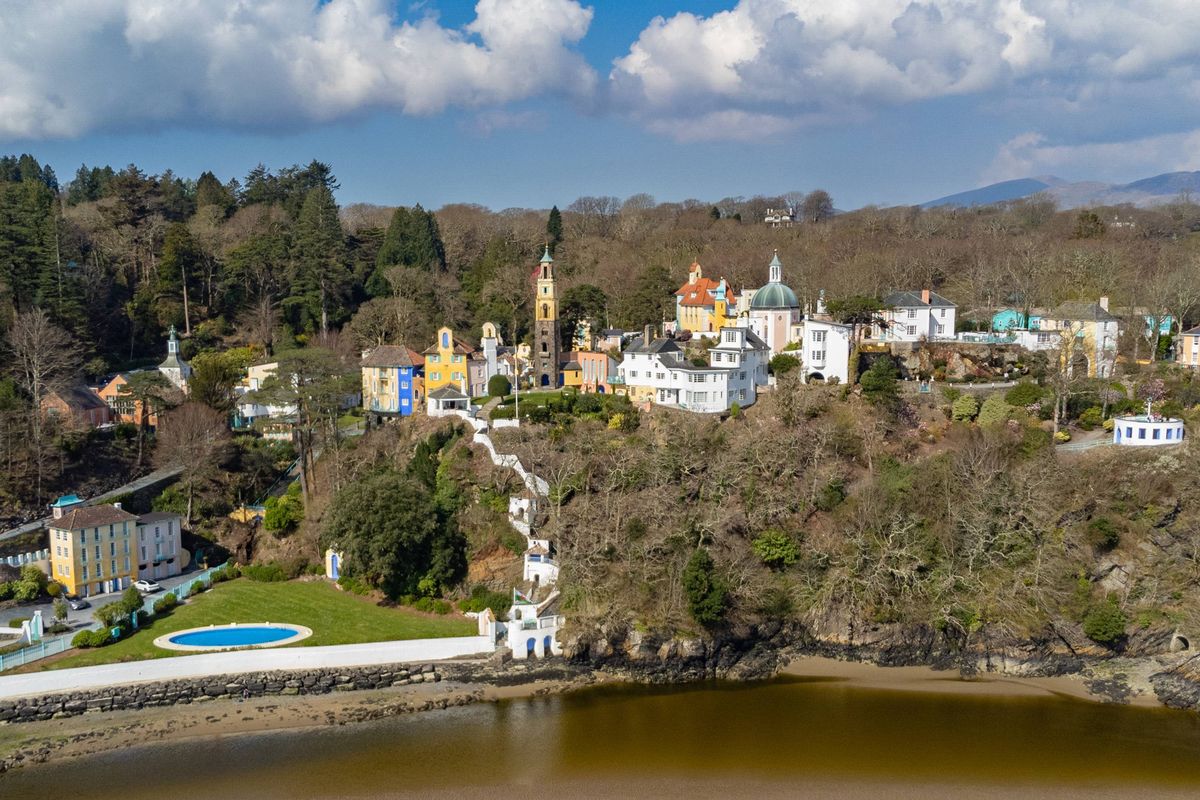
The village, known for its playful architecture and subtropical gardens, is celebrating its 100th anniversary this year(Image: Chris Hepburn/Getty Images)
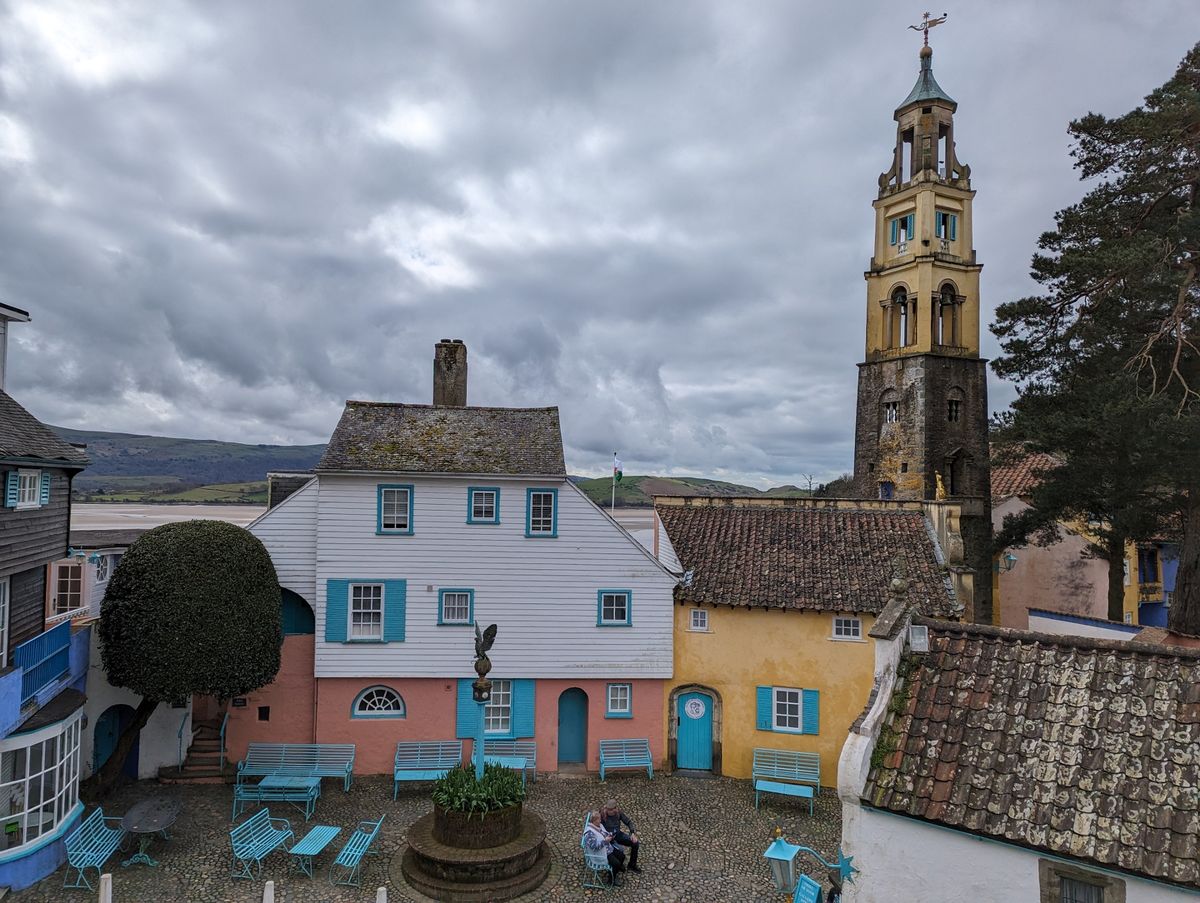
To bring his vision to life, endangered buildings and unwanted artefacts from across the globe were transported and rebuilt to create covered, open-sides corridors, roofed porches and tiny terracotta-roofed houses, painted in bold and bright hues.
To this day, its pastel-washed buildings, a piazza and sub-tropical gardens are just some of the distinctive features that make this North Wales bolthole one of Wales’ most popular tourist destinations.
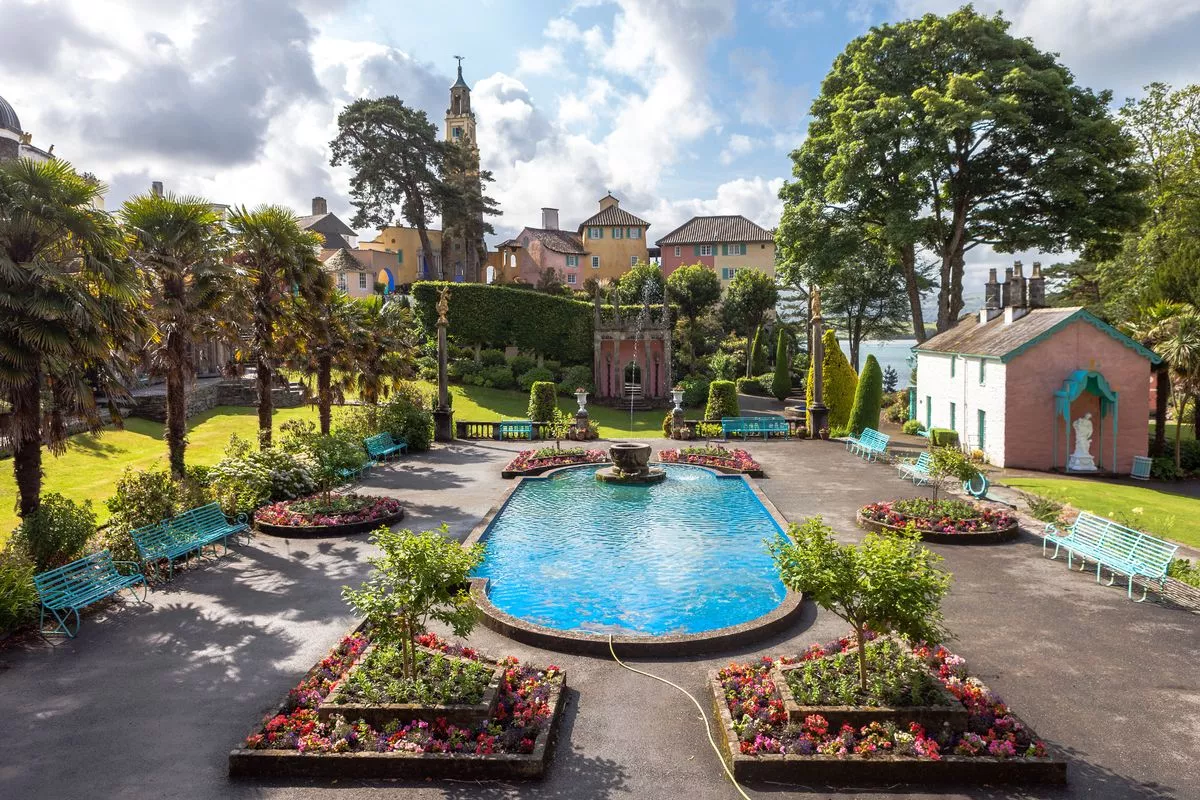
You’ll want to visit this amazing UK town(Image: Getty Images/iStockphoto)
Recently named one of the best places to visit in the UK in 2026, this whimsical seaside escape encompasses dozens of enchanting quirks – from a giant chess board and Gothic pavilion to its quirky gift shop selling memorabilia from cult 1960s TV show, The Prisoner. It is also home to extensive woodlands, its own beach, a gelato parlour, Mediterranean-styled cafes and restaurants, shops and two hotels.
As well as its appearance as ‘The Village’ in the hit series which starred Patrick McGoohan, it also doubled up as a Renaissance-era Italy for four episodes of Doctor Who in 1976.
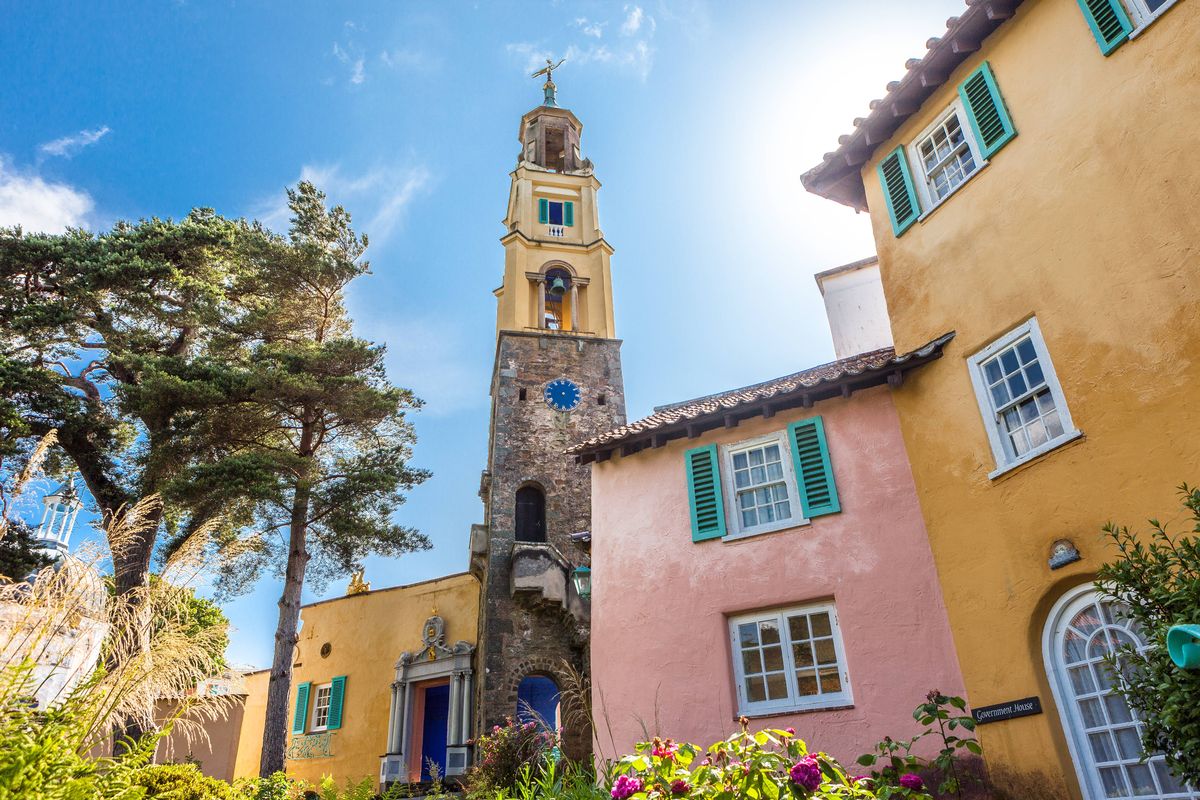
Gorgeous Italian-inspired Welsh village named best costal destination in UK(Image: Edward Haylan via Getty Images)
Due to its prominence and unique nature, many buildings within Portmeirion are also listed by the Welsh historic environment service for their architectural and historical relevance, including a statue of Buddha that was created as a film prop for 1958 movie Inn of the Sixth Happiness.
Also listed is the 1850s Portmeirion Hotel – formerly known as the mansion of Aber Iâ and started the focus for Portmeirion, and The Pantheon building, built in 1961, which features a large octagonal dome and a Gothic-style porch.
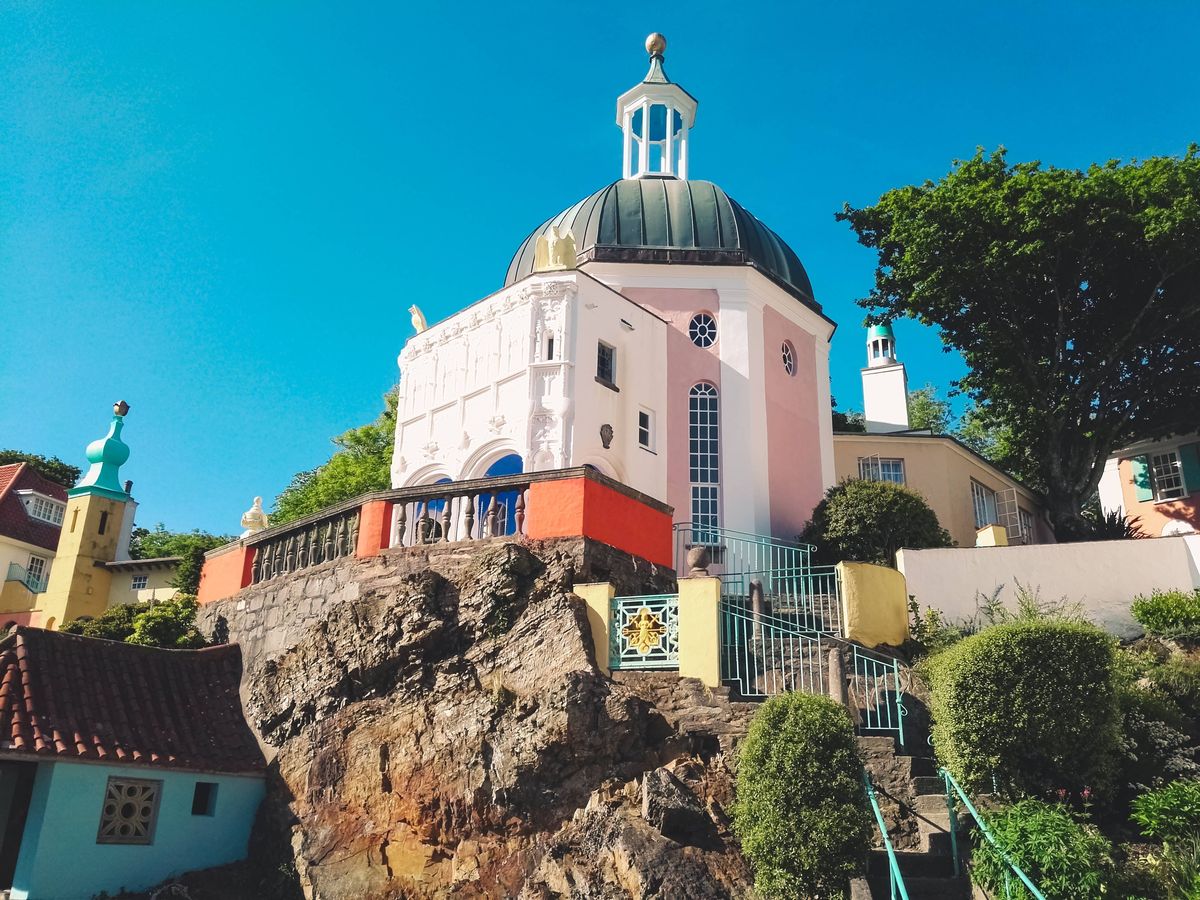
View of Portmeirion(Image: nyxmedia via Getty Images)
Beyond its enchanting and quirky architecture and design, Portmeirion is also home to a subtropical forest. Known as The Gwyllt, which means Wildwood in Welsh, it boasts some of Britain’s largest trees, secret gardens, a derelict castle and rare flowers.
70 acres of exotic woodlands ensue with 19 miles of pathways, which cut through forests, tucked away spaces and costal coves. There’s also a Japanese Garden with a pagoda and lily-covered lake within.
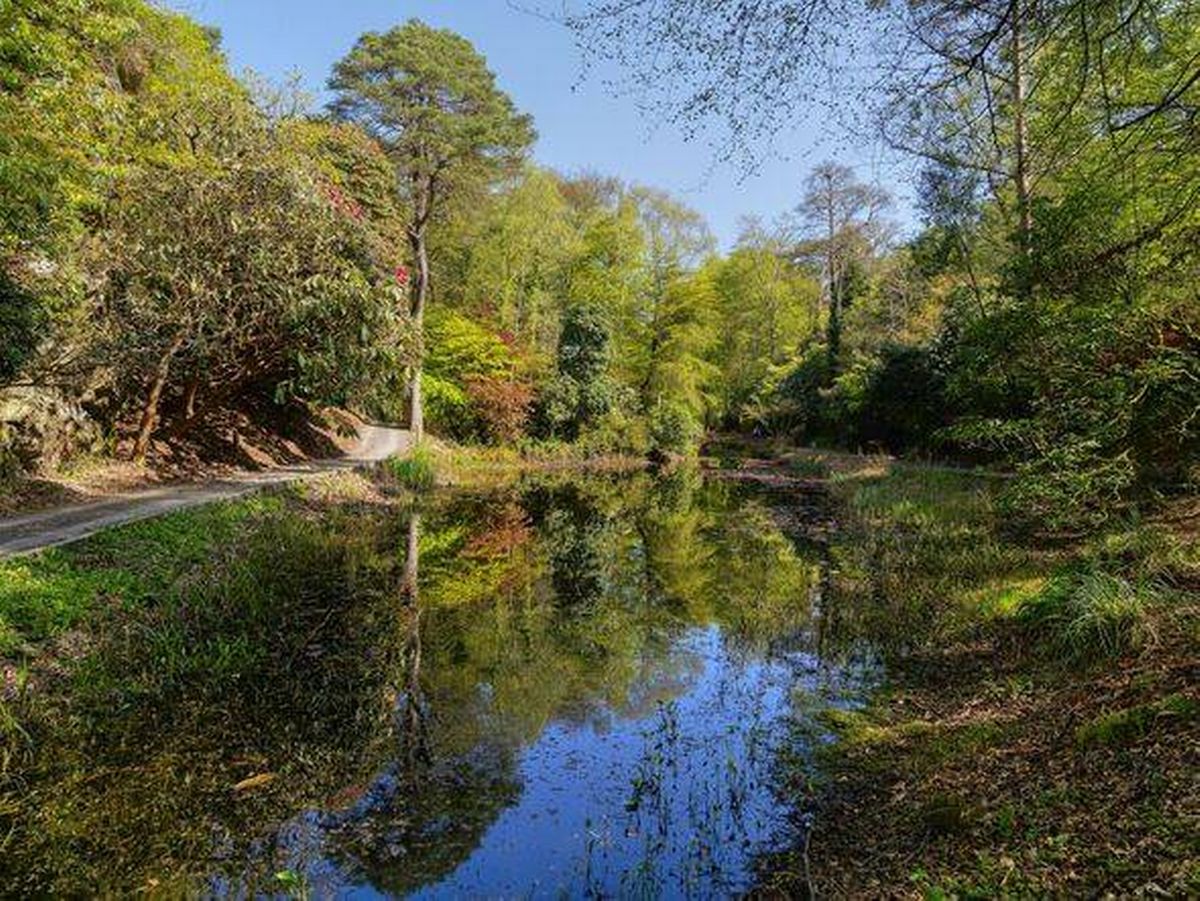
Portmeirion village has some gorgeous walking trails too(Image: Getty)
Of course, one of the major advantages of the village’s location is its proximity to the sea. Visitors can explore the white sandy beaches of the estuary, venturing to hidden caves and gullies along the way. A trip to the seaside wouldn’t be complete, so a stop-off at the aforementioned Angel Ices Gelateria is a must.
Those wanting to explore the coastline are reminded to be careful walking across the sands. It is dangerous on an incoming tide and high tide times are displayed on all admission tickets. The area of sand closest to the village is safe and allows you to soak up the all vistas.
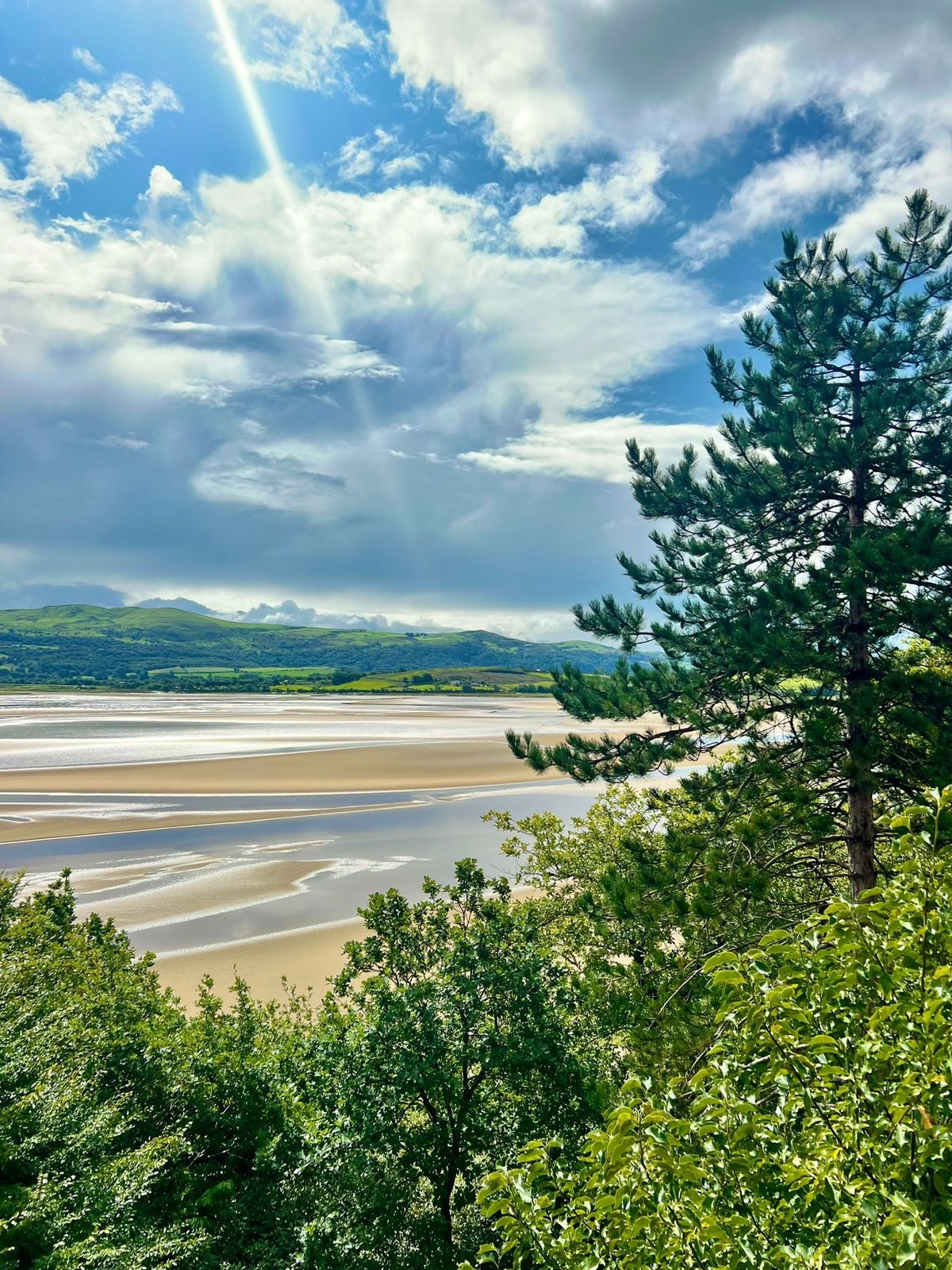
Views over he estuary of the River Dwyryd(Image: Liverpool ECHO)
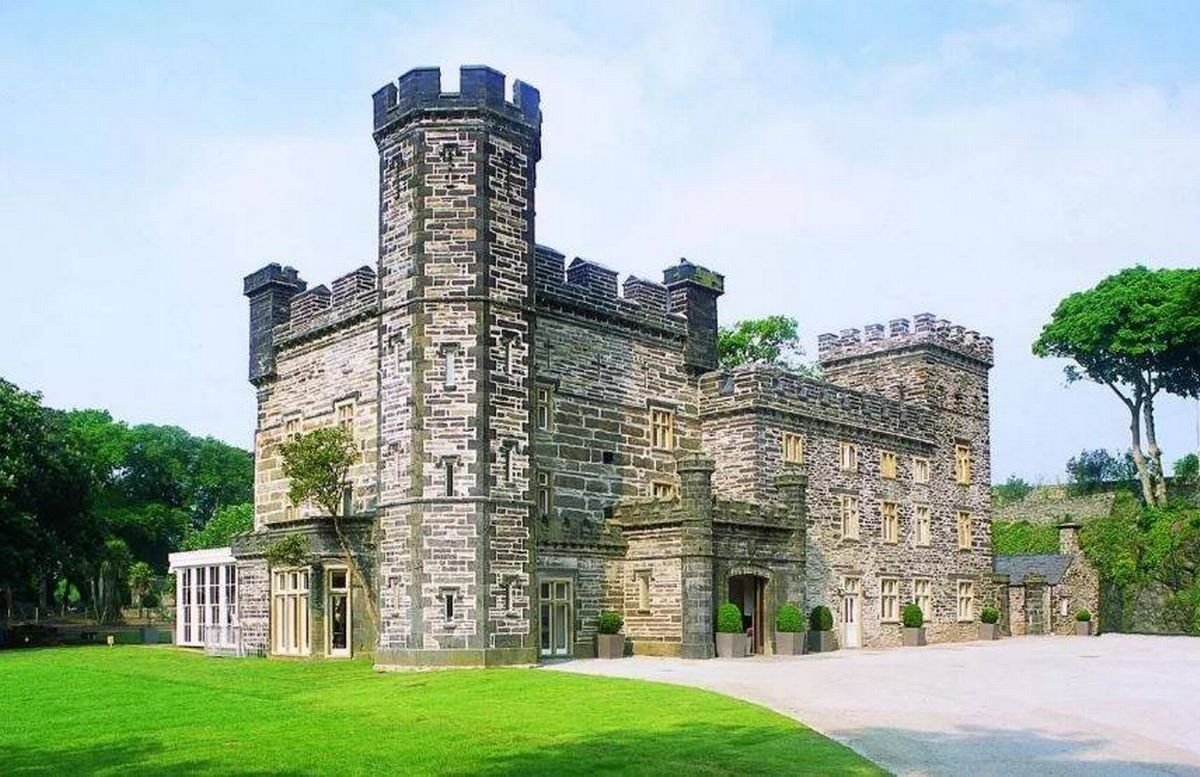
There’s a range of accommodation within the village including The Hotel Portmeirion, which opened in 1926 and was once described as one of the ‘most picturesque’ of all the summer residences on the coast of Wales. There’s also Castle Deudraeth, an early Victorian castellated mansion with 11 contemporary rooms, two main dining areas, a bar, and a walled garden.
The village also has 32 services rooms with view of the piazza and sea; self catering cottages with access to the hotel facilities, pool and restaurants and bars; and the motorhome park with five-star facilities.
(Image: Manchester Family/MEN)
Places to eat and drink include the dining room with The Hotel Portmeirion, which serves lunch on the terrace, afternoon tea in the lounge and Sunday lunch in the dining room. The Castell Deudraeth Brasserie meanwhile offers a contemporary menu based on local produce.
The village is also home to a 1950s-style cafe and a number of cafes dotted around the site. This includes Caffi Glas with its homemade Italian cuisine, and Caffi No.6 where visitors can pick up sandwiches, snacks and light lunches.
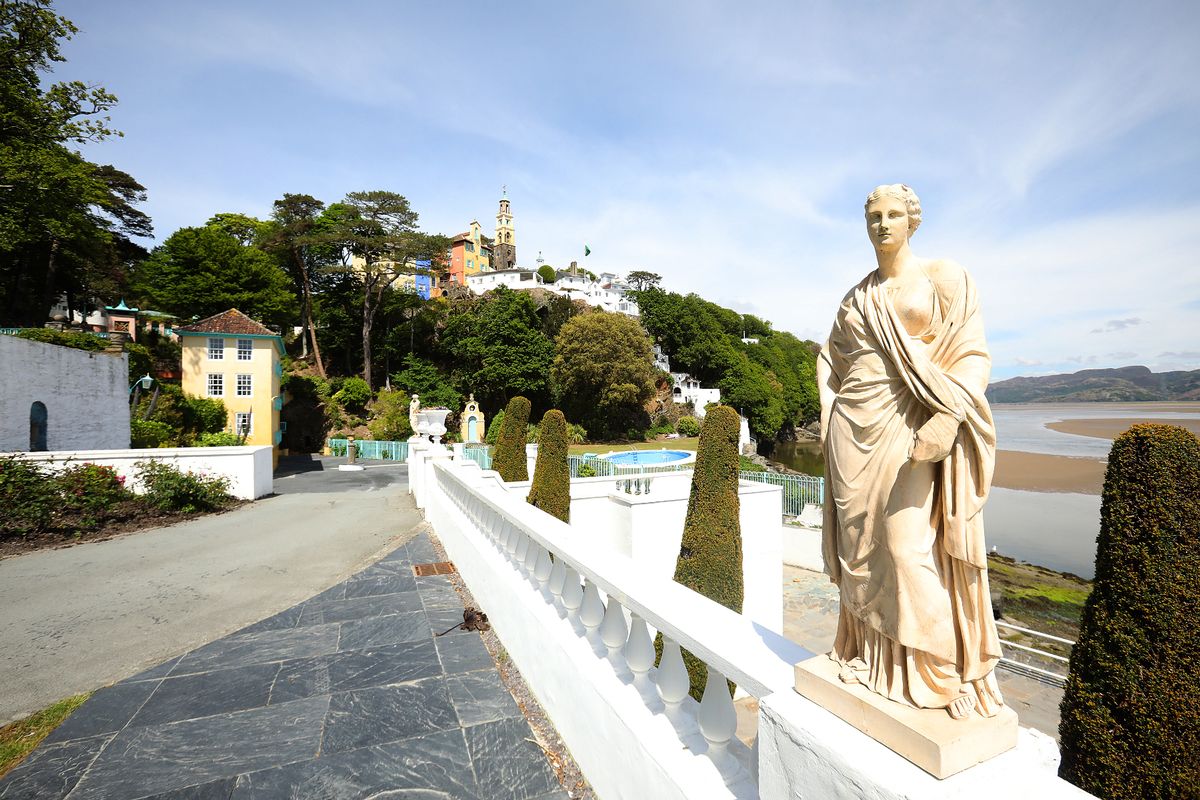
Portmeirion has been described as a mix of enchantment and quirks(Image: Ian Cooper/North Wales Live)
In addition to The Prisoner Shop, there’s other places to get souvenirs including the Rob Piercy Gallery and The Ship Shop with gifts, toys, housewares and Portmeirion Pottery best-ware.
This year, the village’s grand Portmeirion Hotel is celebrating its 100th birthday. To mark the impressive milestone, it has launched a two-night centenary package which includes Champagne afternoon tea, a murder mystery evening and a Gala Dinner with fireworks and live jazz.
(Image: portmeirion.wales)
Tourists are welcome to explore the village during the day, but after 5:30pm it is open only to hotel guests and residents. It is advised to buy tickets in advance via the website too.
It is worth noting that some facilities are not available during the winter season. During this time, adult and concession tickets are priced at £10, children at £5 and kids under five years go free.