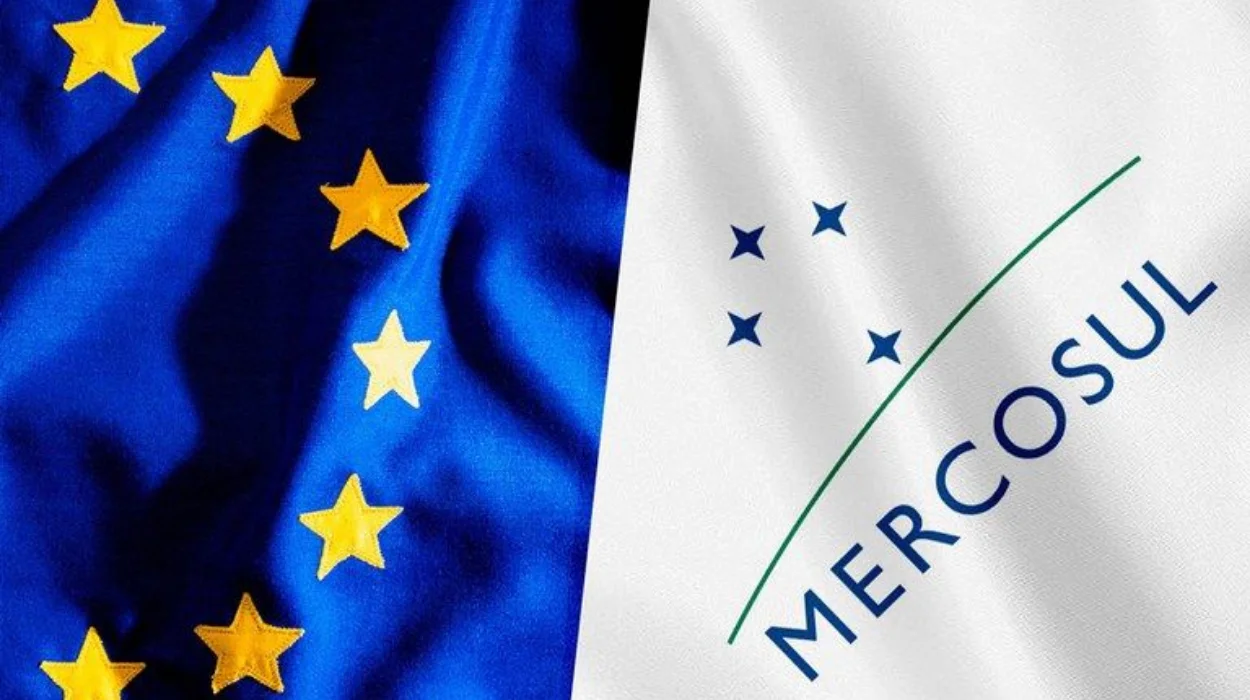
Asunción (Brussels Morning Newspaper) January 17, 2026 – The European Union and Mercosur bloc will sign a landmark free trade agreement today in Asunción, Paraguay. The pact, negotiated over 25 years, eliminates tariffs on over 90% of bilateral trade. European Commission President Ursula von der Leyen leads the EU delegation, joined by European Council President António Costa and Trade Commissioner Maroš Šefčovič.
EU member states approved the signing on January 9, 2026, with a qualified majority vote of 21 to 5, Austria, France, Hungary, Ireland, and Poland opposing, and Belgium abstaining. The agreement covers 700 million people and 30 percent of global GDP. Ratification by the European Parliament and Mercosur legislatures remains pending.
Signing Ceremony Details
The ceremony occurs in Asunción on January 17, 2026. Ursula von der Leyen, António Costa, and Maroš Šefčovič represent the EU. Paraguay’s President Santiago Peña and Uruguay’s President Yamandu Orsi attend; Argentina’s Javier Milei attendance remains unconfirmed. Brazil’s President Luiz Inácio Lula da Silva, key in negotiations, will not attend, as the event shifted from ministerial to presidential level.
Mercosur comprises Argentina, Brazil, Paraguay, and Uruguay. The deal forms part of a broader Association Agreement on trade, cooperation, and political dialogue. Provisional trade benefits via an Interim Trade Agreement may apply post-ratification.
Trade Provisions and Impacts
 Credoit: forex-e.com
The agreement removes 91 percent of tariffs on EU exports to Mercosur and 93 percent on Mercosur exports to the EU. EU gains easier access for cars, wine, and cheese. Mercosur benefits from reduced barriers for beef, poultry, sugar, rice, honey, soybeans, juice, and fish.
It creates the world’s largest free trade area by population. Supporters highlight boosted exports, investment, and strategic ties amid US protectionism and Chinese influence in Latin America. Environmental standards and enforcement draw scrutiny.
Negotiation History
Talks began 25 years ago, reaching political agreement in 2019. A December 2024 consensus delayed due to Italian requests for farmer protections. Denmark, as EU presidency holder, scheduled the vote for early 2026.
The Council vote on January 9 secured approval after ambassadorial agreement. EU capitals confirmed support by 1600 GMT that day. This clears signing but not implementation.
EU Approval Process
 Credit: aa.com.tr
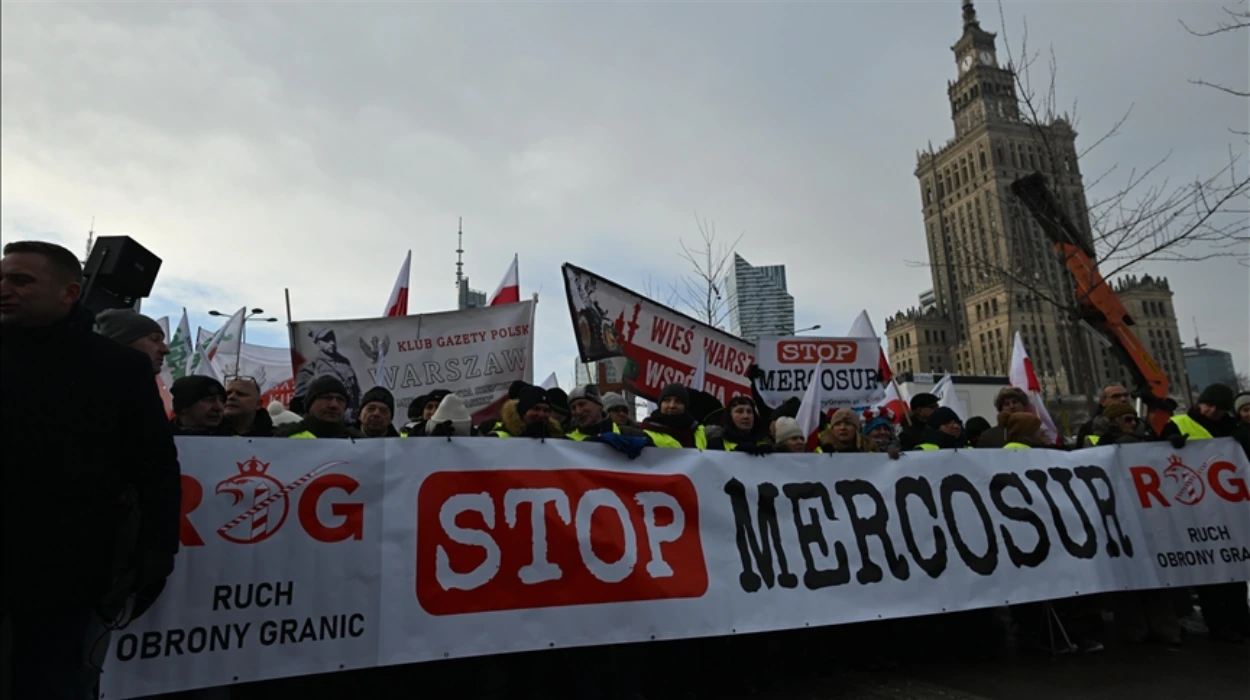
Twenty-one states backed the deal on January 9. Opponents included agricultural powerhouses concerned over competition. Belgium abstained. The European Parliament must approve for full effect; member state ratifications apply to non-trade parts.
Von der Leyen cancelled a prior Brazil trip lacking Council green light. Paraguay hosts as a neutral venue.
Mercosur Perspectives
Mercosur negotiators finalise texts post-EU approval. Leaders like Peña and Orsi prioritise economic integration. Brazil drove recent progress despite Lula’s absence. The pact counters US tariffs under President Trump.
In Argentina, estimates suggest 200,000 automotive jobs at risk from sector changes.
Economic Scope and Scale
The blocs represent 30 percent of global GDP. Trade liberalisation spans industrial goods, agriculture, and services. Preferential treatment covers remaining tariffs. It bolsters EU-Mercosur links against global shifts.
Broader Geopolitical Context
Signing aligns with EU diversification from US and Chinese dependencies. Latin America navigates post-Trump dynamics. The Association Agreement fosters dialogue beyond trade.
Previous delays stemmed from farm lobby pressures in France and other countries. Finalisation marks a milestone after decades.
Next Steps Post-Signing
European Parliament approval is essential. Mercosur parliaments follow suit. Provisional application possible via Interim Agreement. Full entry requires all ratifications. The deal awaits legislative hurdles despite political consensus.
Brussels Morning is a daily online newspaper based in Belgium. BM publishes unique and independent coverage on international and European affairs. With a Europe-wide perspective, BM covers policies and politics of the EU, significant Member State developments, and looks at the international agenda with a European perspective.