
Camberley nurse Clare Garrett, 45, says she was left needing a wheelchair after she had a private MRI scan in June 2024 following an accident at her home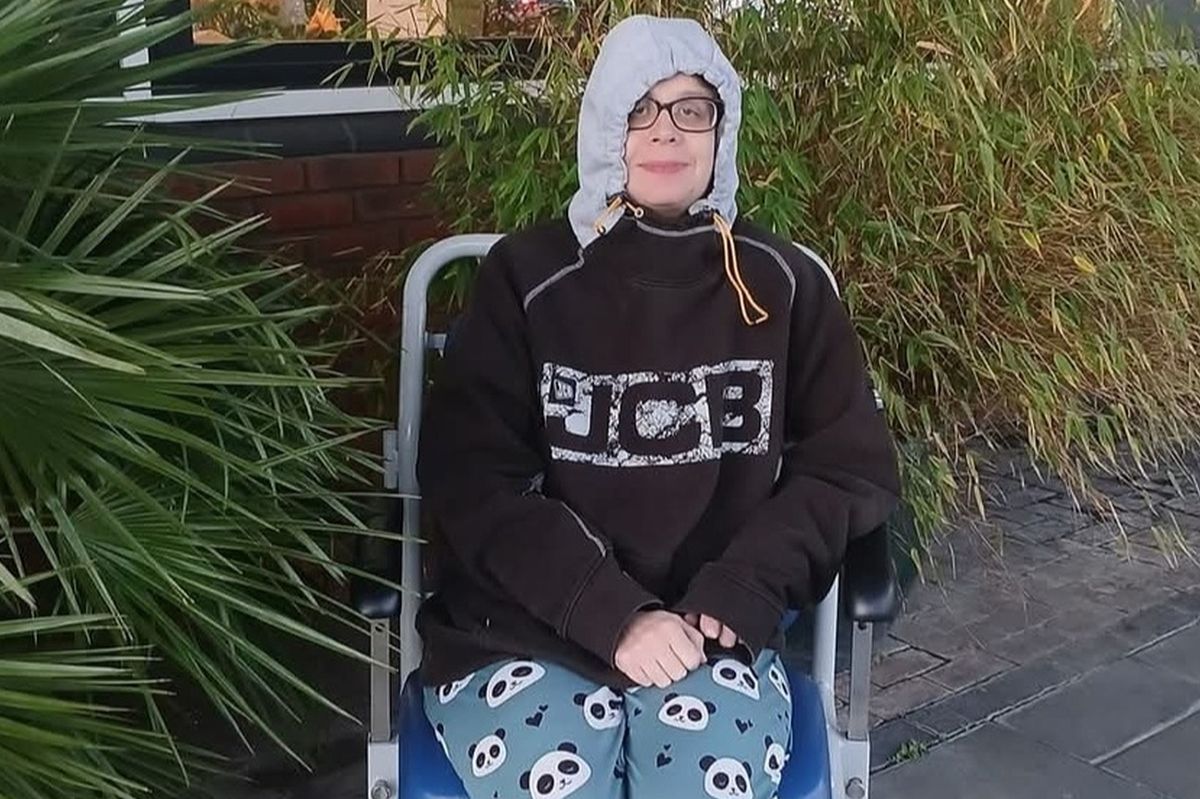
Surrey nurse Clare Garrett was left in a wheelchair after suffering gadolinium toxicity(Image: Kennedy News and Media)
A fit and healthy nurse claims the dye used in a routine MRI scan POISONED HER – leaving her wheelchair-bound.
Clare Garrett accidentally bumped her head on a kitchen cupboard while pet-sitting in June 2024. In the following few weeks, the 45-year-old began suffering symptoms of a concussion and decided to book in for a private MRI to avoid long NHS waiting times.
Before the test, the veterinary nurse was injected with gadolinium – a chemical used to help give radiologists clearer MRI images that is usually removed from your body within 24 hours. A day after the MRI scan, Clare woke up unable to lift her head from her pillow and soon began experiencing a ‘crunching’ sensation in her neck and knees.
Concerned over her worsening symptoms, Clare went for two more MRI scans – both with gadolinium – when she unexpectedly developed a heart condition.
READ MORE: ‘Trump made my daughter blame ME for her autism because I took paracetamol when pregnant’READ MORE: NHS trust ‘violated dignity’ of nurses in trans row over hospital changing rooms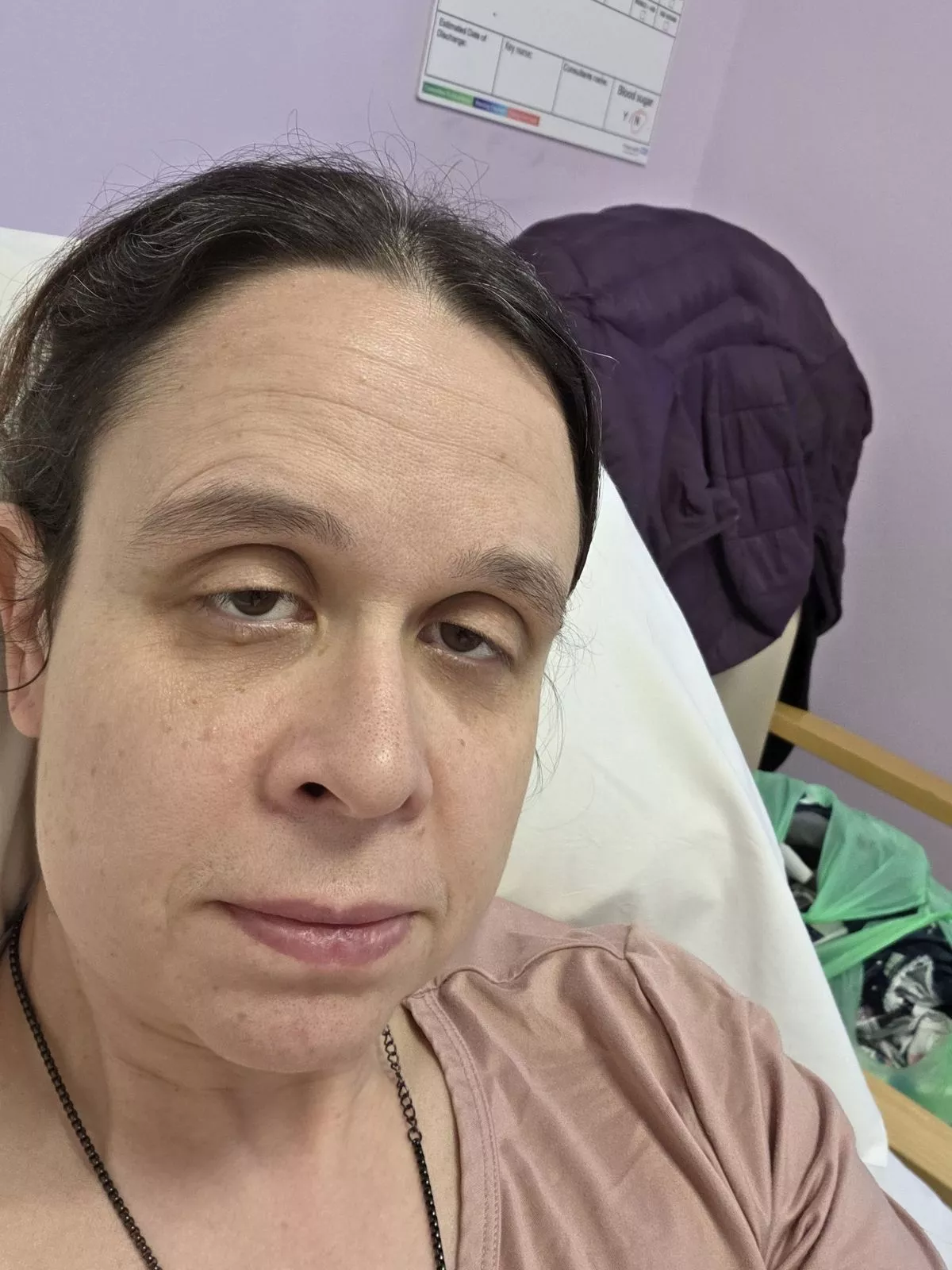
The 45-year-old was left ill after going for a private scan(Image: Kennedy News and Media)
Over the following 18 months, Clare developed even more health conditions and is now in a wheelchair ‘90% of the time’ due to ongoing mobility issues and severe head pain.
Dumbfounded by her decline in health after running half-marathons just weeks before, Clare began researching her symptoms online and stumbled upon gadolinium toxicity – rare, long-term side effects caused by the contrast agent.
Eventually, testing revealed that Clare still had ‘very high’ levels of gadolinium in her body 16 months after she was first injected with the chemical. According to the NHS, side effects or allergic reactions to gadolinium are very rare and are usually mild and short-lasting.
Clare, who lives near Camberley in Surrey, is now determined on reversing the damage, while also raising awareness of the potential risks associated with the injectable. She said: “Before this I had a really healthy diet and ran five times a week. I was running up to half-marathons.
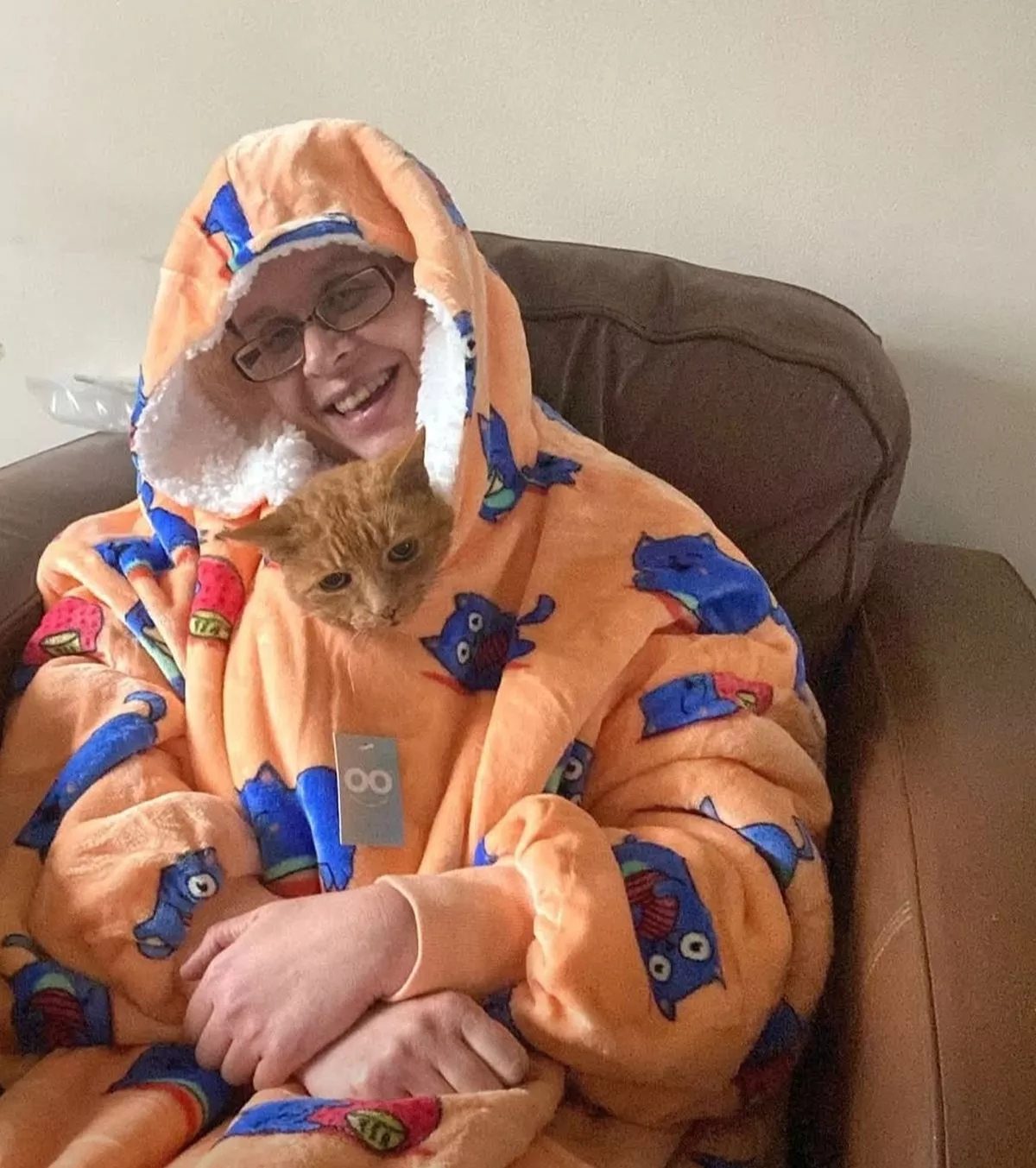
The nurse went for a scan after hitting her head in the kitchen(Image: Kennedy News and Media)
“Then in June 2024, I hit my head pet-sitting on a kitchen cupboard. I stood up and smacked the back of my head. I didn’t think anything of it until I started getting symptoms over the next week or two. I just started feeling dizzy, almost like concussion symptoms.”
Clare went to her local A&E before deciding to undergo a private MRI scan the following month when her symptoms failed to improve.
Before the MRI, Clare was injected with gadolinium to improve image clarity on the scan, but woke up the following day unable to move her entire neck and head.
Over the following few months, Clare underwent two more MRIs using gadolinium and her health deteriorated further, experiencing severe neurological issues, cervical spine instability, tachycardia, dysautonomia, Ehlers Danlos Syndrome, connective tissue issues, regular collapsing, exhaustion among other health concerns.
Clare said: “After the first gadolinium scan, something felt very, very off the next day. I couldn’t actually lift my head off the pillow. I didn’t know what was going on. I was in a panic.
“It’s got to the stage where I’m collapsing almost daily now. My partner will often come home from work and find me on the floor. All my connective tissue has fallen apart. 90% of the time I’m in a wheelchair. I can walk but it’s very difficult, the pressure in my head gets quite severe. I’m in a lot of pain, there’s no quality of life.”
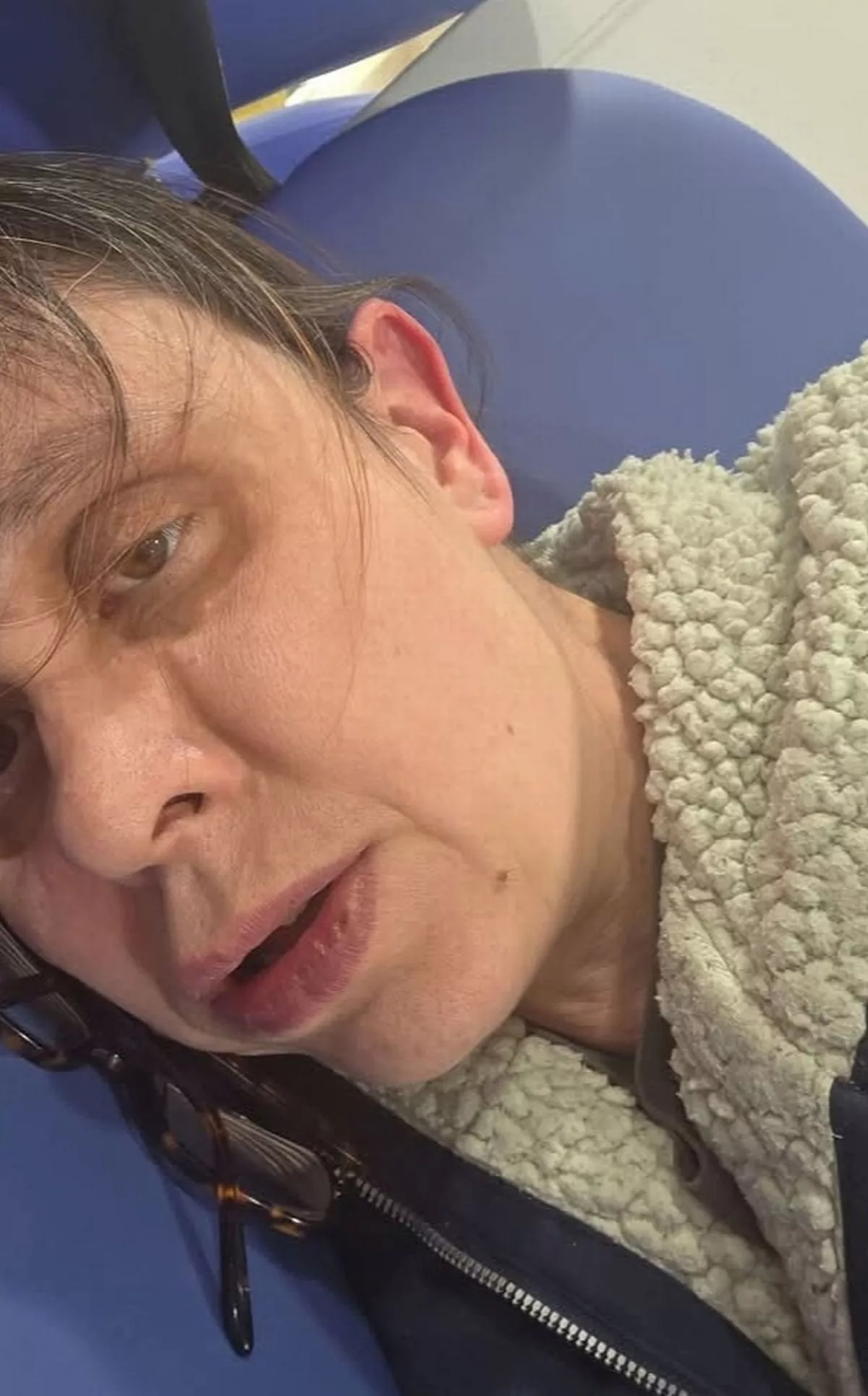
Clare said she was unable to lift her head up the next day(Image: Kennedy News and Media)
Eight months ago, Clare stumbled upon health issues associated with gadolinium online and was diagnosed with gadolinium toxicity last year.
With no guarantee of recovery, Clare is now fundraising to help pay for future treatment to remove the gadolinium from her body. She added: “I had no idea what was going on with me until I began doing my research on MRIs this year.
“I wasn’t told about the risks. I was told it would be removed from my body within 48 hours but blood tests now show it’s still very high in my body a year and a half later. I feel like I was poisoned by this chemical. It feels like it’s taking my life away. I feel like death.
“It will never go away naturally once it passes a certain amount of time. I’m just hoping this therapy works. I’m looking at places abroad to see a specialist.
“I really hope I’m not wheelchair-bound for life. It’s completely ruined my life. I know it’s a rare reaction but people should be told the risks. I definitely wouldn’t have gone ahead with it if I’d known the dangers. It’s probably cost me £45,000 overall in the past 18 months.”
You can make a donation to Clare by clicking here.
Gadolinium is a type of contrast (or dye) that is injected into a vein. They are colourless liquids and are used to make images clearer on an MRI scan which helps with diagnosis
In 2018, it was estimated that, since approval in 1988, over 460 million dosages of gadolinium had been administered worldwide.
In patients with normal kidney function, the NHS states that most gadolinium (over 90%) is excreted in the urine within 24 hours.
According to an article published in the British Journal of Medical Practice, acute allergic reactions to gadolinium are rare.