Over five years, SEND transportation costs increased by around £25.1 million
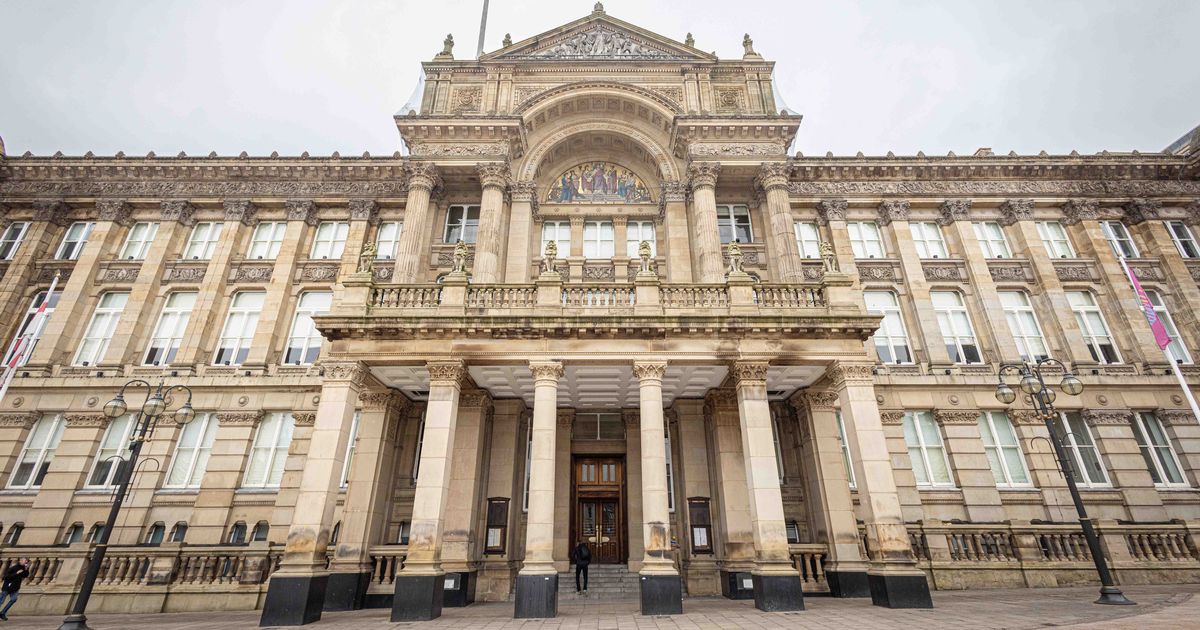
Birmingham City Council was named among the highest spenders for SEND transportation (Image: Nick Wilkinson/Birmingham Live)
Families of children with special educational needs are “trapped in a failing system”, the boss of an online school said, as a study claimed Birmingham Council spent £51million on SEND transport in just one year.
The sum, for 2024-25, was the fourth highest in the country, although the authority said no-one should be surprised at the scale of its commitment given it was Europe’s largest local authority.
The report was conducted by research company Green Shoots Market and commissioned by online school Minerva Virtual Academy [MVA].
READ MORE: Birmingham bar introduces mental health nights that start with one question
Over five years, SEND transportation costs increased by around £25.1 million for Birmingham City Council.
Hugh Viney, MVA CEO, said: “This report gives a voice to families trapped in a failing system and exposes the gruelling reality of SEND transport.
“For thousands of children, the daily journey to school is a source of chronic anxiety, sensory overload and deteriorating mental health, leaving them exhausted before learning even begins.
“SEND transport costs aren’t rising because of need alone, but because of a system that too often works against families.”
Local authorities are required by law to offer free school transport in certain situations for children up to the age of 16 – including when a pupil lives more than three miles from school or has special educational needs.
The number of pupils with SEND increased by 44 per cent nationally over nine years, while spending on transporting them to school rose by 204 per cent.
Home-to-school transport for pupils with SEND now accounts for 4.9 per cent of all local authority education spending, up from two per cent a decade ago.
Mr Viney continued: “The report raises serious questions about how councils are spending public money, particularly around competition, procurement and value for money.
“Instead of funnelling vast sums into taxi services, including council-owned subsidiaries, we should be asking why alternative models of education for children who are out of school or struggling in mainstream settings are so often overlooked.”
A Birmingham City Council spokesperson said: “By virtue of our size, as the largest local authority in Europe, it is not surprising we support more SEND pupils with home to school transport than other councils.
“An increase in demand for this support has been seen across all local authorities, not just in Birmingham, as more students qualify for home to school transport – a service more families rely on.
“Birmingham currently supports around 6,000 pupils with all forms of travel assistance – considerably more than those supported by councils cited in the report – not just through SEND, but also by helping lower-income families who also qualify for travel support.
“Our spend has been significantly reduced over the past 18-months, through major changes in how this service is procured, to achieve better value for money.
“We also invested in independent travel training, which is successfully supports SEND students helping them to access public transport, which prepares them for adulthood.”