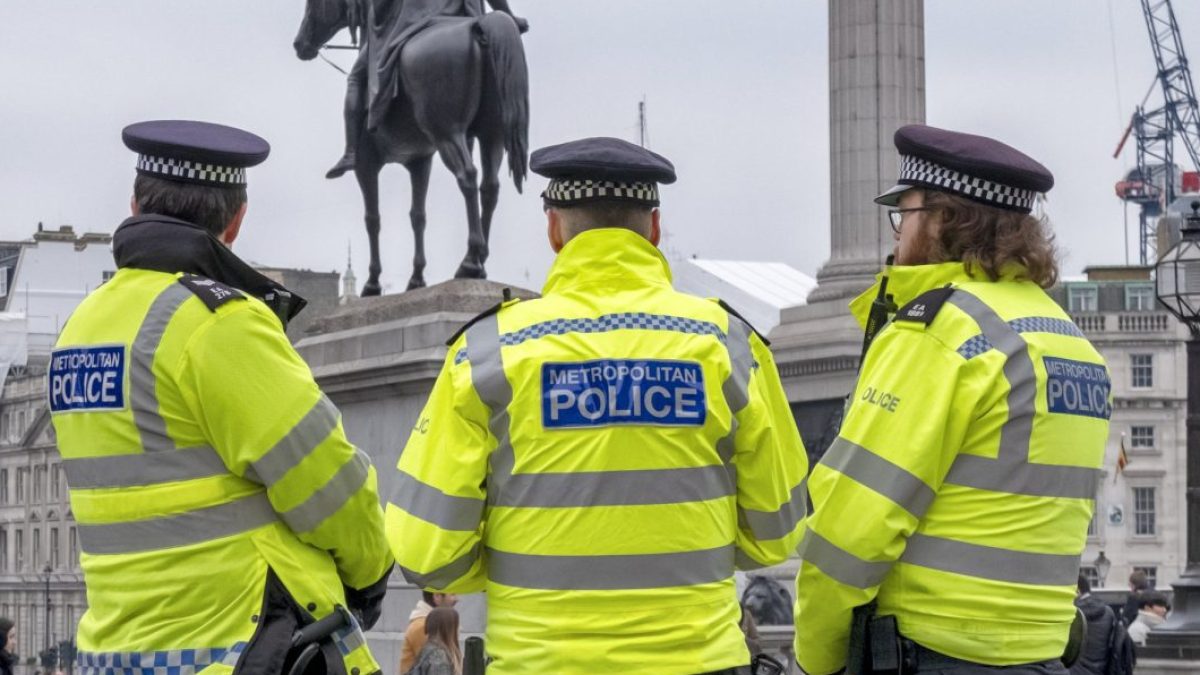
The Home Secretary is expected to ‘significantly’ cut the number of forces from their current level of 43, and tell them to focus on serious and organised crime
The Government is set to slash the number of police forces in England and Wales, sources have confirmed.
Home Secretary, Shabana Mahmood, will announce the plans next week, a Government source said.
She is set to pledge to “significantly” cut the number of forces from their current level of 43, and tell them to focus on serious and organised crime.
New FeatureIn ShortQuick Stories. Same trusted journalism.
An insider told The i Paper the shake-up is the largest reform to policing since the service was founded two centuries ago.
It comes after calls by police chiefs for “mega forces” to be created that could reduce the amount of money spent on policing and enhance their ability to fight crime.
As part of reforms, the Government plans to radically change the structure of policing by pledging to significantly reduce the number of police forces by the end of the next parliament.
The source said: “For decades, people have called for forces to be merged. Mahmood is a politician who is not scared of bold reform and a political fight.”
Forces will specialise in tackling serious and organised crime and complex investigations such as ones into murders, drugs and county lines gangs.
Under the new structure, all forces will be given the tools and resources they need to fight serious crime.
Local Policing Areas will also be set up for each town, city or borough and the teams will operate closer to their local community than the current forces do.
The teams will be tasked with delivering exceptional neighbourhood policing like fighting local crime, such as shoplifting, drug dealing, phone theft, and antisocial behaviour.
Under this new structure, neighbourhood policing will be restored to tackle everyday crimes.
It is hoped the savings made by having fewer staff, such as administrators and managers, will mean more cash will be ploughed into frontline officers, neighbourhood police, 999 response and criminal investigations.
An independent review will be established to determine the number of and precise operational design of each force.
There will be 13,000 more neighbourhood police, including 3,000 on the beat by March of this year.
Insiders say the recruitment drive is on track as almost 2,400 neighbourhood officers were already working in communities as of September last year.
On 26 January, Mahmood is expected to outline in a White Paper, titled “From local to national: a new model for policing”, the radical blueprint for reform.
In her policy proposal she is expected to argue the current model of forces, which run their own headquarters, management teams and backroom staff, is bureaucratic and wastes money, the BBC reports.
It is claimed ministers believe the performance of local forces varies too widely across England and smaller forces are less well-equipped to deal with serious crime and respond to major incidents.
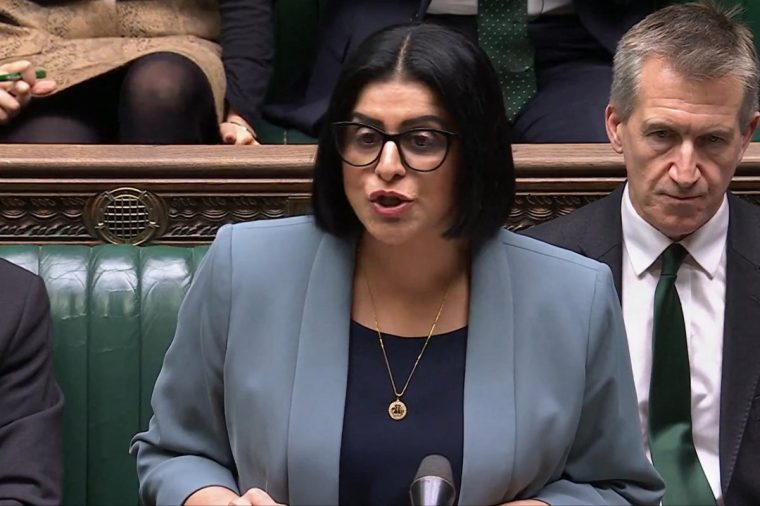 Home Secretary, Shabana Mahmood, is expected to announce the plans next week (Photo: PRU/AFP)
Government insiders say there is an “epidemic of every day offences” going unpunished, and criminals think they can “cause havoc on our streets with impunity” because people are forced to wait hours or days for police to investigate crimes.
A Government source said: “Where you live will no longer determine the outcomes you get from your force.”
An independent review will be set up to determine how many forces will exist under the new framework and how they will operate, it is claimed.
Responding to the news, Conservative leader, Kemi Badenoch, said: “Keir Starmer’s forced police reorganisation will undermine efforts to flight crime across England and Wales, inevitably leading to centralised control and reduced policing in towns and villages across the country.”
Among the police chiefs calling for a revamp of policing in England and reducing the number of forces is Chief Constable Gavin Stephens, chair of the National Police Chiefs’ Council.
He said: “Crime is changing, technology is evolving, and we need to be set up in the best possible way to tackle crime in the modern world, relentlessly focused on good quality neighbourhood policing alongside national threats.
Your next read
“I know the Home Secretary shares this ambition. We look forward to seeing the Government’s White Paper and working with them to ensure policing delivers outstanding results and rebuilds confidence with the communities we serve.”
Metropolitan Police Commissioner, Sir Mark Rowley, has called for the creation of 12 to 15 mega-sized police forces in England in a bid to save money and allow for a greater investment in technology.
A spokesman for the Policing Federation, which represents officers, said: “Fewer forces doesn’t guarantee more or better policing for communities.
“Skills, capabilities and equipment need significant investment if the public and officers are going to see reform deliver in the real world.
“Any proposals must be driven by evidence and best practice, not lowest cost, and must strengthen rather than weaken frontline, investigative and specialist capability, neighbourhood policing and public confidence.”