(Credits: Motörhead)
Fri 23 January 2026 9:58, UK
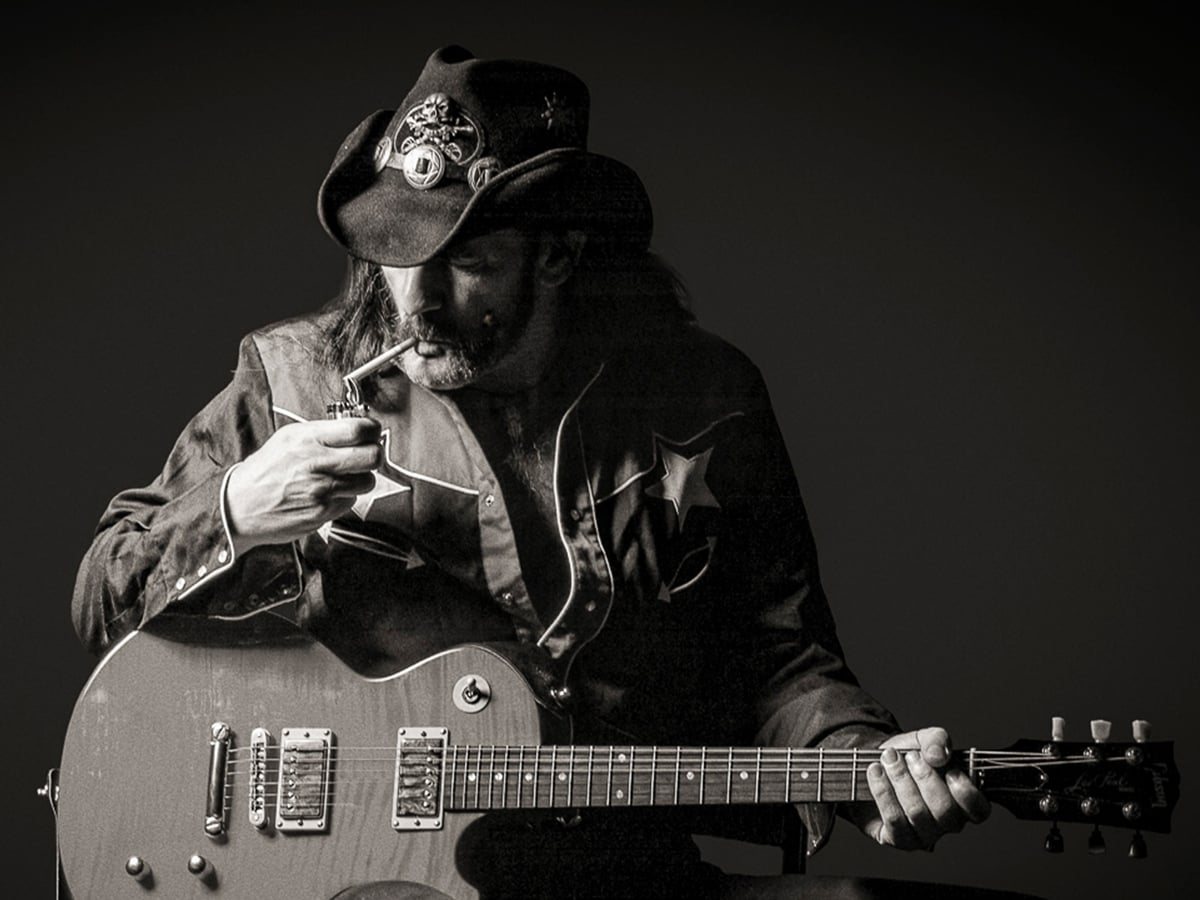
The larger-than-life frontman of Motörhead, Lemmy Kilmister, was the walking talking embodiment of rock ‘n’ roll. He lived life to the fullest, and aided by his favourite tipple, Jack Daniel’s, he made debauchery an essential aspect of his storied career. Lemmy ascended to heights that were largely antithetical to what was expected of a son of a vicar from humble origins in Staffordshire, England.
It’s a testament to the life and times of Lemmy that Dave Grohl, the legendary member of Nirvana and Foo Fighters, once proclaimed: “Fuck Elvis and Keith Richards, Lemmy’s the king of rock ‘n’ roll. No one else comes close”.
Kilmister was a pioneer who helped spread the gospel of rock to the masses, unfailingly oozing charisma along the way, which solidified his place in the annals of history as much more than solely a rockstar; he was a personality, a commentator, and at many points, a comedian. His fans are so dedicated that you could even argue that he led a cult of character, as, without his persona, his work wouldn’t have been the same.
It’s been over a decade since Kilmister passed away, and the void he left seems to grow incrementally with each passing day. In the years since his death, many stories that the Motörhead leader told have emerged, confirming his position as one of the most eminent commentators on rock music.
He did it all over his career, and remarkably, Lemmy already accomplished a lot in the variety of bands he performed in before Motörhead was formed in 1975. One of the most iconic moments in Lemmy’s pre-Motörhead career came when he was the roadie for Jimi Hendrix. In a revealing interview with Bass Player back in 2015, Lemmy remembered one anecdote involving the legendary American guitarist, where he offered him some advice that changed the trajectory of his career, influencing his shift from the guitar to bass, which would prove to be a life-changing decision, creating the icon that is Lemmy.
Lemmy’s version of events is classic Kilmister: funny, slightly barbed, and delivered with the shrugging confidence of someone who’d already decided that “career planning” was for other people. But underneath the punchline is a pretty revealing snapshot of how he actually operated. He didn’t myth-make by pretending every step was destiny; he myth-made by insisting it was mostly chaos, then proving he could thrive in it. If Hendrix’s blunt assessment stung at all, Lemmy never plays it that way. He frames it as a gift. The kind of brutal honesty that clears the fog and forces you towards the thing you’re actually built to do.
It also speaks to the strange alchemy behind Lemmy’s later sound. A lot of bassists arrive at the instrument through reverence, studying lines, learning restraint, falling in love with the pocket. Lemmy arrived through opportunity and spiteful practicality: the bassist didn’t show up, the gear was there, and the band needed someone to carry the weight. That origin story matters because his playing never behaved like “bass” in the traditional sense. Even when he was holding down the low end, he attacked it like a rhythm guitarist with a score to settle, turning what should have been supportive into something confrontational and front-facing.
And then there’s the Hendrix element as a kind of tonal foreshadowing. Being a roadie for Hendrix wasn’t just proximity to greatness; it was a backstage education in volume, swagger, and the idea that electricity could be a language all of its own. Lemmy didn’t copy Hendrix’s virtuosity; he openly admits that wasn’t his lane, but he absorbed the attitude: if you can’t outplay them, out-presence them. When Motörhead eventually detonated, the blueprint wasn’t “be the best musician in the room”. It was “be the most undeniable”.
Lemmy said: “He told me I was never going to be a good guitar player (laughs). I was lucky, though. I joined Hawkwind for the job of the guitar player, and they just decided they weren’t going get another guitar player—Dave (Brock, vocals) decided he was going to play the lead.”
The Motörhead mastermind concluded: “But the bass player, like a twat, had not shown up that day because it was a free gig and he wasn’t getting paid. He left his bass and amp in the gear van, like, “Steal my gig,” so I stole his gig (laughs).”
Related Topics