
1,119 Chinese nationals have bought homes in Tower Hamlets since 2020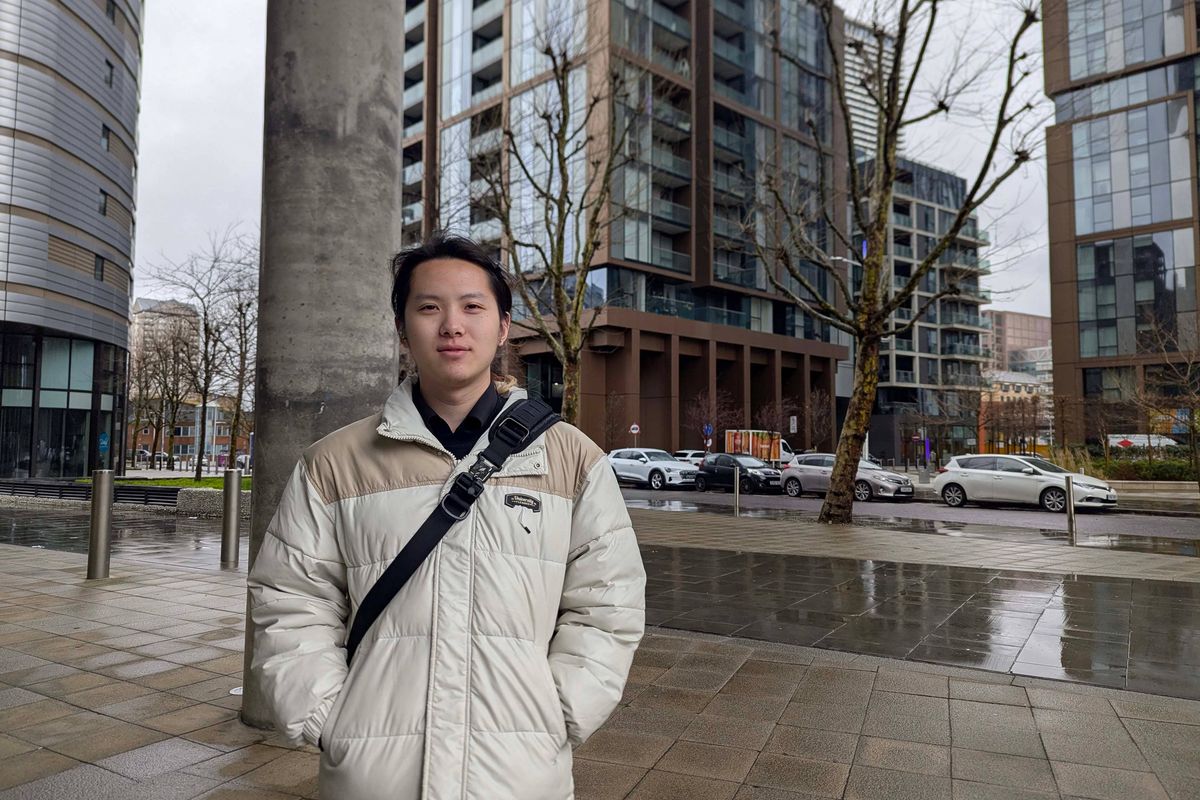
Xutong said most people living in Chinese cities live in the sorts of modern high-rise apartments common in Tower Hamlets(Image: )
Welcome to London’s ‘new Chinatown’, the borough where Chinese residents are increasingly choosing to settle – ‘because it looks like Beijing’. Tower Hamlets has experienced the capital’s most significant increase in Chinese homebuyers over the past five years, new figures reveal.
A controversial new Chinese mega-embassy has received planning approval in the borough, at Royal Mint Court. Estate agent data shows that 1,119 Chinese nationals have purchased properties in Tower Hamlets since 2020.
SWNS spoke to locals in the area to find out what about it is drawing so much interest from Chinese buyers. Brooks Liu, from Beijing, lives in Goodmans’ Fields, a contemporary seven-acre high-rise development located just 500 yards north of the proposed Chinese ‘Mega-Embassy’.
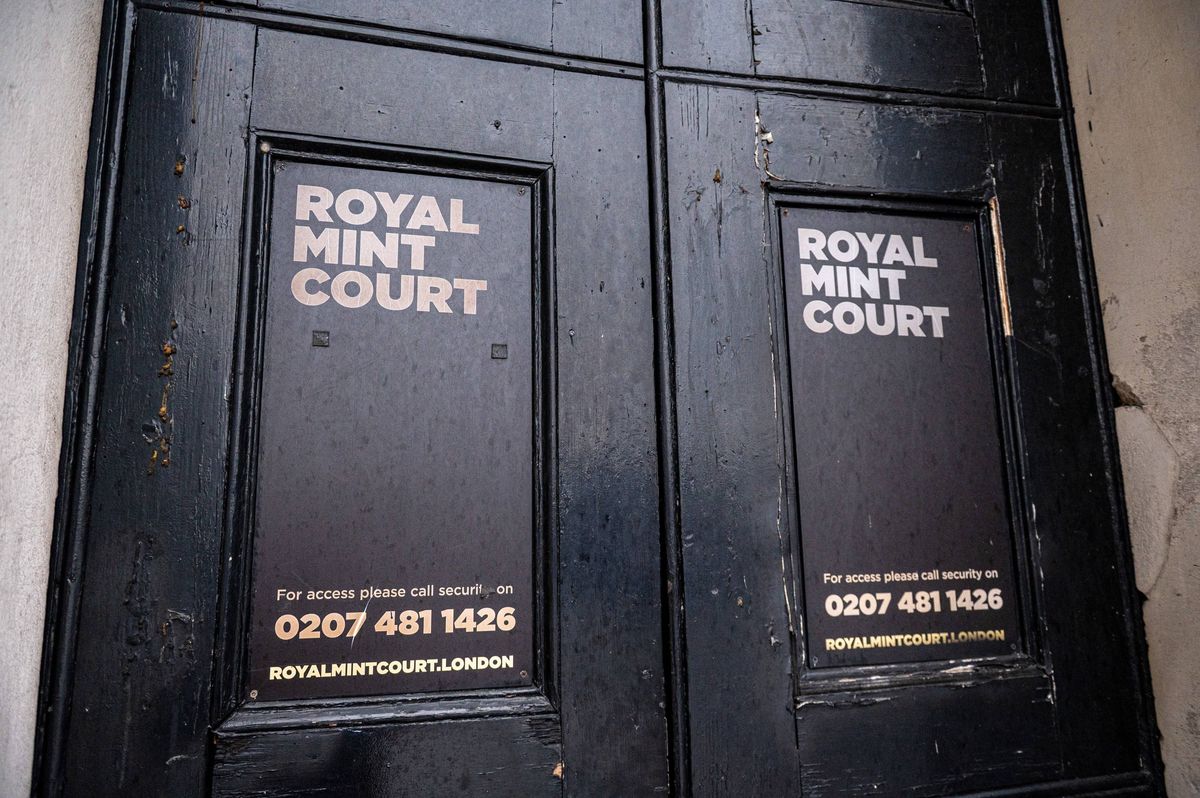
Royal Mint Court is the proposed new location of the Chinese Embassy(Image: )
Walking her dog in the characteristically British drizzle, the 33-year-old, who arrived in the capital three years ago to pursue a master’s degree, suggested the area’s popularity stems from its similarity to Beijing. She explained: “It’s a nice area, E1, especially for Chinese people. I used to live in Beaconsfield, (in Buckinghamshire), it’s a town and the citizens over there are decent people. But I think somewhere deep in Chinese peoples’ minds, we still prefer to live in the centre of the city.”
She added: “It’s a really different culture here (in the UK). Some of my friends, especially local people, if they’ve got money, if they want to live a decent life, they prefer to move to somewhere very quiet and not very busy. I think it depends on the history and different culture, and we (Chinese people) just prefer to live in more convenient places.”
Brooks explained that the convenience of Chinese culture makes an area like Tower Hamlets ideal. She said: “Life in big cities in China is too convenient, if you want to order food at midnight it’s very easy to access it. Young people have already got used to living life like that, so it’s really hard for us to live life without many deliveries. Chinese food is another thing – here we have Chinese shops, supermarkets, local food. It’s already building up a little community.”
She continued: “I was just talking to my friends several days ago, and this area looks very much like Wangjing, in Beijing. It’s near Liverpool Street, there are office buildings around, it’s very energetic.”
However, she dismissed suggestions that the new embassy had contributed to the area’s growing appeal. Laughing, she remarked: “No, no, no. Nobody knows where it is.”
King’s College student Yining Ren, 20, from Hebei, China, was browsing Tian Tian Market, the Chinese supermarket in Goodmans’ Fields. The accounting and finance undergraduate attributed the neighbourhood’s popularity to its upmarket feel.
She explained: “The community is more luxury, many of the Chinese living here have a lot of money so they can afford to live here. It’s kind of new, and it has the Chinese market, the food, and the transport – it’s near the subway station.”

Yining Ren said the area has an ‘upmarket’ feel that appeals to Chinese buyers(Image: )
Two-and-a-half miles east, just south of Canary Wharf, Xutong Ye, 25, is employed at a Chinese restaurant. He arrived in the UK two years ago to pursue a master’s degree in Photography and Urban Culture at Goldsmiths, University of London. Currently, he works near Indescon Square, in a neighbourhood where residents of Chinese heritage comprise approximately 25 per cent of certain buildings, based on 2021 Census data.
Coming from Nanjing, Xutong believes the area’s contemporary architecture is one of the key factors drawing Chinese residents. He explained: “This place looks very modern. I live in Island Gardens in an old house, because it’s cheap; it’s expensive here. In China, most of us live in new buildings like these ones [here].”
This perspective is shared by Alan Chau, chair of the Chinese Association of Tower Hamlets. He commented: “A large part of the increase may be from Hong Kong residents, especially due to the British National (Overseas) visa scheme. If I were to suggest a reason why Tower Hamlets is attractive, it may be linked to Canary Wharf. The tall buildings, modern environment, and apartments with concierge services and 24-hour security are similar to Hong Kong, which many Hong Kong people are familiar with.”
Some long-term Tower Hamlets residents voiced concerns about the new embassy. Mark Greeno, 57, who has lived in a flat in St Mary Graces Court -which adjoins the proposed embassy site – for 38 years, said: “I would guess, around this area, all the flats that go up on the market, going forward, will be bought by Chinese. Which, to be honest, I don’t mind – they’re very respectful when you talk to them, they’re very respectful people as neighbours.”
However, Mark added that he has concerns that the embassy’s location could endanger dissidents escaping Hong Kong, and fears espionage activities might compromise his personal privacy. Critics have cautioned it could serve as a hub for surveillance operations and present significant security threats.

Mark welcomes more international residents to the area, but shared his worries about the treatment of dissidents(Image: )
The site at Royal Mint Court, near the Tower of London, was purchased by Beijing in 2018 for £225m, and spanning 20,000 square metres, it would become Europe’s largest embassy of its type. Mark explained: “If you’re one of the dissidents of Hong Kong, you’re going to want to be as far away from the Chinese embassy as humanly possible. If you’re upstairs above me, all of a sudden they’re five minutes away to coming in, knocking down the door, collecting them, picking them up, taking them into the embassy. What are the police going to do about it? What is the state going to do about it? Nothing.”
Data secured by estate agent Benham and Reeves through a Freedom of Information request from the Land Registry reveals that Chinese nationals’ property ownership in London has surged by 85 per cent over the past five years—an increase of 3,746 homes.
During the same period, properties owned by Hong Kong nationals rose by 23 per cent, representing an additional 2,372 homes. In the capital, Tower Hamlets leads the way – with 1,119 additional properties purchased by Chinese nationals over the past five years, according to the estate agent.
Marc von Grundherr, director at Benham and Reeves, commented: “Since the purchase of the Royal Mint Court site by the Chinese government, we’ve seen a notable increase in buyer activity from both Chinese and Hong Kong nationals across Tower Hamlets. The borough was already popular due to Canary Wharf and the presence of HSBC’s headquarters.”
He added: “While HSBC may now be relocating to the City, Tower Hamlets remains a destination of choice, particularly with growing anticipation of the mega embassy which has now been approved.”
Keep up with the latest East London news. Sign up to our MyEastLondon newsletter HERE for daily updates and more.