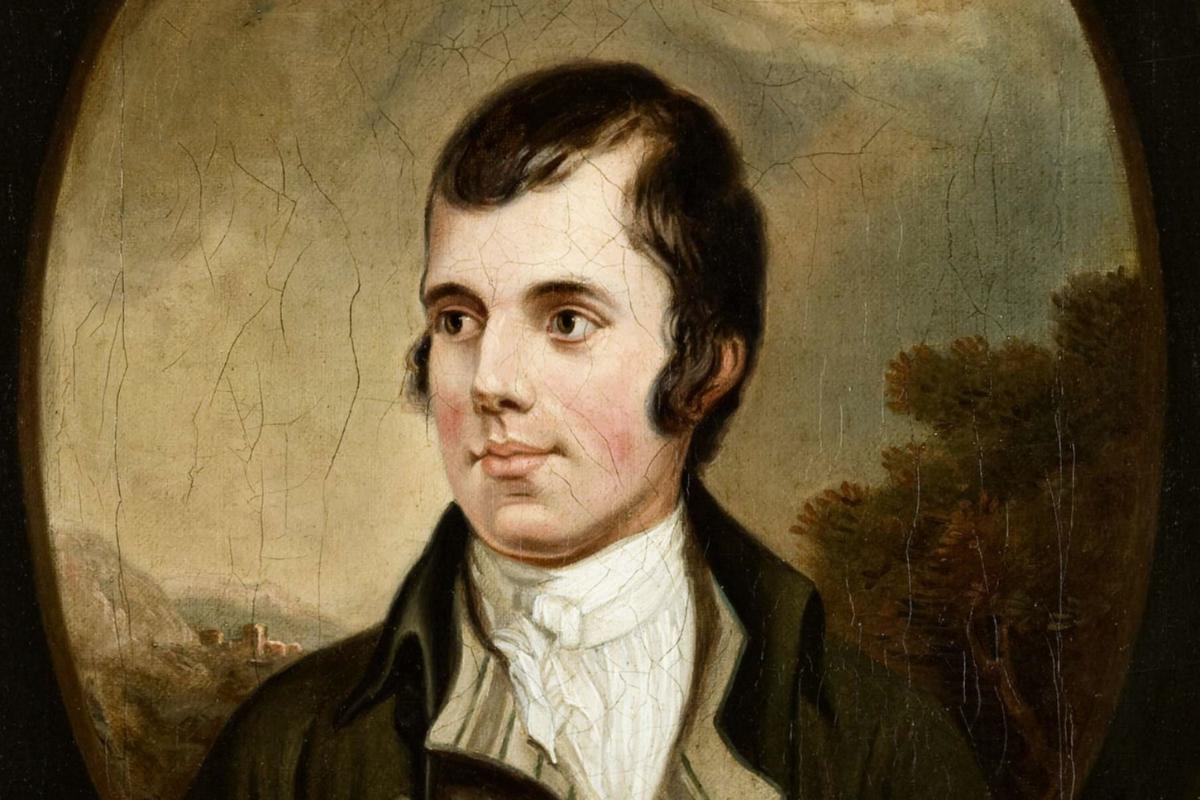
Burns Night is Scotland’s annual celebration of poet Robert Burns, held on January 25 every year. In 2026, Burns Night falls on a Sunday.
Each year, people celebrate the occasion by way of Burns Night traditions, Burns suppers and traditional food.
The event combines poetry, haggis and whisky to honour Burns’ life and Scotland’s cultural heritage.
In this Burns Night 2026 – date, traditions, food and meaning explainer, we’ll tell you everything you need to know about Rabbie Burns and why he’s still celebrated today.
Read more:
What is Burns Night and why do we celebrate it?
Burns Night is an annual celebration marking the birthday of Robert Burns, Scotland’s national poet.
It is observed on January 25 every year with Burns Suppers, poetry readings and traditional food.
When is Burns Night 2026?
Burns Night 2026 takes place on Sunday, January 25, 2026, the anniversary of Robert Burns’ birth in 1759.
The date has been observed for more than two centuries, following early commemorative suppers organised by Burns’ friends shortly after his death to honour his life and work.
Burns Night traditions explained
Burns Night traditions follow a structured format, particularly at a Burns Supper.
These events are held both formally and informally, and often include speeches, poetry recitals and musical performances.
A central moment is the Address to a Haggis, a poem written by Burns, followed by toasts celebrating his legacy and Scottish culture.
Burns Night food and drink
Traditional Burns Night food centres on haggis served with neeps and tatties.
Scotch whisky is typically shared during toasts throughout the evening.
While modern celebrations may adapt the menu, these core elements remain closely associated with the spirit and symbolism of Burns Night.
Why is Robert Burns Scotland’s national poet?
Robert Burns is regarded as Scotland’s national poet because his writing captured everyday life, language and values.
His most famous works include Auld Lang Syne, Tam o’ Shanter and Address to a Haggis.
Written in Scots and English, they have helped shape Scotland’s cultural identity and global reputation.