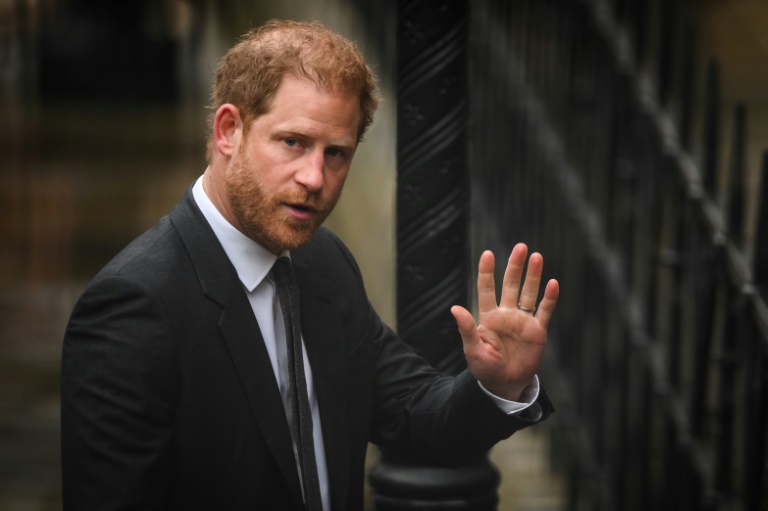
Behind the carefully managed attempts at royal reconciliation lies a far grimmer reality, experts say. Prince Harry‘s recent efforts to mend fractured relations with his father, King Charles, may be motivated less by matters of the heart and more by the financial pressures facing the Duke and Duchess of Sussex in an increasingly hostile media environment and challenging streaming marketplace.
Since stepping back from royal duties in 2020, the couple has built a lucrative but precarious life in California, relying largely on streaming partnerships and production deals that now face significant headwinds. The idea that family reconciliation might be driven by business pressures rather than genuine familial concerns raises uncomfortable questions about the sustainability of their post-royal venture.
Why Prince Harry Needs Royal Redemption
The couple’s flagship Netflix deal, reportedly worth around £88 million, now stands at a critical juncture. Industry insiders increasingly warn that without fresh material, credible platforms, or renewed public interest, the Sussexes may struggle to justify the vast sums they have already received from the streaming giant.
Royal author Duncan Larcombe told the Mirror: ‘If they go on to lose all of their Netflix deal, it will be a very bitter blow. Largely, it has been a success story for them personally since they stepped down as working royals. But if it means selling the family silver, you do not want to be in a situation where you do not make full money from it.’
This assessment reveals a harsh truth: without the credibility and narrative power of opposing the monarchy, the Sussexes are just another celebrity couple with production ambitions and a shrinking audience. Conversely, a headline-grabbing reconciliation, especially one that positions Harry as the peacemaker, could revitalize their brand and attract continued investment from streaming platforms seeking compelling, accessible storytelling.
A Carefully Orchestrated Campaign for Reconciliation
The timeline of Harry’s reconciliation efforts is far from accidental. A face-to-face meeting with King Charles during a September visit to the UK was swiftly followed by a poignant BBC interview in May, where Harry explicitly expressed his desire to rebuild ties with the royal family. These moves came at carefully calculated moments, each designed to generate maximum publicity and rehabilitate his public image.
Yet the orchestration highlights a fundamental tension: if the motivation were purely personal, would such moments require such meticulous staging and media management? The very nature of public reconciliation attempts suggests a strong awareness of their commercial value, particularly in an era when royal drama generates unprecedented engagement across digital platforms.
Business Drives Modern Monarchy
What Larcombe’s candid assessment highlights is that modern royal dynamics are inseparable from commercial considerations. The Duke of Sussex has spent years building his brand as a victim of a callous institution, yet that narrative remains saleable for only so long. Once the novelty wears thin and audiences grow weary, reconciliation becomes not just desirable but essential.
Whether Harry’s motivations are mixed, purely commercial, or genuinely centred on restoring family bonds remains impossible to definitively determine from the outside. What is certain is that the pressures facing his Netflix empire are real, the stakes are extraordinarily high, and the timing of his reconciliation attempts is decidedly convenient.