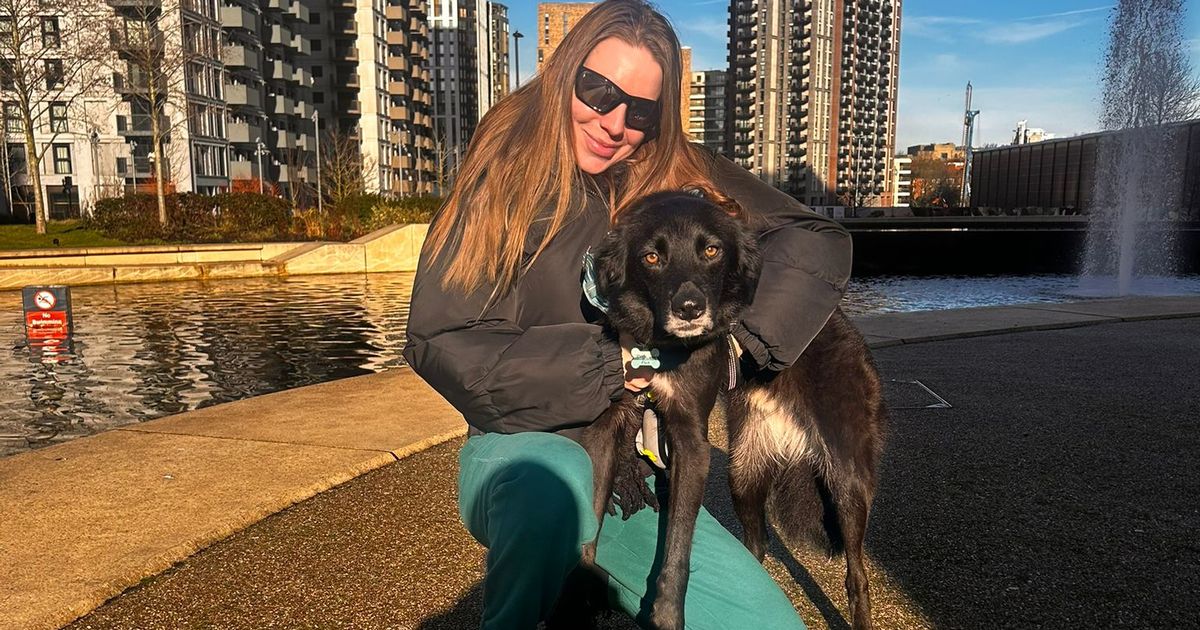
Pet owners trying to bring their beloved animals into the UK are facing a post-Brexit bureaucratic nightmare, with soaring costs, endless paperwork, strict medical checks, and hours-long airport waits
Ever since Brexit, it’s been a nightmare for immigrant pet owners(Image: )
Pet owners trying to travel between the UK and Europe are facing a Brexit-induced bureaucratic nightmare. With soaring costs and mountains of red tape, animal lovers who have immigrated to Britain have been left at their wits’ end.
Gone are the days of the simple EU pet passport. Now, British animal lovers must fork out hundreds of pounds, sometimes thousands, to import their furry loved ones.
With extra medical checks and hours-long waits at airports, frustrated owners say the process is “a million times harder” than before. Many have consequently been calling on the government to bring back the old, hassle-free system as negotiations for a “Brexit reset” continue.

Lulu, 13, had to endure an incredibly long journey from Ireland to the UK(Image: )
In September 2025, I officially adopted Puck, a two-year-old rescue mutt from Romania. However, it wouldn’t be before November 2025 that I would finally welcome my dog home, in London.
The UK’s Department for Environment (Defra) implemented mandatory pre-import testing for all commercial dog imports from Romania. While Puck had already been tested negative for the disease, in addition to being vaccinated against Rabies and all other canine diseases, the new rule meant that more blood samples had to be drawn in Romania by an authorised vet and sent directly to the UK’s Animal and Plant Health Agency (APHA) National Reference Laboratory at Weybridge.
Once the negative result was received, Puck had a maximum of 30 days to enter the UK from the date his blood was drawn. Because the UK is no longer part of the EU Pet Travel Scheme for rescues, dogs like Puck must follow the more complex Approved Importer Scheme.
Plunged into a ‘twighlight zone’
The Approved Importer status with APHA verifies both the rescues’ premises abroad and their chosen transporters. Commercial imports are only allowed to enter during tightly controlled weekday hours at specific import centres, and all dogs face a mandatory 48-hour quarantine and inspection by Defra officials upon arrival.
Brexit created huge uncertainty and extra costs for UK dog rescues working with EU countries, leading to lower donations, more bureaucracy, prejudice against foreign dogs, and stricter vet policies. “The initial impact of brexit on international dog rescue from EU countries was the enormous uncertainty it bring with it – prior to and during the process”, said Shellyanne Bonser, UK Director at Sadies Dog Rescue, the non profit organisation operating in Bacǎu, Romania where Puck came from.
She further explained: “The lack of clarity and communication plunged us into a ‘twighlight zone’ where people were so uncertain about committing to a dog from abroad when we we unable to give assurances about timescale, cost, process or even that it could actually happen. This had a direct impact on donations to the rescue and we underwent a period of much lower income, impacting our ability to undertake many aspects of our work effectively, ie spaying and neutering in the community, supporting local pet owners, education programmes, feeding and welfare programmes for street dogs.”

It was easier to bring Sasha from Argentina to Spain, than from Spain to the UK(Image: )
Costly customs charges and extra bureaucracy for importing animals also forced transport companies to comply with dual UK and EU regulations and required pet owners to obtain expensive Animal Health Certificates for travel. The changes have fuelled increased prejudice against foreign rescue dogs, with some vets refusing care or insisting on unnecessary tests and even euthanasia, Shellyanne revealed.
She said: “The main ‘fallout’ from Brexit is that it fuelled, and continues to fuel a ‘them and us’ feeling in the world of animal rescue. We have always encountered prejudice towards our dogs because of their origin, but this has increased dramatically in the years since Brexit.
“This is demonstrated at all levels – from general public telling imported dog owners that they shouldn’t bring foreign dogs to the UK, through to vets refusing care for dogs from abroad – even those who have been in the UK for over a decade. The recent Brucella Canis Saga is a prime example of this prejudice causing disproportionate ’hysteria’ against imported dogs.
“The future of foreign rescue is incredibly uncertain”
“Brucella Canis is a sexually transmitted disease which is thought not to be endemic to the UK. It is known to be present in many other countries, however it is a very low risk outside of reproductive fluid transmission routes, and with the vast majority of imported rescue dogs having been sterilised prior to travel, is not of concern.”
Shellyanne concluded: “The future of foreign rescue is incredibly uncertain at the moment with many foreign rescues based in the UK closing the doors.” But rescue dogs from Romania aren’t the only pets facing the hassle of making it into the UK.
“It wasn’t horrible, but checking Lulu’s passport stuff was fine but it took a whole day,” Max Haller said. Max struggled to move from Dublin to London with his 13-year-old maltipoo, Lulu.
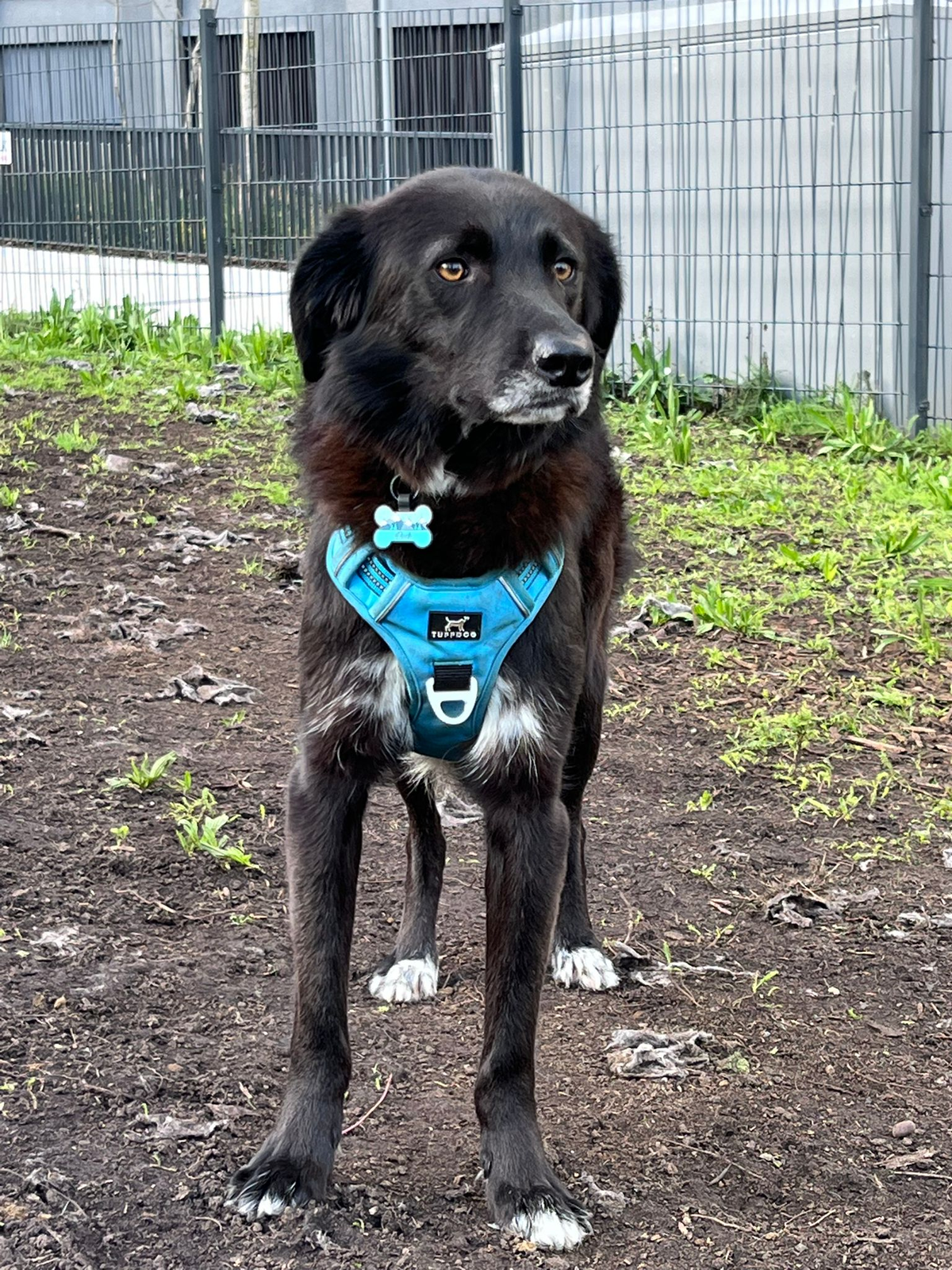
Puck is my rescue dog from Romania(Image: )
In order to bring Lulu to the UK, Max underwent a two-stage adventure, starting with a ferry crossing to Holyhead and finishing with a train journey to the capital.
No airlines currently allow pets in the cabin on flights arriving into the UK from any location, including the Republic of Ireland. With Lulu age, Max didn’t feel comfortable enough to leave her in a plane’s cargo.
“It’s tiring and annoying when in reality you can fly an hour instead of a total journey of like six hours or maybe more,” Max exclaimed.
Nathalie, from Argentina, also shared her frustration over the mountain of paperwork and strict rules she faced bringing Sasha, her four-year-old Vizsla.
Nathalie, who moved from Argentina to Spain for work, before relocating to London for a new job, recalled: “When I brought [Sasha] from Argentina to Spain, of course he also needed to have specific shots and whatever in order to bring him into Europe. But it was a million times easier than bringing him from Spain to the UK.

Lulu had to take a boat to get to London(Image: )
“The most annoying part is that I can’t get him out of the country here on a plane because then I wouldn’t be able to bring him back unless I go through all of that again.” Sasha’s mum had to provide every medical record, get extra UK-specific vaccinations and examinations, and endure long waits at the airport in the UK, where a specialist had to oversee the anxious dog’s arrival, something she said would be nearly impossible to arrange without an expensive company handling it all.
When a dog arrives at a UK airport from abroad, it must undergo mandatory health and document inspections at an official Animal Reception Centre (ARC) before it can be released to the owner. Nathalie consequently shared: “I think the worst part is that a specialised agent [was[ holding [Sasha] there for hours.”
Since Brexit, where a EU pet passport once cost around £60 and was valid for multiple trips over several years, the new Animal Health Certificate (AHC) is single-use and typically costs between £100 and £300 per journey. Each time a pet travels from Great Britain to the EU, owners must obtain a fresh AHC from an official vet within 10 days of travel, and ensure their animal was vaccinated against rabies at least 21 days before the certificate is issued.

Sasha is four and can be a little anxious(Image: )
Pets must also enter the EU through designated Travellers’ Points of Entry for document checks, and dogs heading to countries like Ireland, Malta, or Finland require a tapeworm treatment one to five days before arrival, which must be officially recorded.
In late 2025, the UK government signalled plans to negotiate a “Brexit reset” with the EU, potentially reintroducing a more streamlined pet passport system, but as of early 2026, the current requirements remain in force.
For the latest breaking news and stories from across the globe from the Daily Star, sign up for our newsletters.