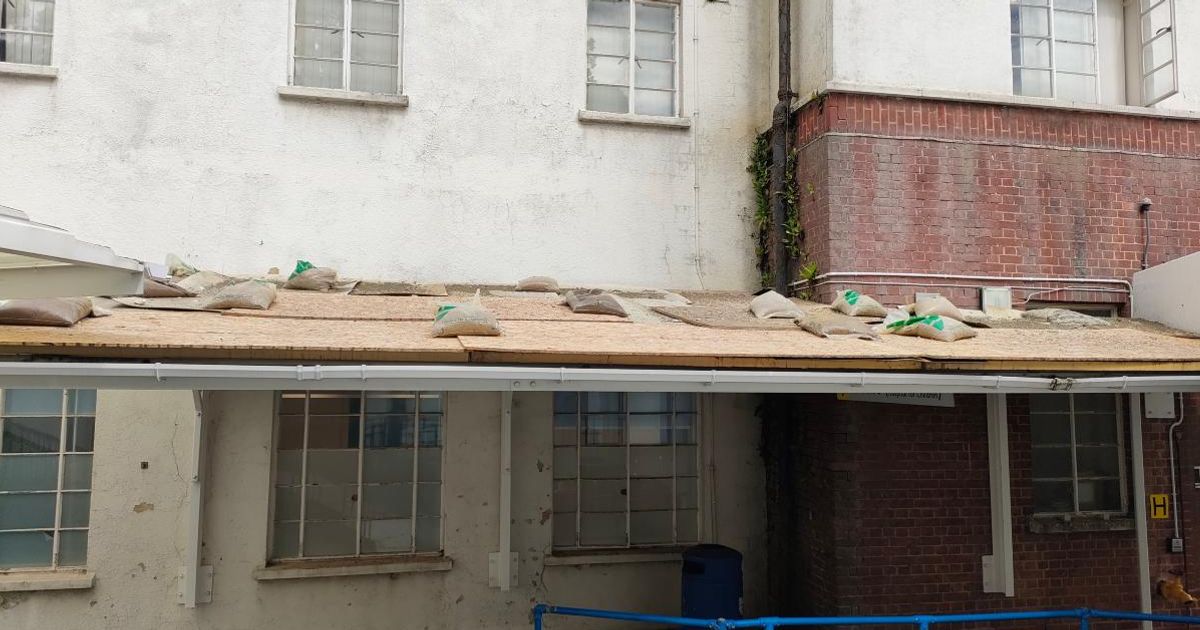
The hospital is also “riddled” with unsafe RAAC concrete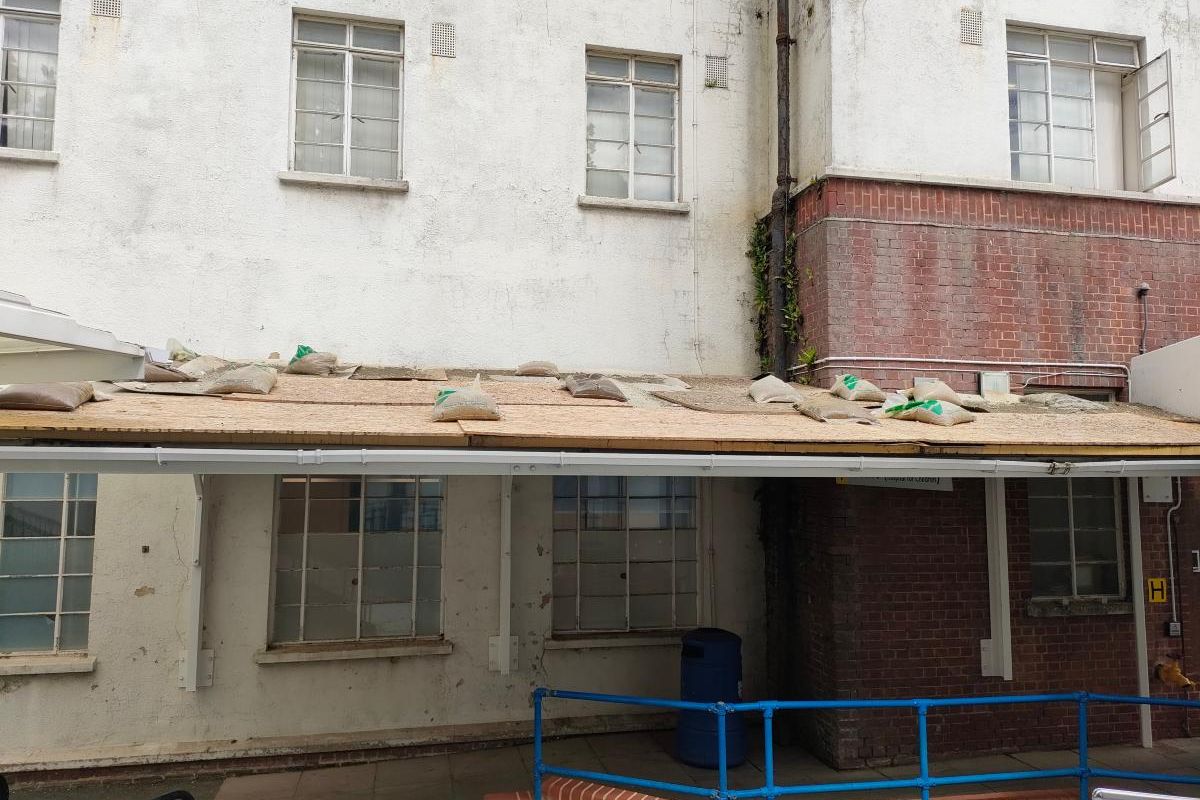
Previous Government funding for improvements to the Epsom and St Helier Hospitals have been descrived as a “drop in the ocean” by local MPs (Image: St Helier Hospital)(Image: St George’s, Epsom and St Helier University Hospitals (GESH))
Work to replace a Surrey hospital that is “riddled” with an unsafe form of concrete and has been described as “not fit for 21st century healthcare” will not take place until at least 2033 according to a report.
There had previously been promises that work at Epsom Hospital and St Helier Hospital in would begin by the end of the decade but a report from the National Audit Office (NAO), a Government watchdog, has indicated that this is unlikely to be the case.
Epsom and St Helier Hospitals, which were among the sites set for rebuilds, have been described by MPs as “crumbling”, “dilapidated” and “not fit for 21st century healthcare”.
Many of the buildings are older than the NHS itself and staff have reportedly had to work in areas with damp mould, leaking roofs, and floods.
In June 2025, it was announced that of the Government’s £750 million in capital funding for 2025 to 2026 to address “critical infrastructure and safety risks” in NHS hospitals, just over £12 million of this would go towards improvements to the hospitals in Epsom and Sutton.
The money is considered a “stop-gap” until full rebuilds can be carried out.
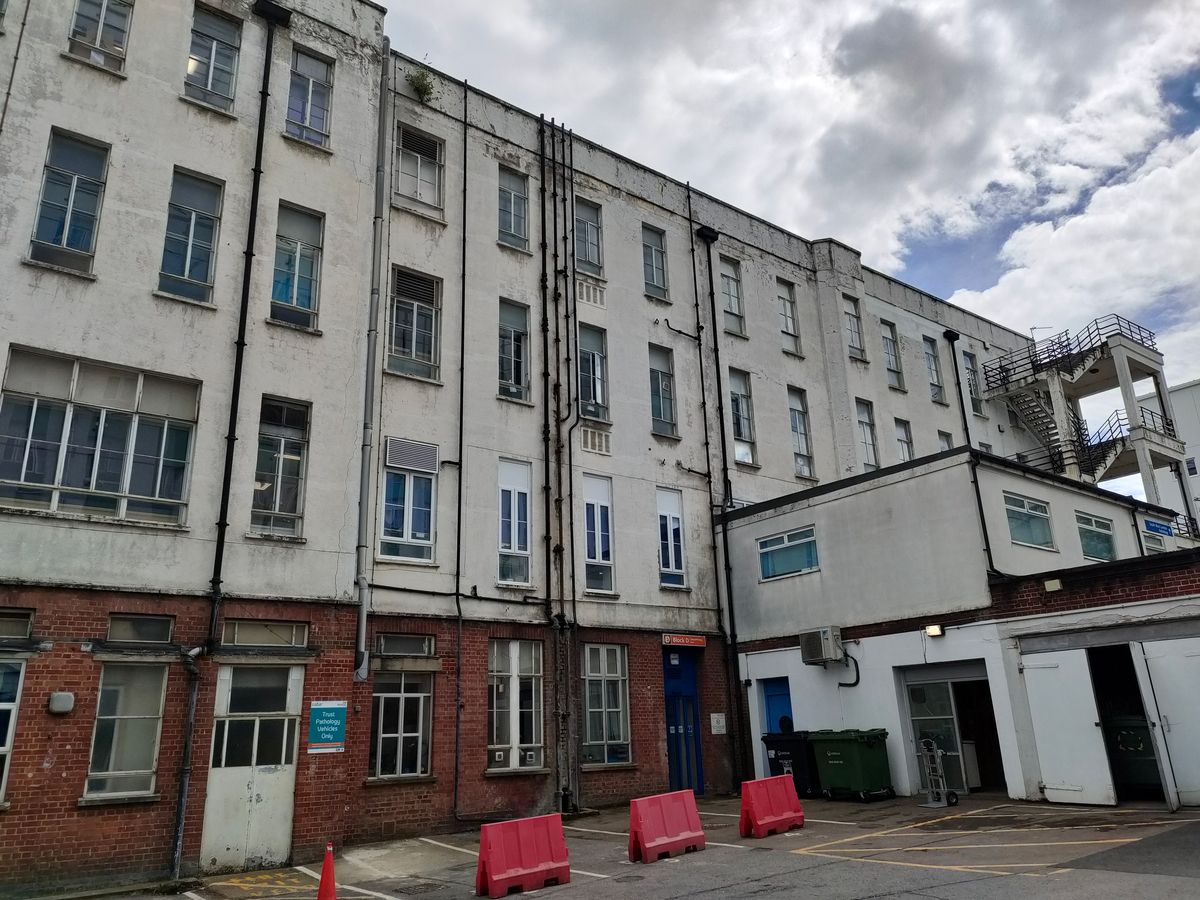
St Helier Hospital in Sutton was founded in 1938, making the most of the buildings older than the NHS itself.(Image: St George’s, Epsom and St Helier University Hospitals (GESH))
At the time, Lib Dem MP for Epsom & Ewell, Helen Maguire claimed this funding would “barely touch the sides” of the repair backlog at the hospitals, which “amounts to £150 million”.
A number of hospitals have completed, or are ongoing rebuilds and improvements away from their existing RAAC-built facilities.
Frimley Park hospital, which is made up of two thirds RAAC and described as “reaching the end of its life”, is due to be rebuilt on a new site by 2028 as part of £2 billion in Government funding.
The wait for a rebuild of the Epsom and St Helier hospitals is set to be a much longer one and even longer than previously anticipated according to the National Audit Office (NAO) in its report from January 16, 2026.
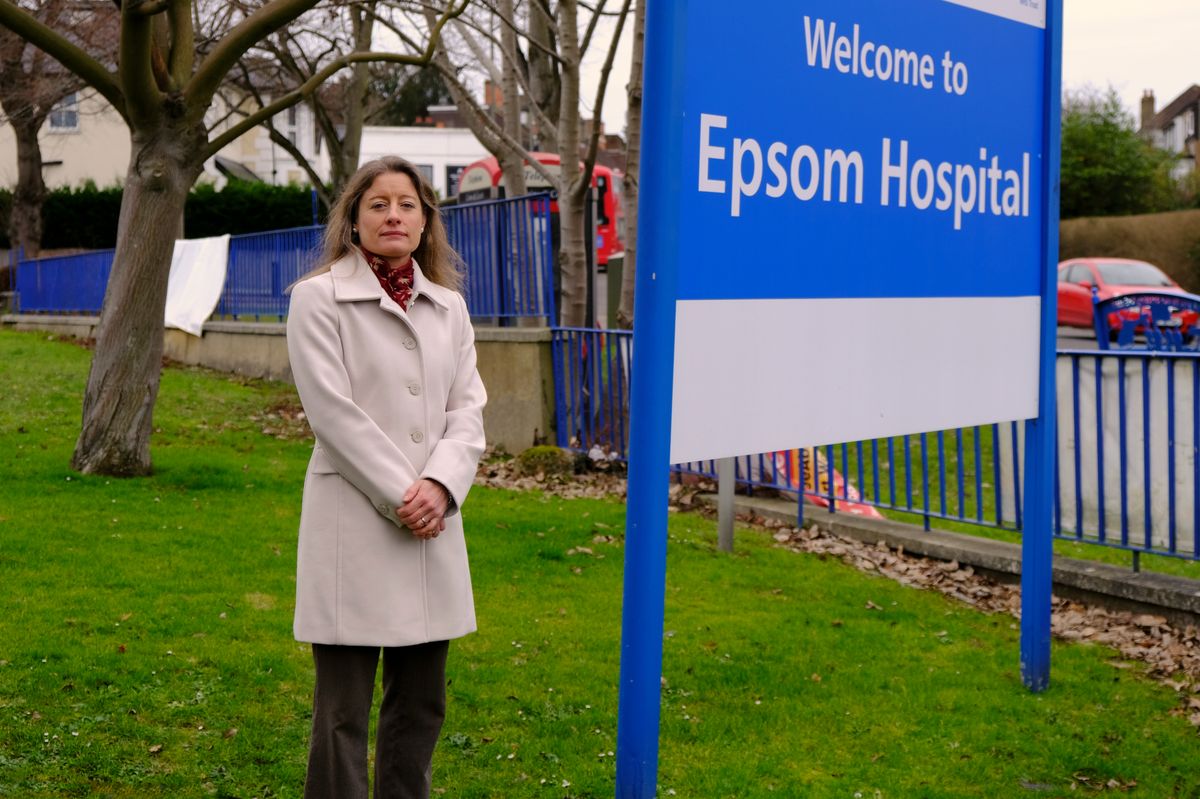
Liberal Democrat MP for Epsom & Ewell, Helen Maguire standing outside Epsom Hospital(Image: Helen Maguire MP)
Following the news of the anticipated delays to the hospital improvements, Ms Maguire shared her disappointment.
She said: “It is truly shocking that patients are having vital treatment delayed because our hospitals are unsafe and underfunded. It is unacceptable that patients not only have to worry about their treatment but falling masonry and sinking floors.
“The Government must go further and faster to deliver safe, modern hospitals in Surrey. Patients don’t need more delays, they need urgent action, long-term funding, and a guaranteed programme to fix, rebuild, and replace hospital buildings.
“Conservative chaos and Labour inaction has brought these hospitals to their knees. It has to stop. The Lib Dems are calling for immediate funding for already committed projects and a 10-year investment plan to secure the high quality buildings our NHS needs in Epsom & Ewell and beyond.”
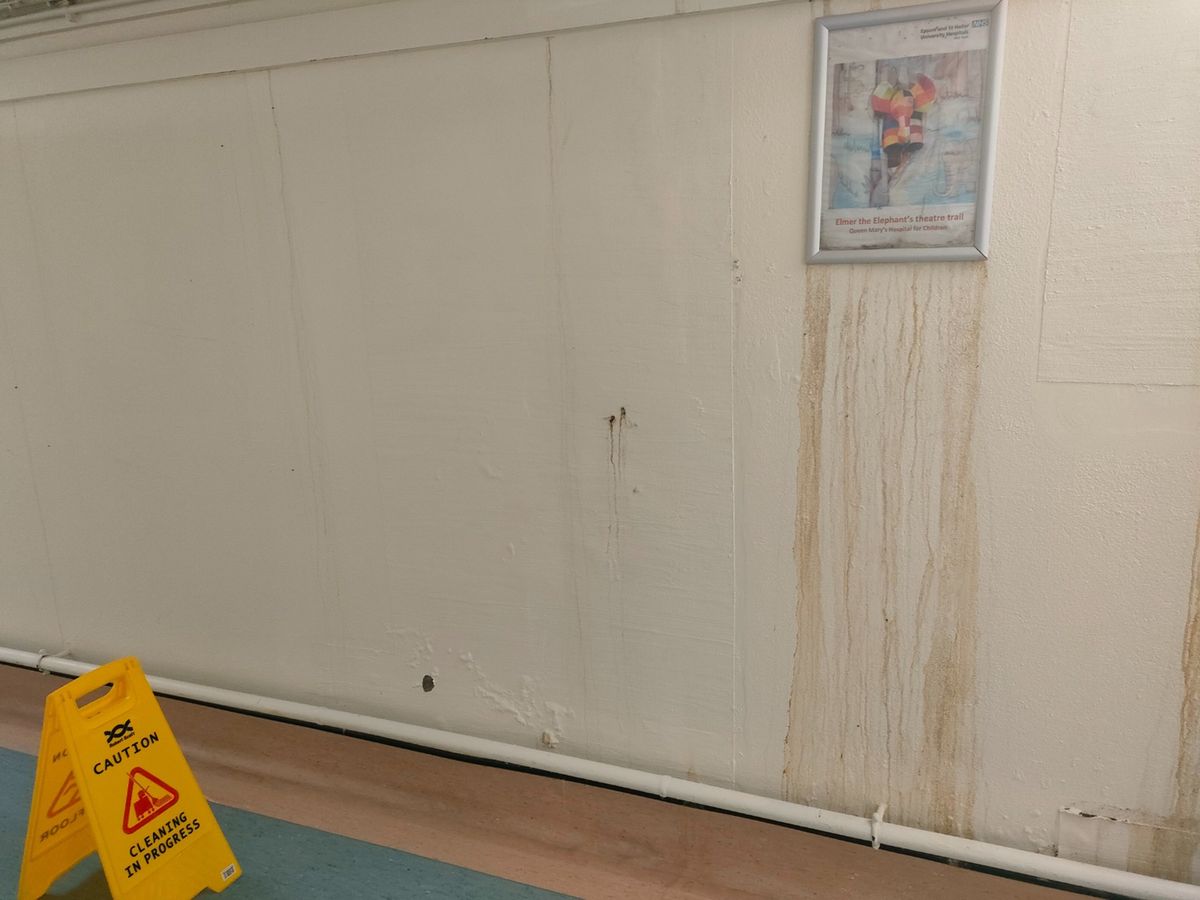
Images of the hallways in St Helier’s Hospital, where staff are reportedly working in areas with damp mould, leaking roofs, and floods.(Image: St George’s, Epsom and St Helier University Hospitals (GESH))
In January last year, when it was first rumoured that Epsom and St Helier would have to wait past 2030 for the rebuilds, following an announcement from Health Secretary, Wes Streeting, Dr James Marsh, deputy chief executive of St George’s, Epsom and St Helier University Hospitals (GESH), said: “After decades of false promises, the people of southwest London and Surrey have been let down once again.
“We have already had to condemn and demolish one of our wards. It’s only a matter of time before other parts of our hospital become unsafe for treating patients.
“We now need to plan and prepare for the catastrophic failure of our buildings which could mean moving patient care into temporary buildings.
“If the health secretary thinks we can continue to care for patients for 10 years in this building, we invite Wes Streeting to come and see the state of the estate himself.”