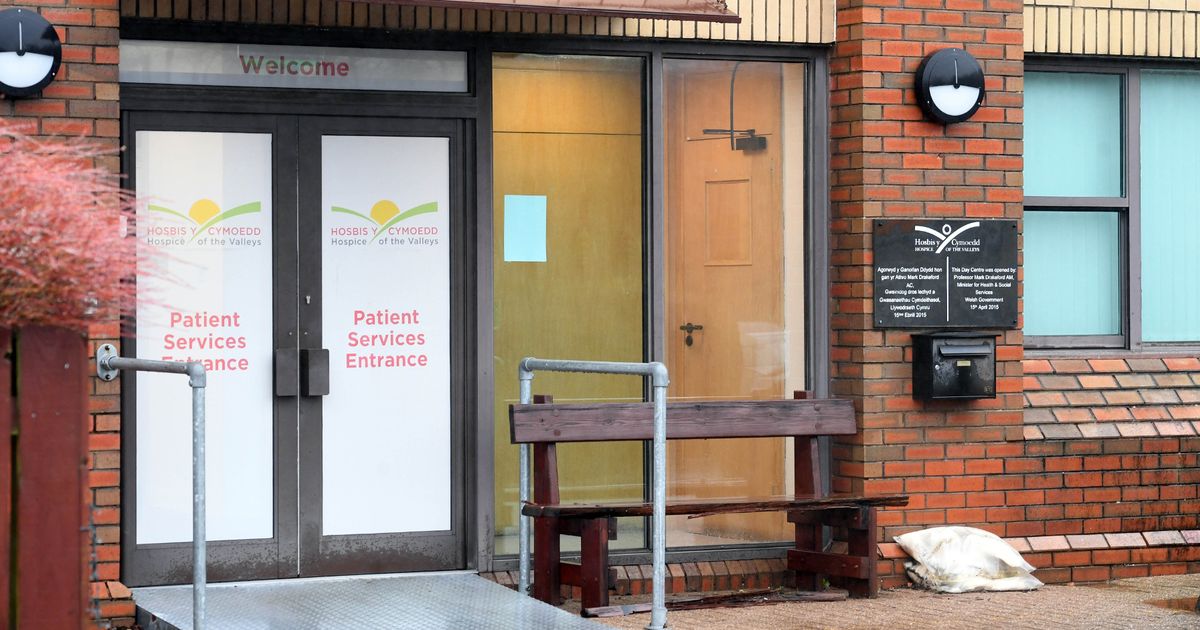
The hospice sector is 70% charity donation funded, ‘but this reliance on the generosity of the public is unsustainable’, says Hospice UK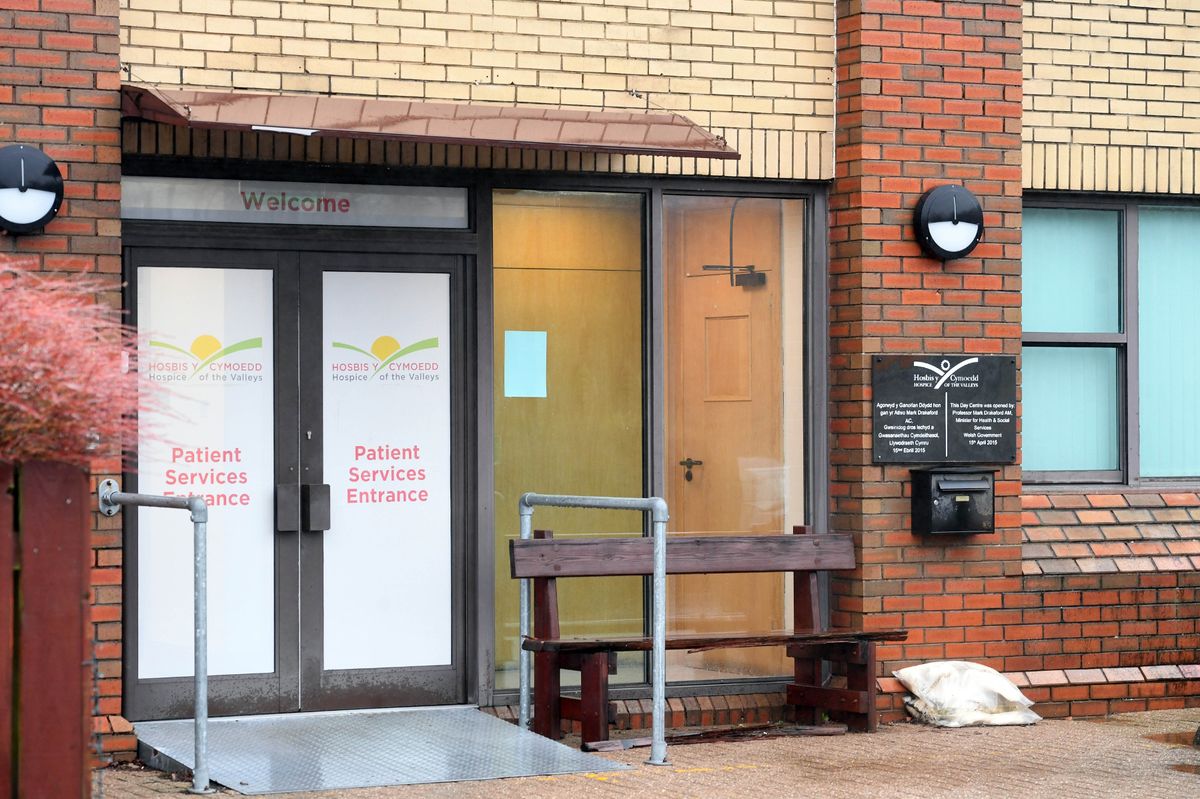
Hospice of the Valleys in Ebbw Vale(Image: WalesOnline/Rob Browne)
“I’ll be honest, I’m petrified of dying; not knowing how or when.” These are the words of Welsh hospice patient Janet Parker. The 69-year-old from Ebbw Vale started receiving palliative care in 2023 after her long-term condition, scleroderma, worsened and began affecting her lungs.
A wife, mother-of-two, and grandmother-of-one, Janet is being cared for at home by nurses from Hospice of the Valleys who enable her to stay close to her family. She is speaking to WalesOnline at a time when many hospices across Wales are facing serious financial difficulties.
In the past year Shalom House Hospice in Pembrokeshire has closed and a four-bed inpatient unit at St David’s Hospice in Holyhead has been shut temporarily, due to the combination of increased running costs and funding difficulties. For the biggest stories in Wales first, sign up to our daily newsletter here
On average, 70% of the care costs of delivering hospice services are funded by charitable donations (about £30m), with the remaining 30% provided by Welsh Government and health boards.
Charity Hospice UK says this model is “unsustainable” and is urgently calling for Welsh Government and health leaders to protect vital end of life and palliative care services.
Janet, who is on 24/7 oxygen, told us that being without hospice support at this difficult time in her life didn’t bear thinking about. She said not only did it make her feel “safe”, but it gave her peace of mind knowing her family had specialist support.
“If services weren’t there I think I’d miss the fact that there would be nobody there if I couldn’t get in touch if I needed them,” she said. “It’s a big part of your life because you’ve always got that little reassurance.
“When I first became ill I was frightened to say the least, thinking this is it now? Is this the end? It’s not so much the dying bit but it’s what you leave behind. I have a lovely family: two sons and a fabulous grandson.
“I talk to the hospice about this and they are well aware of my feelings; they have been fabulous with my family. You know that you’ve got these people who work tirelessly and are at the other end of the phone if and when you want somebody – they say even if you just want a chat, ring us. It’s reassuring to know there are people outside your family who care.”
Worryingly, a survey conducted by charity Hospice UK, published in January, 2026, found that of all 14 voluntary hospices in Wales, nearly 30% were reducing their number of inpatient beds or wider services as a result of increasing costs and workforce pressures.
It found that more than 70% of those with in-patient units agreed that cost-of-living pressures were likely to result in one or more beds becoming temporarily or permanently unavailable.
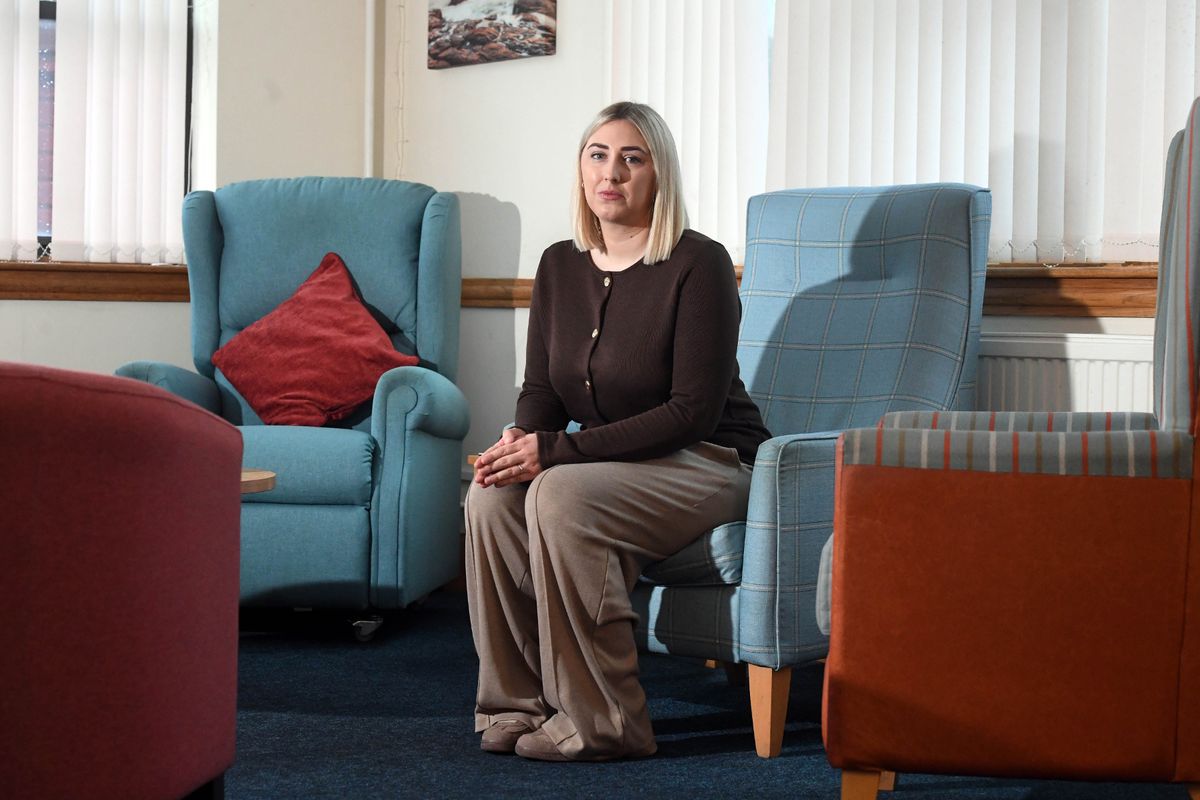
Keesha Rees(Image: WalesOnline/Rob Browne)
Keesha Rees is a specialist community palliative care nurse who cares for Janet. She says she’s acutely aware of what impact a lack of funding could have on healthcare in Wales if the trajectory continues.
“I feel that dying is just as important as somebody giving birth,” she said. “It has to be done right, it’s got to be compassionate, it’s got to be holistic.
“When someone dies it’s very final and you can’t get that wrong because it’s going to be distressing for the patient and it sits with their families forever.”
Keesha has worked as a palliative care nurse for the last eight years, while before that she worked as a district nurse.
She said hospices supported the whole NHS system, and that without this layer of care patients across the board would be negatively impacted.
She explained: “What I’m most worried about is that demand in the primary services – such as GPs and district nurses – is huge. We are seeing the impact on our service because of it.
“Without hospice support I just don’t think the patients would have anywhere near the support or management. I think there would be more hospital admissions, people would be deteriorating and they would be ending up in the wrong place at the wrong time.
“For example, a patient with a respiratory illness like Janet could instead ring up her GP. With her condition [which could cause chest pain and difficulty breathing] 90% of GPs would say that she has to ring an ambulance.
“However, in a palliative care context that is not the right answer every time.There would definitely be an increase in hospital admissions. There would be no service for end of life patients who want to be cared for at home.”
She said that hospice staff “fill a gap” within the healthcare system. “Statutory services are over worked anyway. If patients can’t get through to that service we fill a gap there because they will ring through to us.
“It might be a non-palliative care issue but they are accessing us because we are easier to access. Some are people saying they have been trying to get through to their GP for more than an hour and they need to speak to someone. We can spend half an hour plus of our time trying to coordinate care for a patient.”
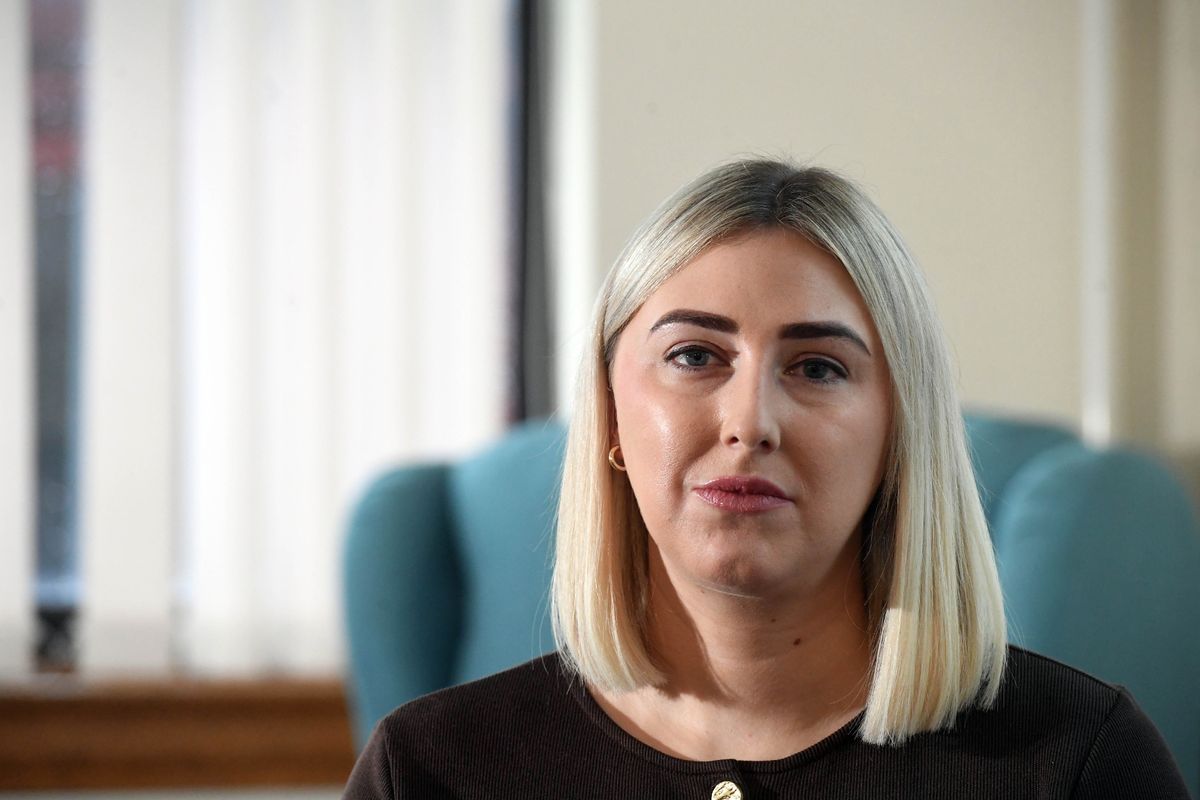
Keesha said hospices had an important role in reducing pressure on our primary services(Image: WalesOnline/Rob Browne)
She said that while hospice workload was higher than ever before, their resources were more stretched than ever before. “We have reduced staffing levels because of the funding, caseloads are growing because more people are wanting to be cared for at home rather than in hospital.
“And given the current crisis hospitals in Wales are in a critical condition so there’s no room for people to go in. They try to send more people home and we have limited access to certain equipment because we don’t have the funding for it
“Our role is supposed to be 80% patient facing and 20% for our own education and educating families and primary care professionals [such as non-specialist district nurses].
“We haven’t been able to do that as we’ve just been too busy; patient care has to be the priority. Then we also have burn out – not just our nurses but our community teams and hospitals too.”
Matthew Brindley, policy and advocacy manager Wales at Hospice UK, said that while the Welsh Government had promised a welcomed funding solution, action was urgently needed to safeguard the future of palliative care services in Wales.
He said: “Hospices are part of Welsh communities. The type of care and support they provide in hospice buildings and to people in their homes is absolutely essential.
“Right now, roughly 70% of hospice care costs are funded by charitable donations, but this reliance on the generosity of the public is unsustainable.
“The Welsh Government has committed to developing a funding solution which is welcome – but urgent action is needed by the current and next Welsh Government to realise this ambition and safeguard hospice and palliative care services for now and the future.
“If we don’t do this, we could be looking at more services closing, loss of specialist staff and – crucially – people with life-shortening conditions and their families having less access to the compassionate and high-quality care they need.
“We have an opportunity to make sure hospices and palliative care services are available to people who need them for a long time to come – but we have to act on it now.”
A Welsh Government spokesman said: “We recognise the important contribution that hospices make to end of life care in Wales and are working with them to better understand the challenges they are facing.
“Investment in hospices has increased substantially over this Senedd term, including an additional £5.2m annually and more than £9.5m in one-off grants, helping the sector to meet rising costs and maintain vital services.
“Work on a new hospice commissioning approach is ongoing to ensure fair access, long-term sustainability, and high-quality care across Wales.”