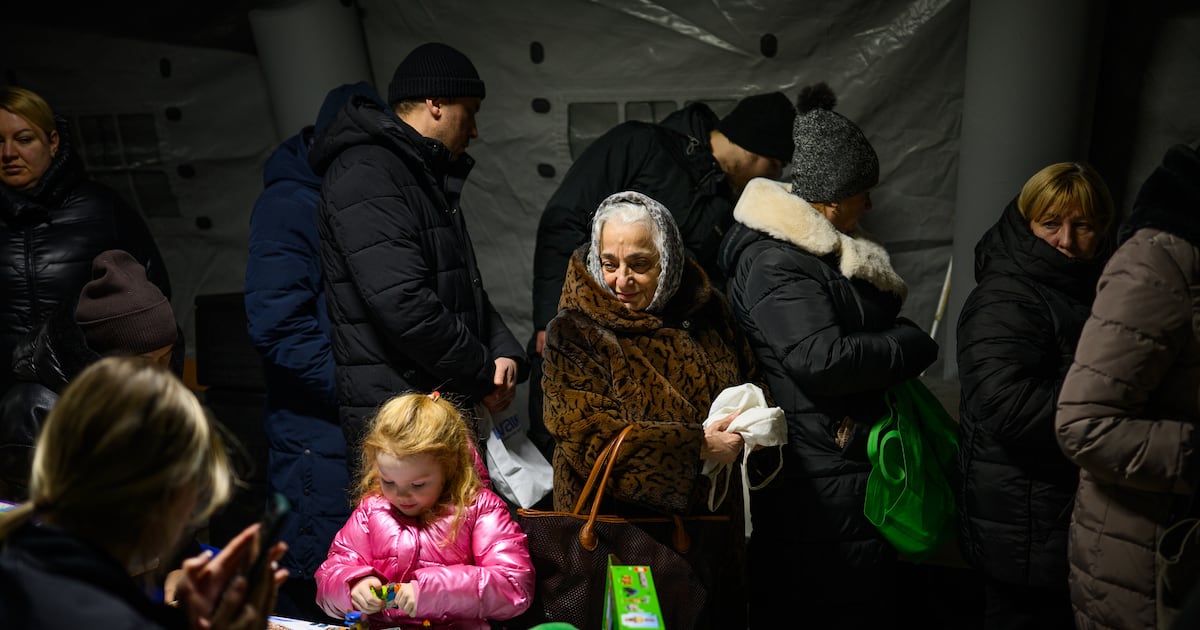
As usual the Russian prelude to Ukraine “peace” talks is a brutal reminder of its power, and so the first three-way peace talks this weekend between Russia, Ukraine and the US were ushered in by a wave of drone attacks on Kyiv, striking its battered energy system, leaving 6,000 buildings without heating. Freezing temperatures have seen Moscow’s war on civilians entering a new phase, threatening a humanitarian crisis.
In Abu Dhabi, the two days of talks were described as positive and constructive by both sides with all agreeing to “report back to their capitals” and resume discussions as soon as next Sunday.
The draft 20-point peace plan under discussion originated in the autumn as a proposal negotiated between the US and Russia. It has since been revised several times, with input from Ukraine, the US, European states and other countries. The Ukrainian side said yesterday that headway had been made on the critical area of US security guarantees. It remains to be seen if these can be tied down. While several European states have expressed a willingness to base troops inside Ukraine to monitor any ceasefire, the US has so far not been prepared to provide such guarantees which Kyiv sees as essential. Russia rejects the basing of any Nato troops on Ukrainian soil.
Moscow continues, moreover, to insist on the complete withdrawal of Ukraine from the Donetsk region, including territory and cities which Kyiv continues to hold. President Putin, although taking heavy casualties for small advances, argues that Russia is winning the war and that his military is prepared to fight until it has achieved all of its objectives.
President Volodymyr Zelenskiy has suggested turning Donetsk into a demilitarised zone overseen by international forces if Russia will also agree to a parallel pullback. Russian officials insist on standing by what they claim to be an agreement reached between Trump and Putin at the summit in Alaska that Ukraine would surrender unconquered territory in the region.
Critical to any pressure on Putin remains the inconsistent and ambiguous position of US president Donald Trump. Although he has apparently been prevailed upon to pull back from the seizure of Greenland, he still shows no sign of willingness to confront Putin, and his insistence on the right of the US to seize control of a strategically important neighbour has strengthened the Russian president’s rationale for the attack on Ukraine.
Ukraine’s European partners remain excluded from the talks despite their centrality to any prospective deal and the repeated insistence by Washington that Ukraine is Europe’s problem. Central to the viability of any deal will be agreement to EU membership, and key roles in both reconstruction and security guarantees. The EU must be given a place at the table.