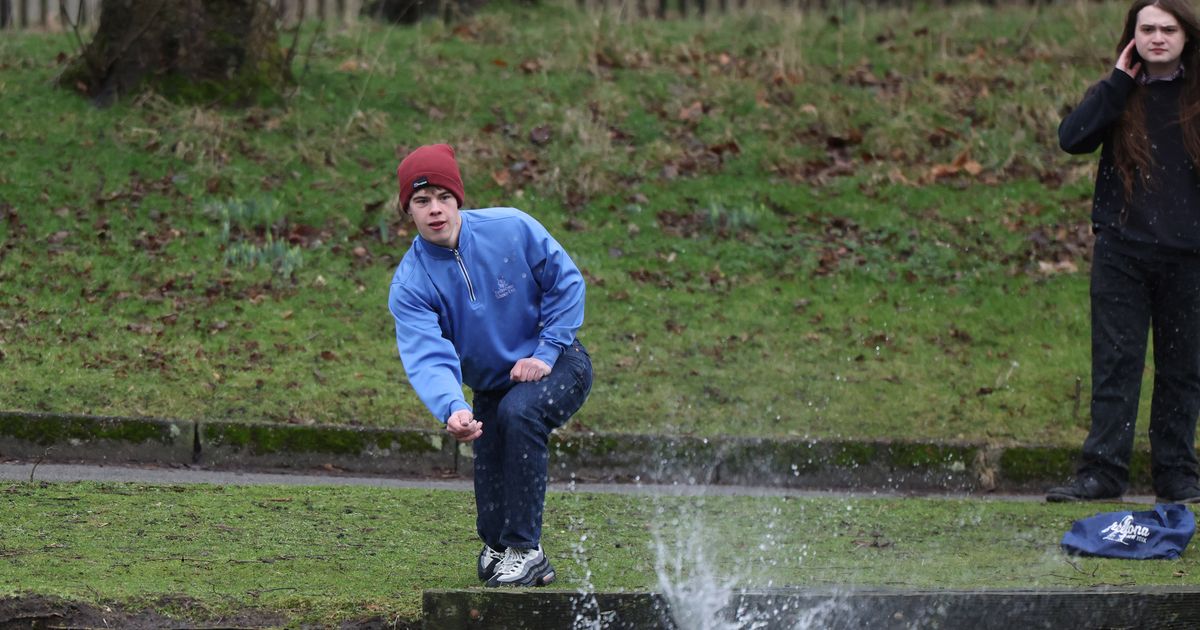
“I was a bit scared at first, because it’s something you can be quite easily judged for doing, because it is obscure and not many people do it”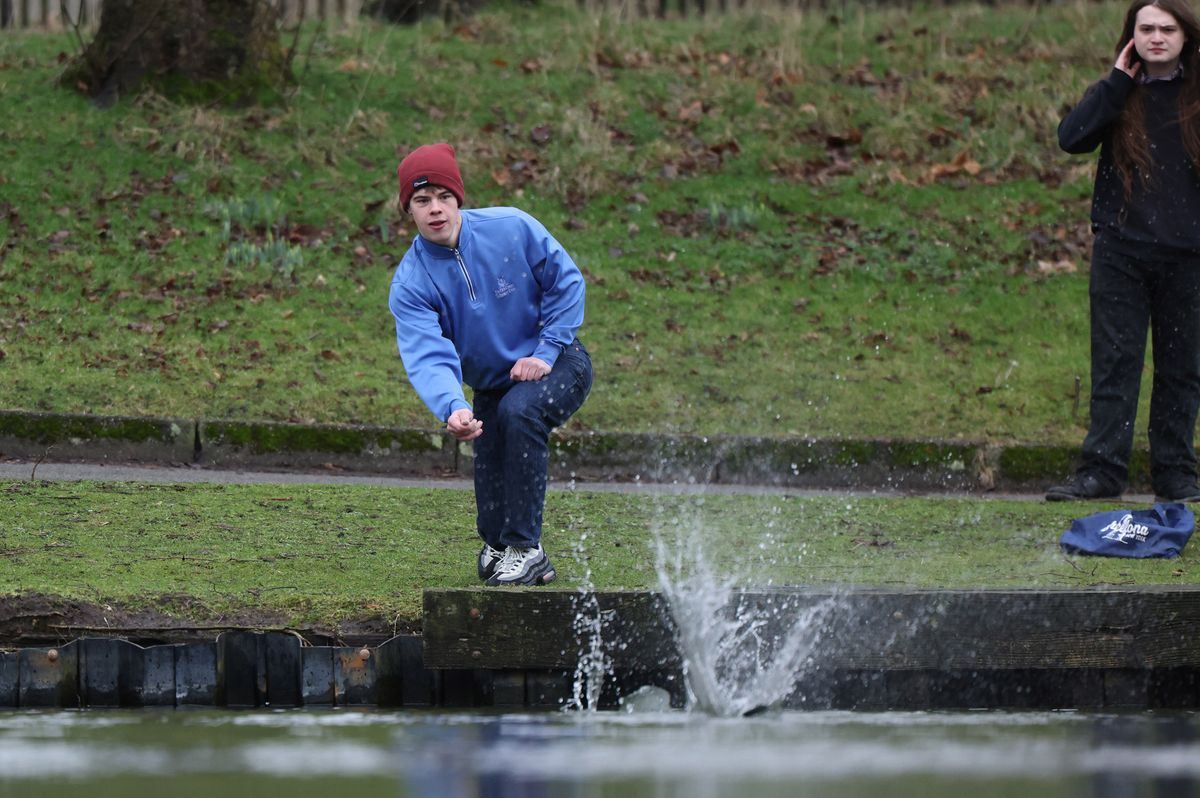
Joel Lewis skimming stones in Greenbank Park(Image: Liverpool Echo)
A chat between students outside a pub led to the formation of one of Liverpool’s quirkiest socieities. Joel Lewis, 22, said his plan to start the Liverpool Stone Skimming Society originally came about after wanting to get all of his friends together to watch his favourite film.
Joel told the ECHO: “I like this one film called Koyaanisqatsi, it was made in 1982 and we [him and friends] really wanted to watch it on a large screen, but we don’t have that in any of our houses, it just started from a love of the film.”
He added: “The film is about how humans become tied to the use of technology without even realising it, and it’s like an escape from all that stuff.”
The film, which is the first in a trilogy by American director Godfrey Reggio, is a non-narrative feature length documentary which looks at the quickening shift towards the use of technology in the US during the early 1980s. In the years since its release, it has gained cult status and has seen new audiences relate to the increasing role of technology in society.
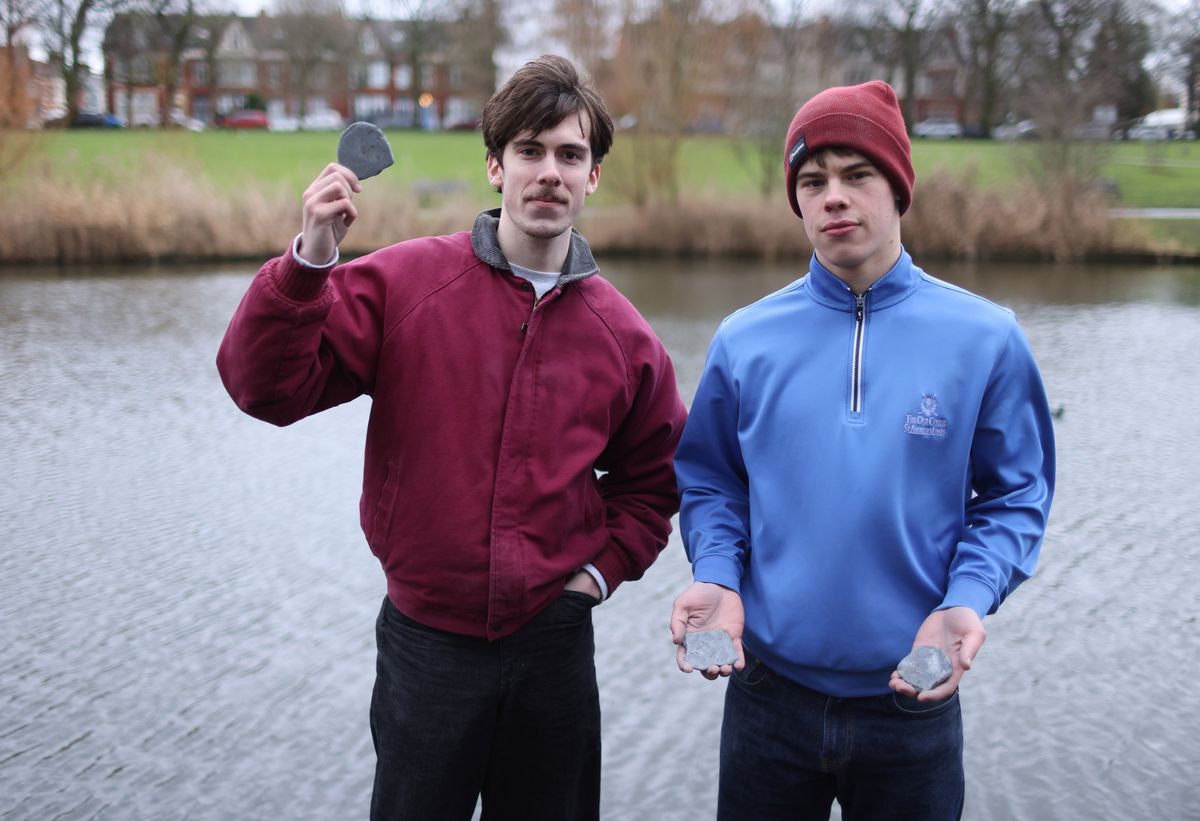
Luca and Joel first met studying physics in the University of Liverpool(Image: Liverpool Echo)
Explaining how his love of the film ties into wanting to start a stone skimming society, Joel said that it was a strong desire to move away from technology. He said: “Stone skimming mixes into it because it’s a very natural act, and the film is about how humans become tied to the use of technology without realising it, and [stone skimming] is an escape from all that stuff.”
After initially bonding over a mutual love of the film with his university friend, Luca Killick, Joel decided to broach the idea of starting a stone skimming society last year. He said: “We were both sat outside the Sphinx pub, quite early in the [academic] year, in the first semester at the university, because we’re on the same course, we both study physics and I just said ‘I skim stones and this is what I do, do you want to come down with me sometime?'”
He added: “I was a bit scared at first, because it’s something you can be quite easily judged for doing, because it is obscure and not many people do it. But he took an instant like to it and came with me, and ever since then he’s been hooked and we both started the society.”
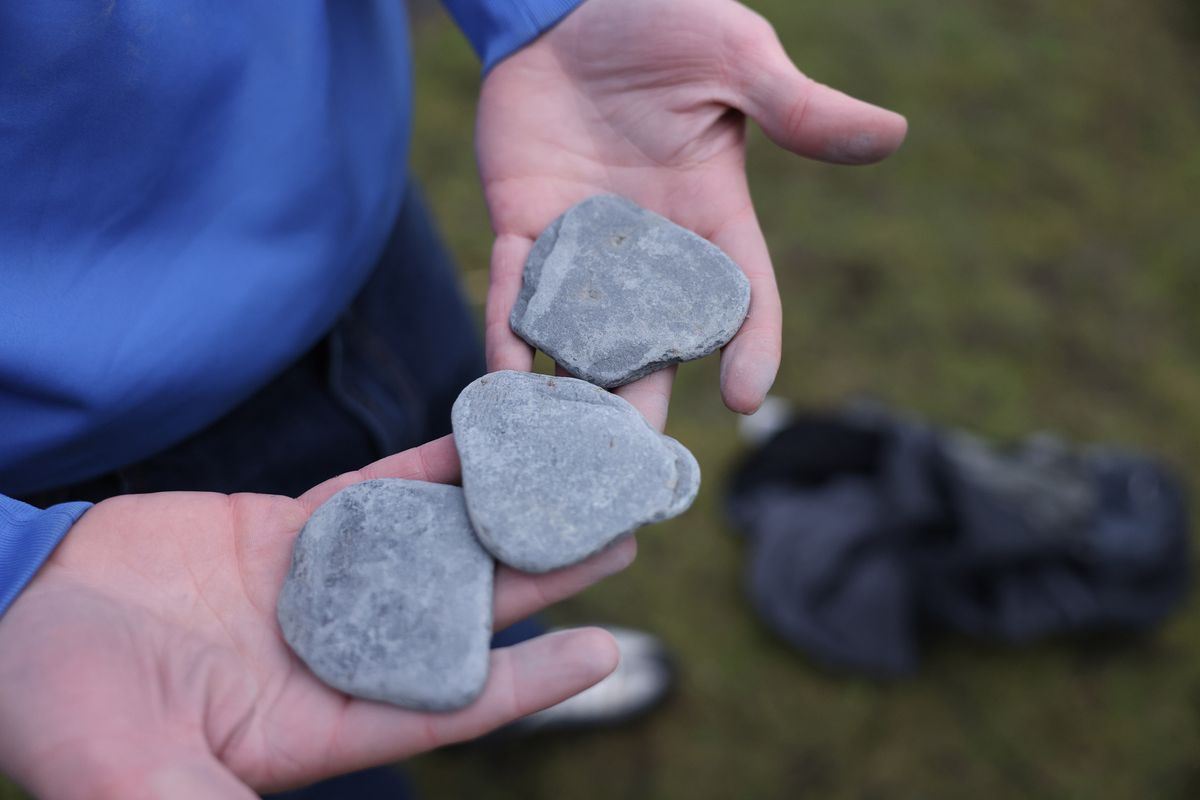
Joel said that he carefully picks the stones from nearby beaches (Image: Liverpool Echo)
Since then, they have hosted semi-regular stone-throwing meetups in parks around Liverpool. In that time, they have built a significant following on Instagram where they share details of their next skimming sessions as well as videos of their recent efforts which have been viewed thousands of times.
Joel said: “We usually bring a wheelbarrow full of stones that we find on beaches near us and then we just post where we’re meeting, then we bring the wheelbarrow and we just start throwing them. Once we’re in the flow of throwing the stones, everything just falls into place, it’s really that simple.”
He added: “A [session] usually takes about an hour depending on how many stones we bring, how many people come and how frequently people throw them. Sometimes people throw them so quickly, but we try and take our time because we put the effort into finding the new stones. It can take hours to find good stones, so we try and explain to people that you shouldn’t throw them willy-nilly, you should try and focus.”
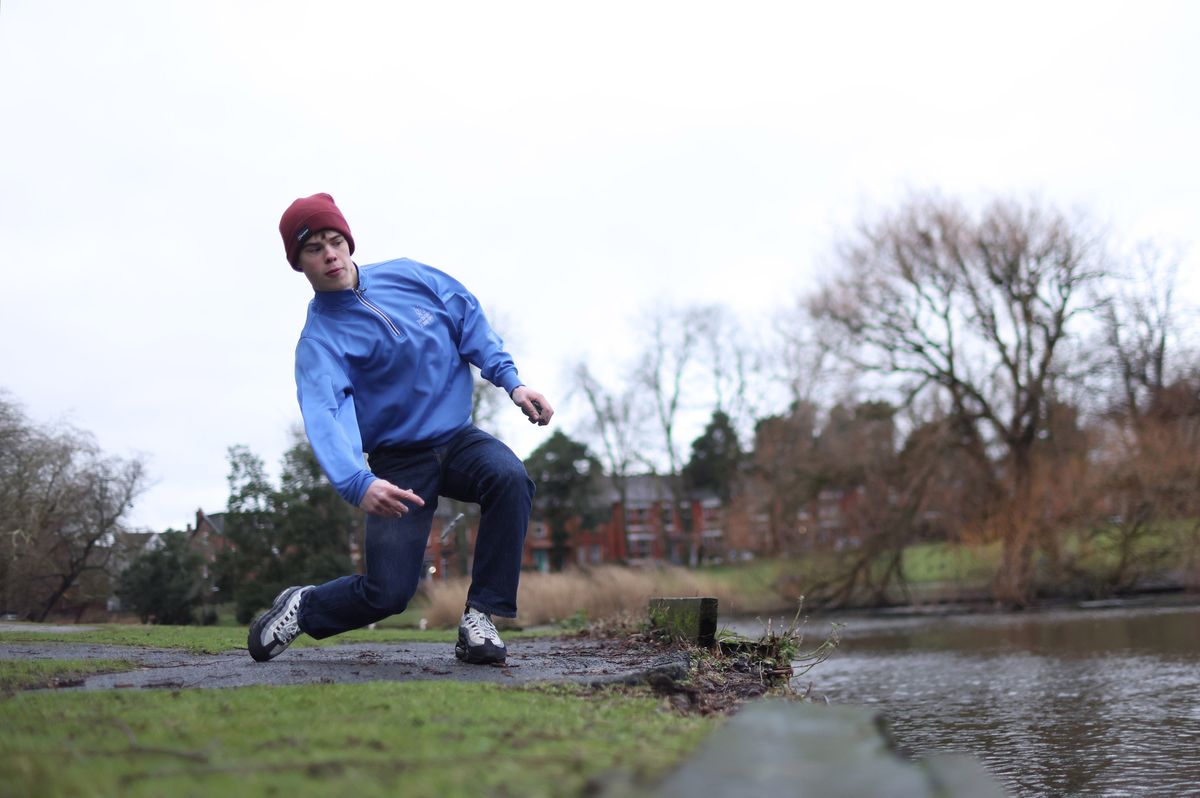
Joel Lewis from Liverpool Stone Skimming Society in action in Greenbank Park(Image: Liverpool Echo)
However, while there is a slight competitive element to it, Joel said that the main aim of the society is to provide a bit of respite from the stresses of their day-to-day lives. He said: “It’s one of those things that while you’re doing it, you can’t really think about anything else. Other stone skimmers say that it is more about forgetting. It’s a form of meditation, all of the problems that you have got in your life, all of the busyness, it just suddenly seems to go on the back-burner and then you’re here skimming stones in the present.”
He added: “There’s no other way to truly skim a stone unless you are truly present and the reward for being present and skimming a stone is the consequence of a fine looking skim. That encourages you to leave what is not important behind and focus on what is now. From there, you just forget about everything else, it’s all about stone skimming.”