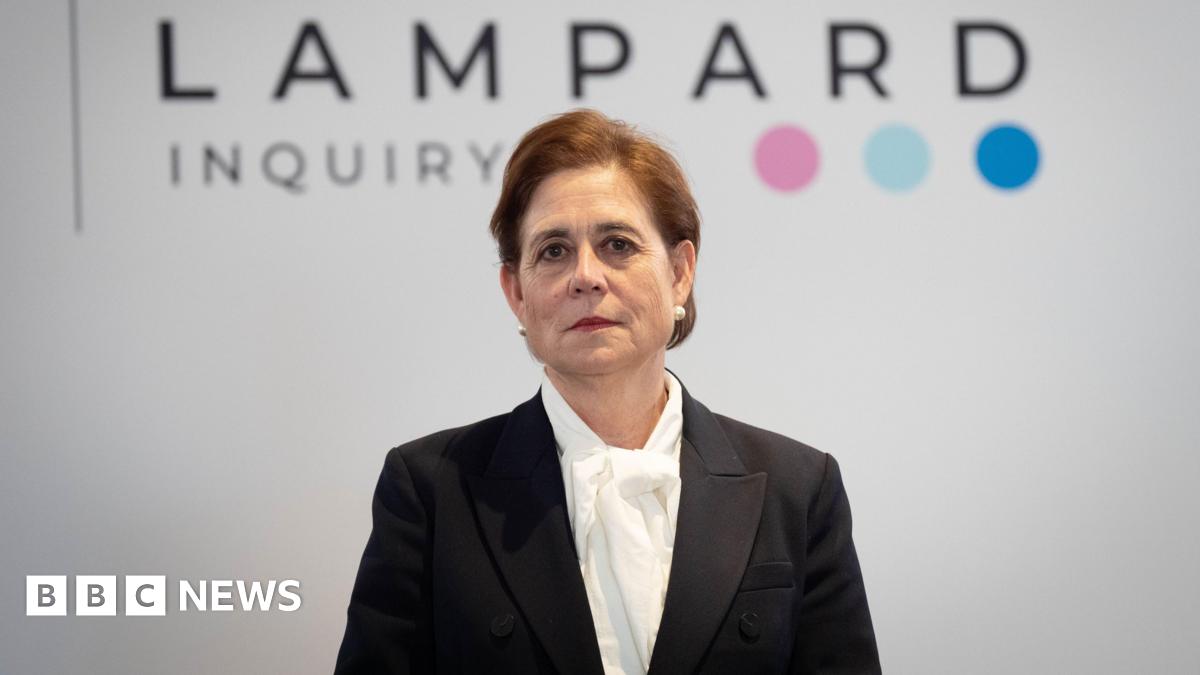
Baroness Lampard said she had also considered a submission from Hodge Jones & Allan (HJA) – which represents more than 120 bereaved families at the inquiry – that “a short pause” in proceedings was “likely to be in the public interest”.
Nina Ali, partner at HJA, said they were “delighted” the inquiry’s timetable had been extended.
But she added they were “extremely disappointed that Baroness Lampard is still refusing to engage Article 2 [of the European Convention of Human Rights] in the inquiry, which protects the right to life and requires a rigorous investigation where deaths may have occurred”.
Ali said the decision “risks limiting the scope of the inquiry, and we would urge her to reconsider”, adding that the inquiry was “too important to get wrong”.
Baroness Lampard said she was “not persuaded” by the points raised by HJA, and she was “satisfied that the approach as set out in the investigative strategy is appropriate and lawful”.
The changes to the inquiry’s timetable mean the first hearing related to systemic issues will now be in July 2026, where themes due to be explored include sexual safety and older adult care.
Two further evidence sessions have been announced for January and April 2027, with closing statements due to run from 14 to 24 June 2027.
Baroness Lampard’s final report and recommendations are now expected by mid-2028, nearly four years after the inquiry started.