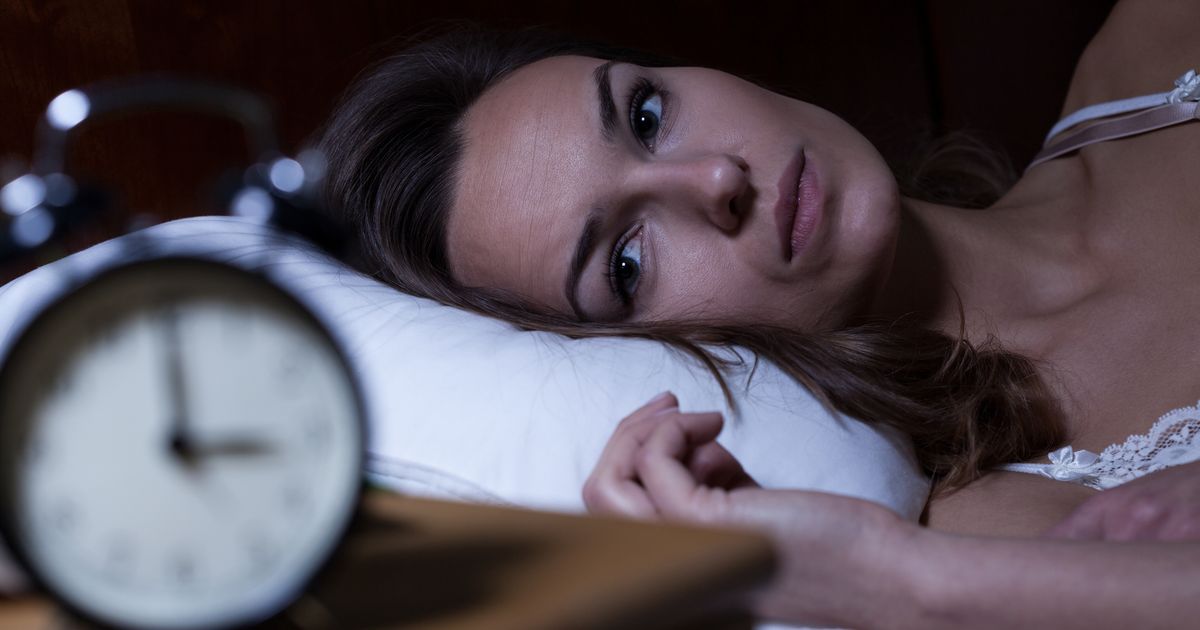
The majority of these women are facing similar issues most nights
13:05, 28 Jan 2026Updated 14:41, 28 Jan 2026
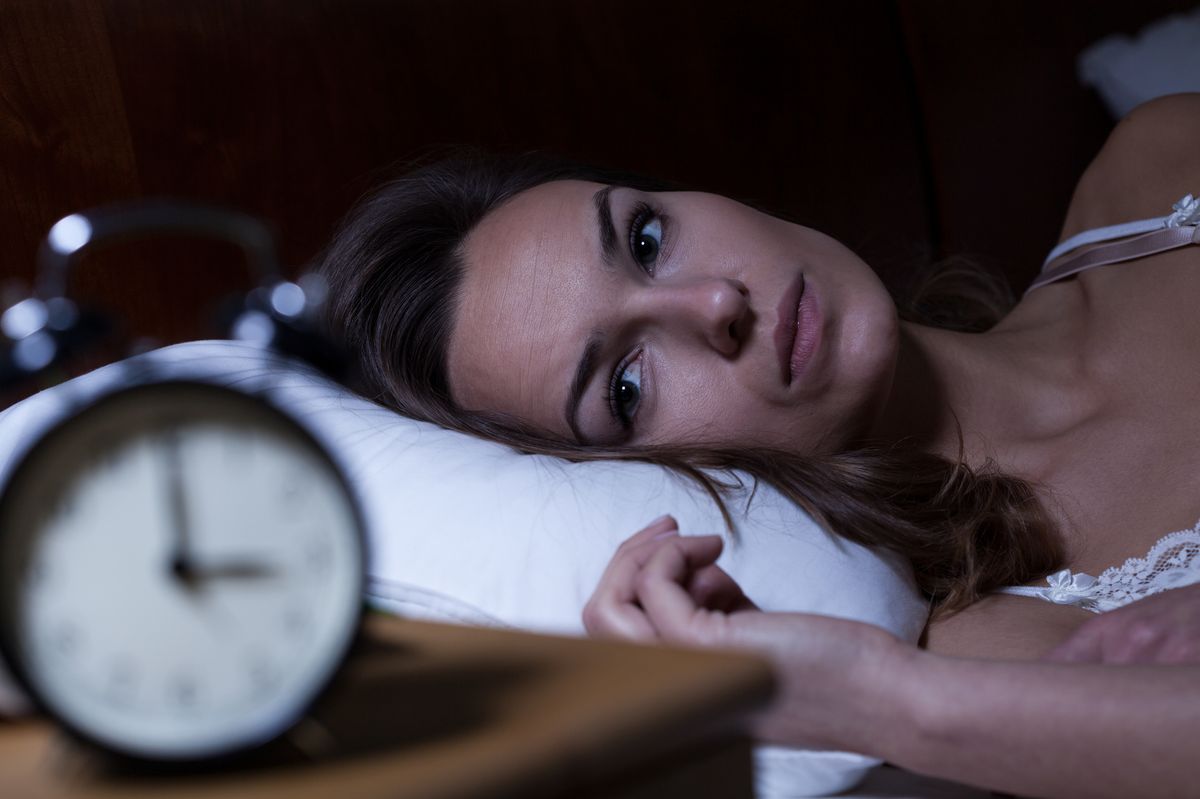
The change usually happens between 2am and 3am(Image: Getty)
Masses of women across the country are waking up around the same time at night for the same reason. For millions of women in their 40s and 50s, the most reliable alarm clock isn’t on their bedside table — it’s a biological one that triggers wide-awake alertness at around 3am.
This phenomenon, increasingly dubbed the ‘3am Club‘, has long been dismissed as simple stress. However, new research and growing research by menopause specialists suggest that this early-morning wakefulness is a complex physiological event driven by a mix of hormonal shifts.
About 13 million people in the UK are either experiencing or have already gone through menopause, which is roughly one-third of all women in the country. Menopause usually happens between the ages of 45 and 55, with most women averaging around 51 years old.
Approximately 80% of people notice symptoms, and 45% of them say these symptoms are hard to handle. On average, these symptoms can last anywhere from four to eight years.
Sleep problems during the menopause transition affect between 40% and 60% of women. The most common issues include waking through the night, early morning waking, and difficulty falling asleep. Poor sleep can worsen other symptoms like mood, anxiety, and brain fog.
Content cannot be displayed without consentKey factors contributing to sleep disruption
- Hormone changes: Lower progesterone and varying estrogen levels reduce sleep quantity and quality.
- Menopause symptoms: Hot flashes and night sweats commonly wake women.
- Other conditions: Increased urge to urinate, low mood, perimenopausal anxiety, and age can all have an impact.
- Sleep disorders: The risk of sleep apnea and restless leg syndrome doubles after menopause, both of which severely disrupt sleep.
The primary culprit behind the nighttime awakening is the body’s management of cortisol, often called the “stress hormone.” Naturally, cortisol begins to rise between 2am and 3am, to prepare the body for the day ahead. In a younger body, high levels of progesterone act as a natural sedative, dampening this signal and allowing sleep to continue.
During perimenopause and menopause, however, progesterone levels plummet. Without this hormonal “buffer,” the brain becomes hypersensitive to the early cortisol surge, according to board-certified OB/GYN Mary Claire Haver, MD. Instead of a gentle transition toward morning, the brain receives a jolt of alertness that mirrors a “fight or flight” response, leaving women staring at the ceiling with a racing mind.
Progesterone normally helps produce GABA (a “calming” chemical in the brain). As progesterone vanishes, you lose that natural sedative, leading to restlessness.
Alongside the issue of cortisol is the decline of estrogen, which plays a vital role in regulating the body’s internal thermostat located in the hypothalamus. Lower estrogen levels disrupt melatonin production, leading to shallow, easily interrupted sleep.
Dr Clare Spencer, a menopause specialist, says when estrogen drops, the brain’s temperature-regulating centre becomes unstable. It misinterprets a tiny rise in body temperature as a massive overheat.
This leads to the dreaded night sweat. Research from Johns Hopkins Medicine suggests that many women actually wake up seconds before the hot flash occurs. The brain detects the internal “glitch” and triggers an arousal signal before the physical heat even hits.
Beyond reproductive hormones, the metabolic changes of menopause also play a role. Fluctuating estrogen can lead to increased insulin resistance. If blood sugar levels dip too low during the night, the body releases adrenaline, which signals the liver to release more glucose. This adrenaline spike is often enough to pull a woman out of the lighter stages of sleep typical of the early morning hours.
Experts suggest that while these wake-ups are biologically driven, they aren’t inevitable. To break the cycle, doctors recommend:
- Hormone Replacement Therapy (HRT)
- Magnesium and diet
- ‘The 15-minute rule’
By stabilising estrogen and progesterone with HRT, many women find their “internal alarm” finally turns off. Magnesium glycinate can support relaxation, while a small, protein-rich snack before bed can prevent the 3am blood sugar crash.
If you aren’t back to sleep within 15 minutes, experts suggest getting out of bed to do a low-light activity (like reading) to prevent the brain from associating the bed with the stress of being awake.

The first sign of the menopause is usually a change in the normal pattern of your periods
Strategies and treatments for better sleep
Mary Claire Haver recommends that a sleep diary (seven days of recording sleep) is useful to find the problem area. A sleep study (polysomnogram) may be indicated for suspected conditions like sleep apnea. Blood tests can detect conditions such as iron deficiency.
She also suggests avoiding caffeine after midday and limiting alcohol, as it disrupts the second half of the sleep cycle, and establishing a good, regular routine, especially for waking time. The health expert urges people to use dimmer lights, avoid screens, take a relaxing bath or shower, and incorporate regular exercise and social activity.
HRT (Hormone Replacement Therapy) can be effective, particularly for treating hot flashes and night sweats, which, in turn, improve sleep. Micronised progesterone is often the preferred HRT choice for sleep issues due to its relaxing effects. Vaginal estrogen can help if getting up to urinate is a problem.
Cognitive Behavioural Therapy for Insomnia (CBTI) is the first-line treatment. It is as effective as sleep medication but has longer-lasting effects and can also help with mood changes and anxiety. Other options include antidepressants and talking therapies.

Most women will experience symptoms of menopause
Comm
- anxiety
- changes in mood – such as low mood or irritability
- changes in skin conditions, including dryness or increase in oiliness and onset of adult acne
- difficulty sleeping – this may make you feel tired and irritable during the day
- discomfort during sex
- feelings of loss of self
- hair loss or thinning
- headaches or migraines
- hot flushes – short, sudden feelings of heat, usually in the face, neck and chest, which can make your skin red and sweaty
- increase in facial hair
- joint stiffness, aches and pains
- loss of self-confidence
- night sweats – hot flushes that occur at night
- palpitations – heartbeats that suddenly become more noticeable
- problems with memory, concentration and ‘brain fog’
- recurrent urinary tract infections (UTIs), such as cystitis
- urge and stress incontinence
- reduced sex drive (libido)
- tinnitus
- vaginal dryness and pain