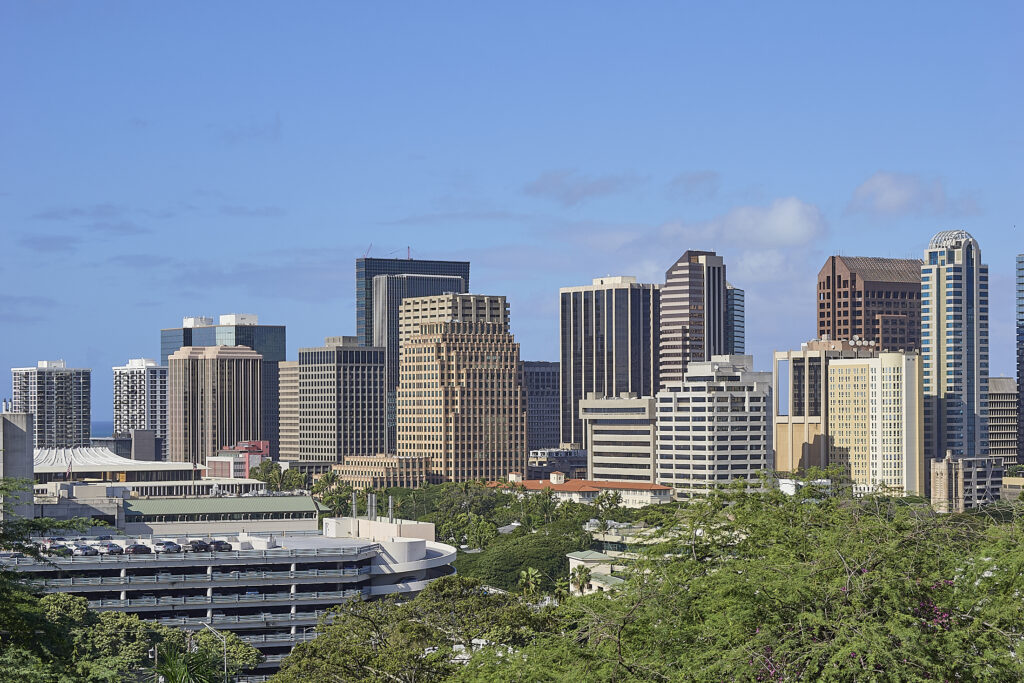
In clinical practice across Hawaiʻi, a consistent and often overlooked pattern emerges among people seeking mental health care: many are functioning well in their daily lives while quietly struggling with persistent anxiety. They maintain employment, care for their families, and appear composed and dependable, yet internally experience chronic worry, physical tension, and disrupted sleep.
This pattern reflects a broader reality — recent statewide data indicate that more than one-third of adults in Hawaiʻi report symptoms of anxiety or depression, suggesting that internal distress is widespread even beyond clinical settings.
Because these individuals continue to meet responsibilities, their distress is frequently minimized — by others and by themselves. Anxiety in high-functioning individuals rarely presents as a visible crisis. Instead, it appears in subtler ways: racing thoughts, difficulty relaxing, irritability, fatigue, muscle tension, gastrointestinal discomfort, and trouble sleeping.

Ideas showcases stories, opinion and analysis about Hawaiʻi, from the state’s sharpest thinkers, to stretch our collective thinking about a problem or an issue. Email news@civilbeat.org to submit an idea or an essay.
Over time, these symptoms are normalized and attributed to stress, personality, or demanding schedules rather than recognized as a treatable mental health condition.
In clinical settings, anxiety is also commonly intertwined with substance use. Many people rely on alcohol, prescription medications, or other substances to manage anxiety symptoms, improve sleep, or temporarily quiet intrusive thoughts.
Because outward functioning remains intact, these coping strategies often go unnoticed and unaddressed — sometimes for years — until they begin to create additional problems. In the Honolulu metropolitan area, approximately one in 10 people aged 12 and older meets criteria for a substance use disorder in a given year, underscoring how common substance-related concerns are within the community.
Cultural and social expectations in Hawaiʻi can further complicate recognition of both anxiety and substance use. Values such as reliability, emotional restraint, and maintaining harmony can discourage people from acknowledging psychological distress or seeking help. Among working professionals, caregivers, and military-connected communities, these expectations are often reinforced by organizational cultures that emphasize endurance, self-reliance, and pushing through discomfort.
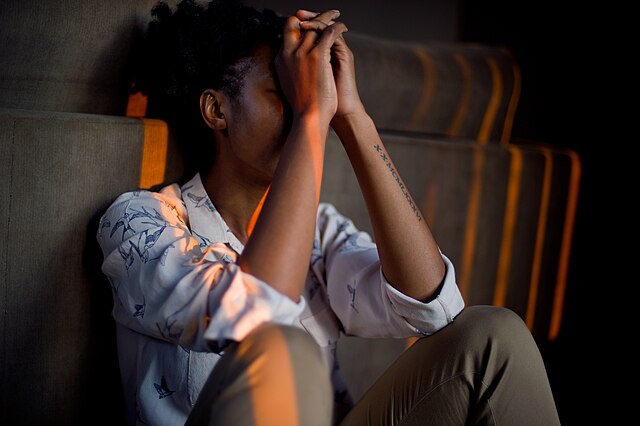 (Creative Commons: Mismiba Tinashe Madando)
When anxiety remains untreated, substance use can gradually shift from situational coping to habitual reliance. Over time, individuals may experience worsening anxiety, increased irritability, sleep disruption, and reduced emotional regulation. This cycle can contribute to strained relationships, health concerns, and diminished quality of life, even when performance at work or home appears unaffected.
Despite these impacts, many people delay seeking care because they believe their symptoms are not “severe enough” or fear that asking for help reflects personal weakness. This perception represents a major barrier to early intervention. Both anxiety disorders and substance-related concerns are highly treatable, particularly when identified early and addressed together.
Misconceptions about mental health and substance use treatment also play a role. Some individuals associate treatment exclusively with crisis or worry about professional or social consequences. In reality, evidence-based care often supports improved functioning, emotional stability, and overall well-being.
Addressing anxiety and substance use early can prevent escalation into more serious clinical, relational, or occupational consequences.
High-functioning anxiety is frequently maintained by coping strategies such as overwork, perfectionism, constant activity, or substance use. While these approaches may provide temporary relief, they are often unsustainable and contribute to long-term burnout. Without appropriate support, individuals may eventually reach a point where previously effective strategies no longer manage symptoms.
It is important to emphasize that anxiety and substance-related concerns are not indicators of personal failure. They are common, treatable conditions influenced by biological vulnerability, environmental stressors, and lived experience.
In Hawaiʻi, where economic pressures, workforce shortages, caregiving demands, and high costs of living place sustained strain on many households, chronic stress can readily evolve into persistent anxiety and maladaptive coping.
Hawaiʻi communities are often described as resilient and strong. However, resilience should not require silent suffering or prolonged distress. Recognizing anxiety and its relationship to substance use among high-functioning individuals allows for timely, preventive care that preserves health, relationships, and stability.
Mental health care is not solely a response to crisis. It is also a preventive and educational resource. Broadening awareness of how anxiety and substance use present — and who they affect — supports healthier individuals, families, and communities throughout Hawaiʻi.

Sign up for our FREE morning newsletter and face each day more informed.
Sign Up
Sorry. That’s an invalid e-mail.
Thanks! We’ll send you a confirmation e-mail shortly.