The BBC is guilty of “shoehorning” diversity into shows like Doctor Who, making them feel “preachy” and “inauthentic”, a report has said.
The report, commissioned by the corporation, found large swathes of the audience believe it tried too hard to represent diverse groups in its programming.
They highlighted an Agatha Christie mystery being laced with “anti-colonial struggles”, alongside its country-house murder. The authors said that “unless it’s very skilfully done”, it can appear “overly didactic and preachy, as if the viewer is being lectured or a point is being made heavy-handedly”.

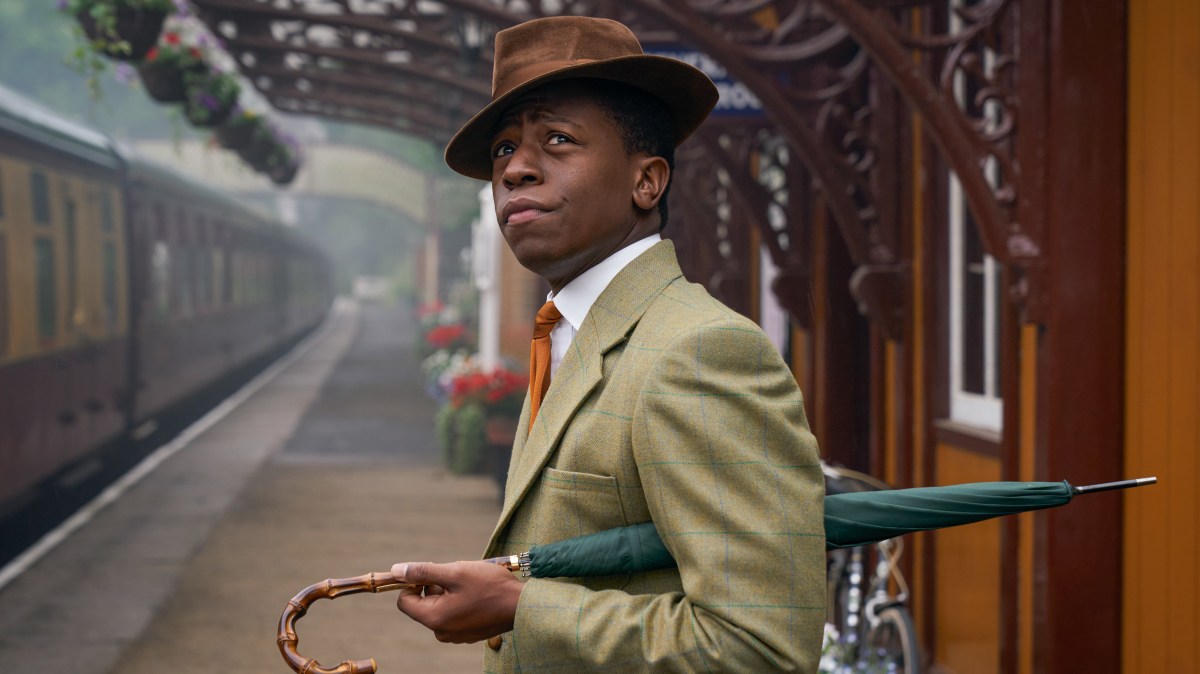
Ncuti Gatwa, right, a Rwandan-Scottish actor, portrayed the fifteenth doctor in Doctor Who for two series
LARA CORNELL/BAD WOLF/BBC STUDIOS
It added: “Often when something appears clunky it is because … the diversity seems superimposed rather than arising out of the subject matter.”
The report did praise the broadcaster for being more “inclusive and authentic” in its portrayal of communities in Britain in recent years. “In fulfilling its duty fully to reflect the UK, depicting diversity remains hugely important — the BBC is at the heart of portrayal and representation,” they said. “Audiences overall feel more satisfied than not with their portrayal and representation in its content.”
The report quotes a survey of 4,500 adults. A third of those polled said the BBC tries too hard to represent different groups, slightly outweighed by those who think it is doing a good job.
• Male, pale and stale travelogues lack diversity, report says
In the 12 months to April 2024, eight of the BBC’s 24 original dramas featured black or mixed-race leads, with the remainder starring white protagonists. The report was written by Anne Morrison, a former Bafta chairwoman, and Chris Banatvala, a consultant and member of the Sky News board.
Friction amongst audiences was particularly prevalent around historical dramas. Complaints were received about Sir Isaac Newton being played by a mixed-race actor in Doctor Who, as well as casting decisions in Great Expectations.
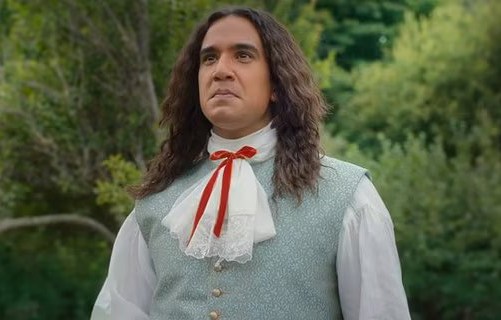
Nathaniel Curtis played Isaac Newton in Doctor Who in 2023
BBC
Defending the decisions, the authors noted that all adaptations change the original text, the shows are fictional and that theatre has long embraced colour-blind casting.
“Without colour-blind casting, the range of roles available to actors of colour would be severely restricted, in a way which would not be the case for white actors,” it said.
• BBC will let star pundits appear on Gary Lineker’s podcast at World Cup
“In Doctor Who, if we can ask viewers to believe that the central character is an extra-terrestrial being who can regenerate into a range of different actors … a mixed-race Sir Isaac Newton seems much less of a stretch,” it added.
‘Avoid tick box diversity’
Shetland, a crime drama on BBC One which first broadcast in 2013, was highlighted as a prime example of “over-representation” of people of colour.
Scotland has a tiny proportion of non-white politicians and detectives but the popular series has featured three successive leads of colour and a diverse police force.
“It could be said to provide inspiring role models for young people of all racial backgrounds. Or it could breed complacency that there isn’t a problem about the number of ethnic minorities in senior roles such as these, when in fact there is,” the authors said.
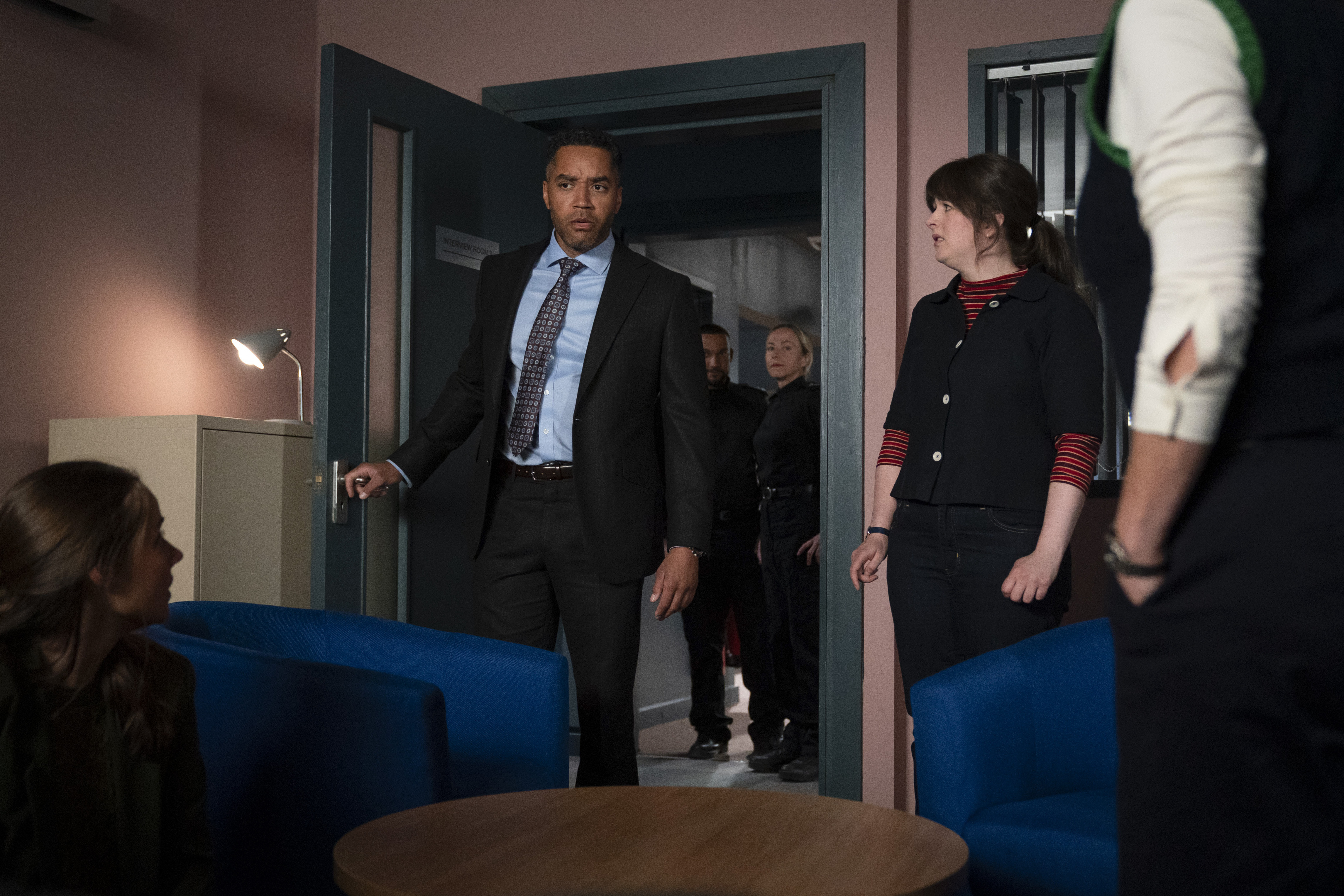
Samuel Anderson joined the Shetland cast as a procurator fiscal
JAMIE SIMPSON/SILVERPRINT FILMS/BBC
They called for BBC bosses to measure on-screen diversity across its schedule, rather than individual commissioners and producers feeling obliged to include it in each programme.
“What needs to be avoided is ethnic diversity which looks forced and tick box,” they said. “We found our interviewees of colour as emphatic on this point as those who were white.”
Insiders pointed to proposals to raise representation targets for TV production teams to 25 per cent, along with a move to review its content plans, to ensure underrepresented audience groups are better reflected.
‘Over-reliance on Clive Myrie’
Representation in BBC News was found to lag behind its entertainment programming.
Clive Myrie was singled out for “overreliance” amid a “noticeably low number of black reporters and presenters”. Bosses are said to be seeking to address this under-representation.
Meanwhile, in BBC Sport, some male viewers surveyed claimed that female sports pundits had been hired to serve an agenda, for example in men’s football or cricket. The view was countered by some women who valued their inclusion for their expertise and the inspirational message sent.
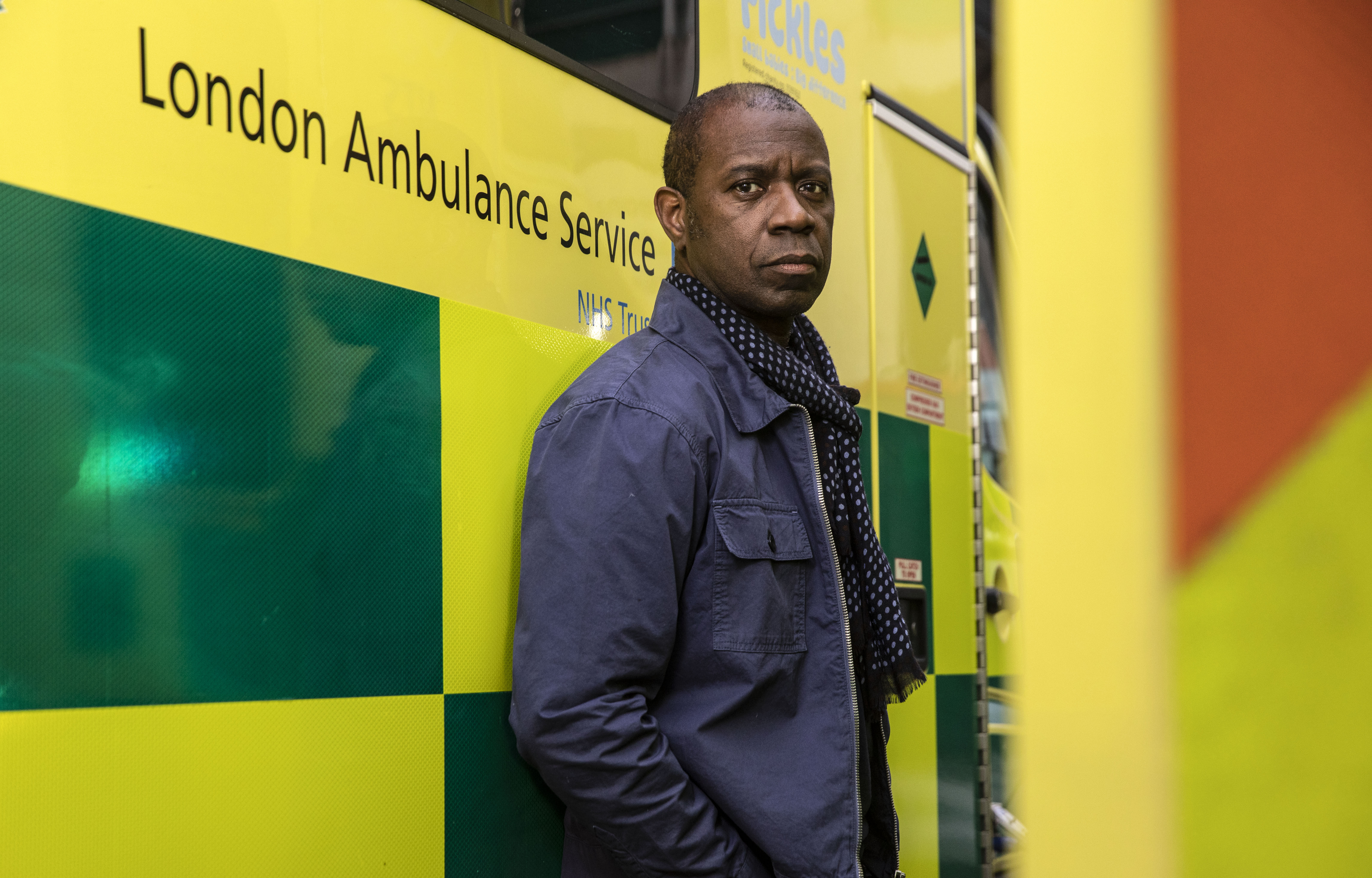
Clive Myrie was given unprecedented access to Covid wards during the pandemic
RICHARD POHLE FOR THE TIMES
BBC ‘too London-centric’
Elsewhere there were warnings that that the BBC remains dangerously disconnected from working-class communities and those living outside the M25, amid accusations that the corporation has a “London-centric” mindset that alienates large swathes of the country.
• London-centric Channel 4 should deliver for all of the UK
Perceptions of the BBC were also lower among working-class audiences and those outside London, who are less likely to be satisfied with how they are represented.
One interviewee said: “Every time the BBC goes into a working-class area, David Attenborough might as well do the voiceover”.
Another described the output as miserabilist with all-too rare celebratory depictions of working-class life, previously seen in The Royle Family or Gavin and Stacey.

Gavin and Stacey depicted a working-class Welsh family
TOM JACKSON/BBC
Older female presenters ‘disappear’
The review also uncovered a “noticeable mismatch” in the treatment of older staff, with nearly four times as many male presenters over the age of 60 as there are women.
One interviewee complained that while “wrinkly old men connote authority [and] wisdom … wrinkly old women connote witches”. The report urged the corporation to track the age of presenters to ensure women can enjoy careers as long as their male counterparts.
Samir Shah, the BBC chair, said: “It is vital the BBC authentically reflects the lives of all the communities, classes, and cultures across the UK.”