
Four top virologists provide a run down on the Nipah virus emerging from India – including how deadly it is and how likely it is to spread
16:41, 29 Jan 2026Updated 17:02, 29 Jan 2026
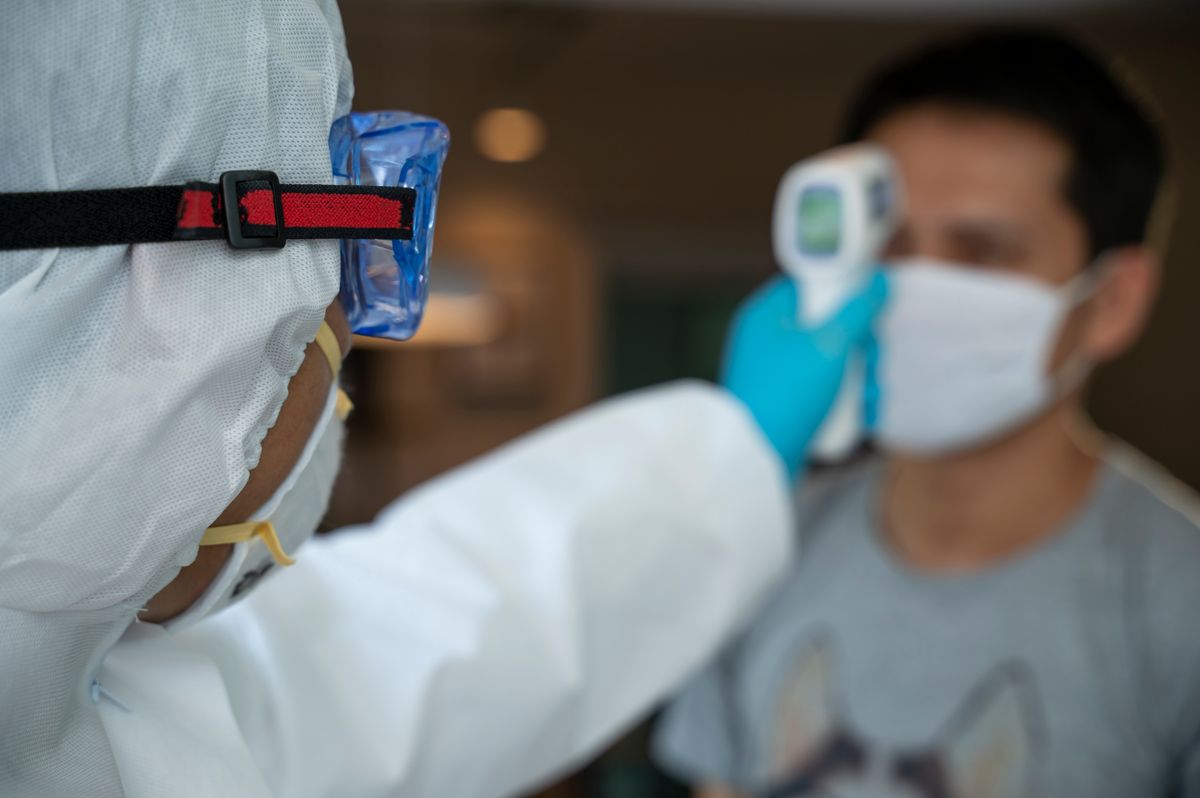
The virus outbreak was detected in India
A virus outbreak in India has triggered fears of a new pandemic – but are people right to be worried?
Neighbouring countries including Thailand and Nepal have implemented Covid-style airport health checks to prevent the spread of the Nipah virus. Nipah can be spread from animals to humans, and it can also be transmitted through contaminated food or directly from person to person. It is estimated 40% to 75% of those infected will die, according to the UK Health Security Agency.
Nipah was first identified in 1999 during an outbreak among pig farmers in Malaysia and Singapore. Fruit bats tend to help the virus circulate, though the UKHSA said there is evidence it can infect other animals, including pigs, dogs, cats, goats, horses and sheep. Currently there is no proven treatment for a Nipah virus infection.

Professor Paul Hunter (left) and Dr Efstathios Giotis
Here four leading virologists provide a run down on Nipah including how deadly it is and how likely it is to spread.
Dr Efstathios Giotis – Lecturer in Molecular Virology at the University of Essex
“Nipah virus is a relatively rare zoonotic infection that primarily originates in fruit bats and can occasionally pass to pigs and humans, either directly or through contaminated food. In some circumstances, it can spread between people, particularly during close contact in healthcare settings.
“Infection can be severe, affecting the lungs and brain, and there is currently no licensed vaccine or specific treatment.
“This event is not unusual in the context of Nipah virus. Similar, small-scale outbreaks have occurred previously in India, including in West Bengal and Kerala. As in past incidents, the number of cases remains limited and the public-health response has been swift and targeted.
“For the general population, the risk remains low. Nipah virus does not spread easily and typically requires close, prolonged exposure to an infected person or specific animal-related routes.
“While vigilance is warranted, there is no evidence to suggest a broader public health threat at this stage.”
Dr Kaja Abbas – Associate Professor at the London School of Hygiene & Tropical Medicine (LSHTM)
“Nipah virus is a zoonotic RNA virus that causes severe respiratory and neurological disease in humans, potentially progressing from fever and headache to acute encephalitis [brain inflammation].

Professor Ian Jones (left) and Dr Kaja Abbas
“Since 2001, sporadic but recurring outbreaks have occurred, especially in Bangladesh and India. In addition to zoonotic transmission from animals such as fruit bats to humans, human-to-human transmission and transmission from contaminated fruit products (such as date palm juice) to humans also occur.
“Since 2001, sporadic but recurring outbreaks have occurred, especially in Bangladesh and India.
“In addition to zoonotic transmission from animals such as fruit bats to humans, human-to-human transmission, and transmission from contaminated fruit products – such as date palm juice – to humans also occur.
“The basic reproduction number of the Nipah virus is typically below 1, suggesting limited human-to-human transmission and a low likelihood of widespread pandemic spread.”
Paul Hunter – Professor in Medicine at the University of East Anglia
“Nipah virus infection is a rare infectious disease but one that can pose a significant risk of death. The death rates vary between and have been as low as 9% or as high as 90% of known cases.
“However, up to about half of infections may not cause any symptoms. The incubation period is usually about one to two weeks but can be longer.
“Although Nipah is a very serious infection, it is unlikely to pose a significant risk of global spread as the risk of person-to-person transmission is low. Nevertheless, we cannot be complacent as we have seen recently, some virus can mutate to increased infectivity.”
Ian Jones – Professor of Virology, University of Reading
“Nipah is a bat virus that causes occasional zoonotic outbreaks, most of which are associated with the seasonal consumption of foodstuffs contaminated by bat urine. Like other zoonotics such as Avian flu or Ebola, the case fatality rate is high, but the virus does not transmit effectively person to person.
“The at-risk groups are therefore close family members and the healthcare workers who treat the primary cases. The risk to the general public from Nipah is essentially nil as the virus has never shown any evidence of general spread.”
The UKHSA says the risk for tourists visiting endemic countries is “very low” if the following precautions are followed:
- Avoid contact with bats and their environments, and sick animals
- Don’t consume raw or partially fermented date palm sap
- Wash all fruit thoroughly with clean water and peel before eating
- Wear protective clothing and gloves if handling sick animals
- Practice good hand hygiene, particularly after caring for or visiting sick people
- Avoid close, unprotected contact with anyone infected with the Nipah virus