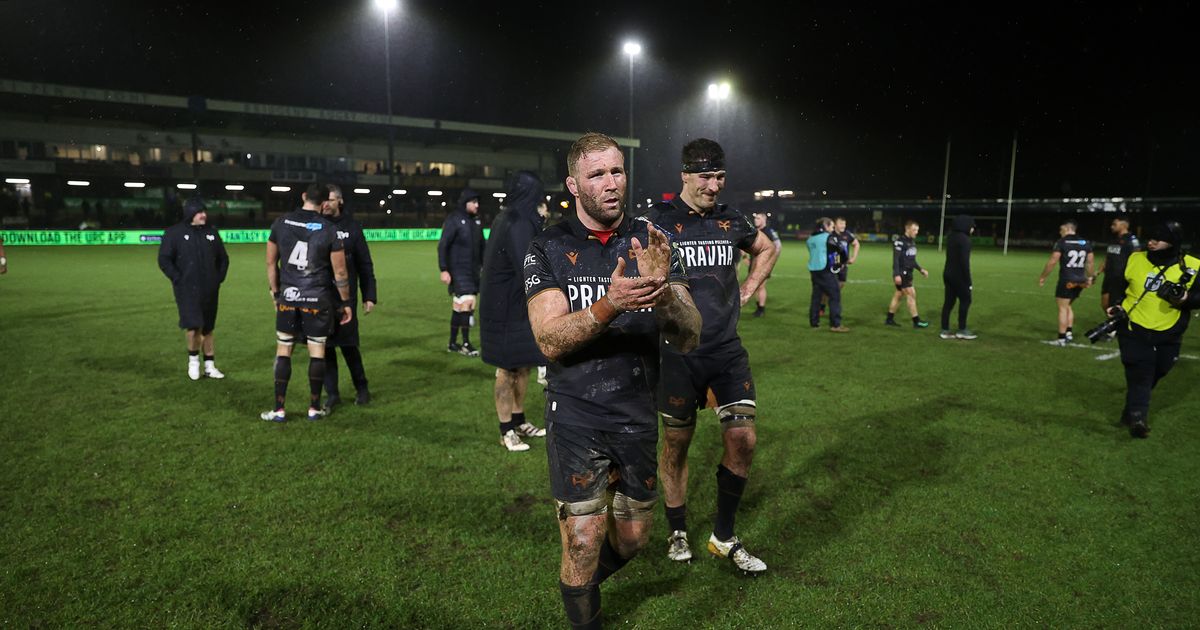
Welsh rugby has long suffered from people calling for radical change, only for infighting and self-interest to mean nothing gets better
19:09, 29 Jan 2026
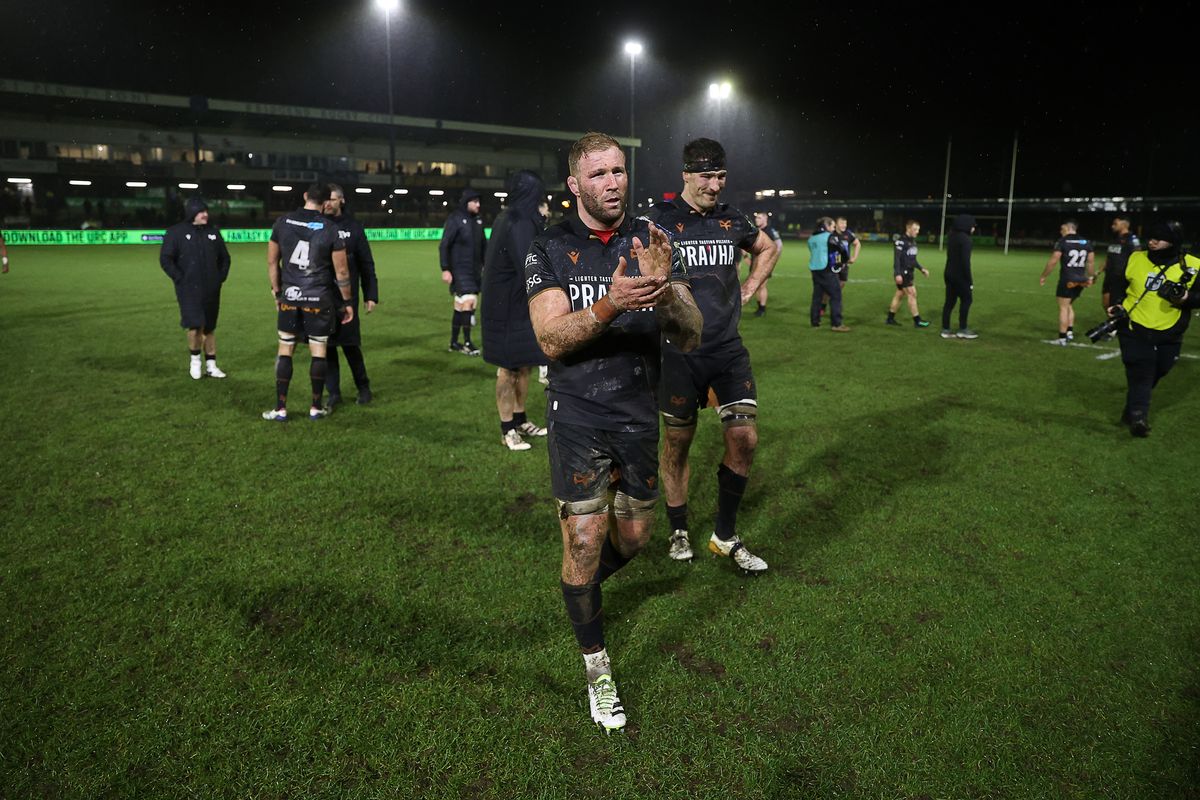
The upset and injustice felt by staff and players at the Ospreys is understandable but the overall reasoning behind the move to three teams is not without merit(Image: Huw Evans Picture Agency Ltd)
Welsh rugby is emotional at the best of times, but over the past 10 weeks or so those emotions have spilled over and begun to overwhelm the debate.
When the Welsh Rugby Union announced a few months ago it was planning to cut one of Wales’ four professional teams, it would have been well aware of the backlash that decision would provoke. In the wake of Ospreys owners Y11 Sports & Media being named as the WRU’s preferred bidder for Cardiff, the storm has arrived, with protests from supporters, intervention from Swansea Council, and former Ospreys players demanding the union rethink its plans.
Such reactions are totally understandable. Supporters are being asked to contemplate the loss of their team, people are going to lose their jobs. It’s awful.
JOIN OUR WALES RUGBY FACEBOOK PAGE! Latest news, analysis and much more
But there are reasons why the WRU is pushing for radical change. There are reasons why people with the stature of Jamie Roberts and Andrew Williams on the WRU board can sift through mountains of evidence and conclude reducing the number of teams is the only rational thing to do. It has to happen.
Historically, the WRU is guilty of years of underinvestment into the professional game and its pathways. Welsh rugby has been driven to this point by the actions of a handful of former CEOs and directors.
The damage, however, has already been done, and change is now unavoidable.
The game in Wales has been on its knees for many years, and the men’s national team’s struggles — underlined by back-to-back Wooden Spoons in the Six Nations — have only sharpened the sense that significant reform is unavoidable.
Many of the same people now lambasting the WRU for proposing to cut a team were themselves calling for a reduction to three, or even two, professional sides only a few months ago. Indeed, speak to many former players or people involved at the regions and they will tell you privately four teams is no longer an option.
There is nothing wrong with changing an opinion in light of new evidence, but Welsh rugby has long suffered from stakeholders calling for root-and-branch reform, so long as it does not affect the team with which they are personally associated.
Following the move by the Ospreys’ owners to try to buy Cardiff, the prospect of no professional rugby in Swansea after the 2026/27 season is a very real one right now.
In many respects, it would be ludicrous not to have a pro team in Wales’ second city, and there is a strong argument any reduction should be accompanied by a transparent tendering process for the remaining three licences in the interests of fairness.
The way the Ospreys appear to be being sacrificed by their owners and the WRU in a seemingly ruthless deal is clearly deeply unfair on the fans and players who have given so much. They will fight it all the way, and nobody can argue with that.
There is, however, no easy way for the WRU to lift Welsh rugby off the floor, and things need to move quickly to ensure the game in Wales isn’t permanently stuck in the doldrums.
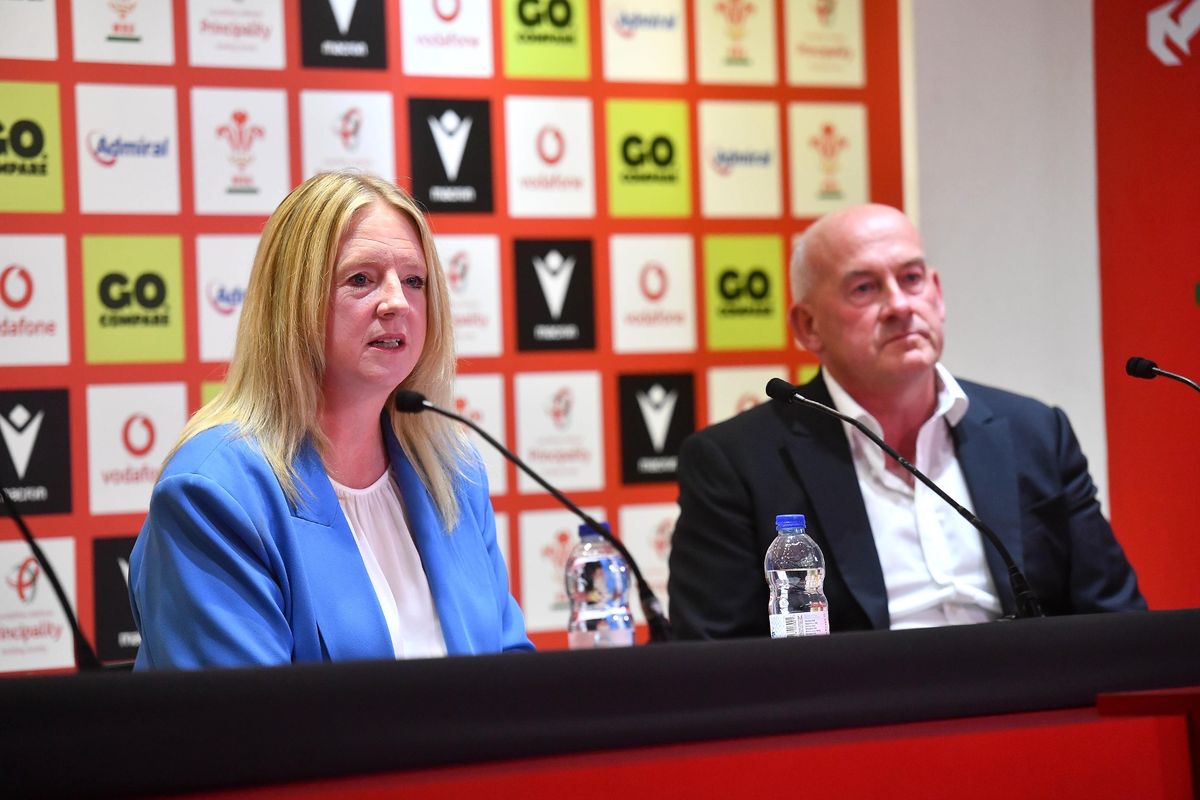
WRU CEO Abi Tierney and chair Richard Collier-Keywood(Image: Ben Evans/Huw Evans Agency)
A number of pundits have called for tough decisions to be taken, provided they are not the decisions currently on the table. Yet, a financially viable alternative is yet to be presented.
Should Welsh rugby simply carry on as it is and revisit reform in a few years’ time, perhaps after collecting another three Wooden Spoons?
The central reality is there is not enough talent, and not enough money, to sustain four strong professional teams.
Significant investment is required in the player pathway system and senior academies, which would need to be detached from the community game. The changes needed cost huge sums of money.
Many critics point to the fact the WRU’s turnover is higher than the Irish Rugby Football Union’s, and they manage to fund four teams while competing to a higher level domestically and on the international stage.
But there is an old saying: turnover is vanity, profit is sanity.
The WRU faces stadium costs of £8m that the IRFU does not. While the Parkgate Hotel generated £13m for the WRU, £9.2m of that was spent, leaving a profit of just £3.2m.
The point is that a higher turnover does not automatically mean an organisation is wealthier than one with a smaller headline figure.
Ireland is a far richer country than Wales. There is no VAT on ticket sales, and the Irish government does not charge corporation tax on sporting entities.
Leinster alone has a population of 2.8 million, while the population of the entire country of Wales is three million. Wales’ economy is worth £80 billion, compared with a GDP of £157 billion for Dublin alone.
Ireland’s more buoyant economy, its larger population base and its reliance on private schools allow it to produce a greater volume of professional-level players and to carry deeper squads of higher quality.
The revenues generated enable far greater investment in coaching and facilities, which operate on a different scale to anything currently available in Wales.
Plus the IRFU has a more favourable stadium deal, whereas the WRU faces higher costs for the Principality Stadium.
One of Wales’ biggest challenges is that its private sector is not strong enough to compensate for the broader lack of wealth in Welsh society, whereas Ireland benefits from major corporate sponsors such as Bank of Ireland and Aer Lingus.
As a result of these economic realities, many Welsh players now ply their trade in England, with others in France and Japan. Ireland is far less exposed to those overseas market forces.
Crucially, professional sportsmen in Ireland receive a tax break upon retirement, meaning Irish provinces do not have to pay players as much in headline salary.
A player in Wales might earn £120,000 at the Scarlets but be offered £180,000 to join Exeter Chiefs. In Ireland, a player on £120,000 at Munster might receive a similar offer from England, but if he remains at home he can reclaim money when he retires.
The Irish government also makes substantial investments in professional sport. Connacht, for example, received a €10 million grant through the Large-Scale Sports Infrastructure Fund to support the development of a new stadium in Galway.
The Dublin private schools system is another advantage Wales does not possess, and for the WRU to replicate anything close to that level of academy provision would require millions in additional investment.
To argue that the WRU should spend more on the professional game than the IRFU simply because it has a higher turnover is therefore nonsensical.
That is not to say the WRU should not spend its money more wisely. In an ideal world, more funding would be directed towards the men’s professional game.
The current state of Welsh rugby is the result of years of underinvestment by successive WRU chief executives who pursued top-heavy strategies while neglecting everything beneath the national side.
Spending on vanity projects must stop, and more resources do need to be redirected to the professional game, but an additional £1m to £2m will not be enough. The increase would need to be far more substantial.
Perhaps the biggest concern lies in the level of control the WRU is seeking through the new licence agreement. It wants total authority over the game while still expecting benefactors to inject significant private funding.
On that front, a meaningful compromise will be required.