Credit: © The lastminute.com
Save
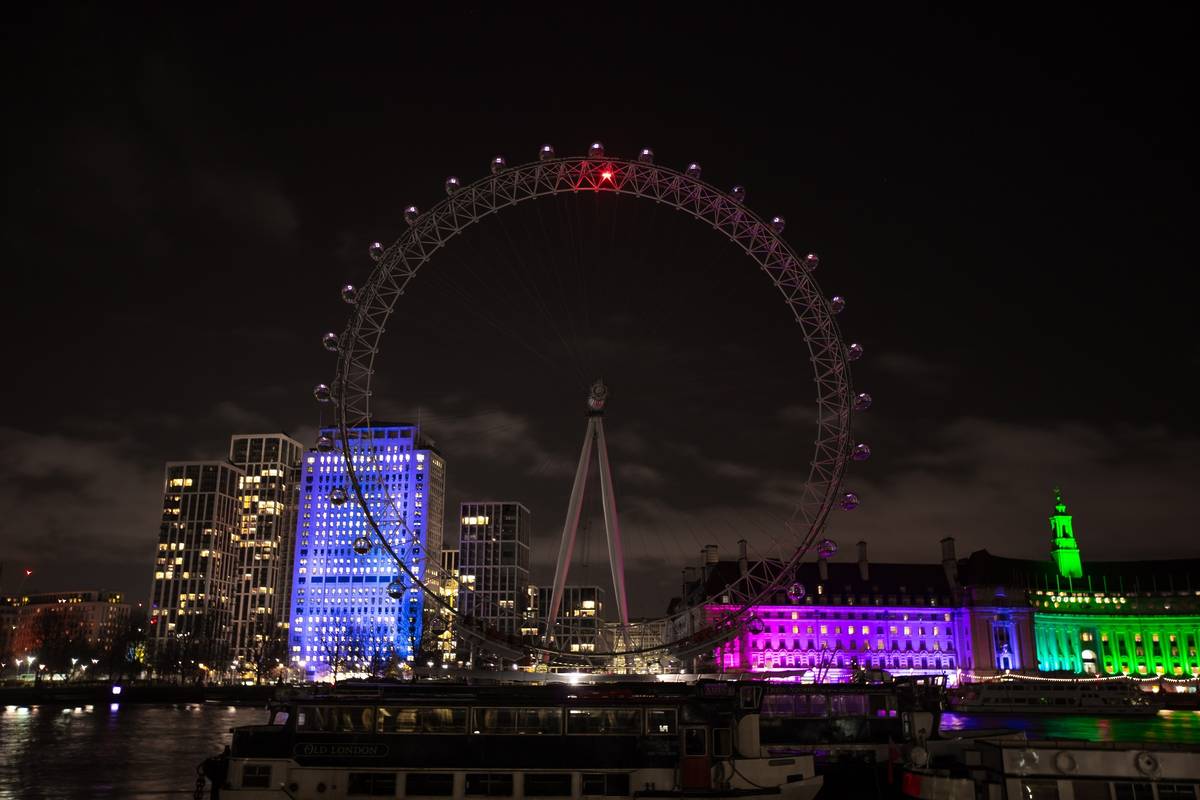
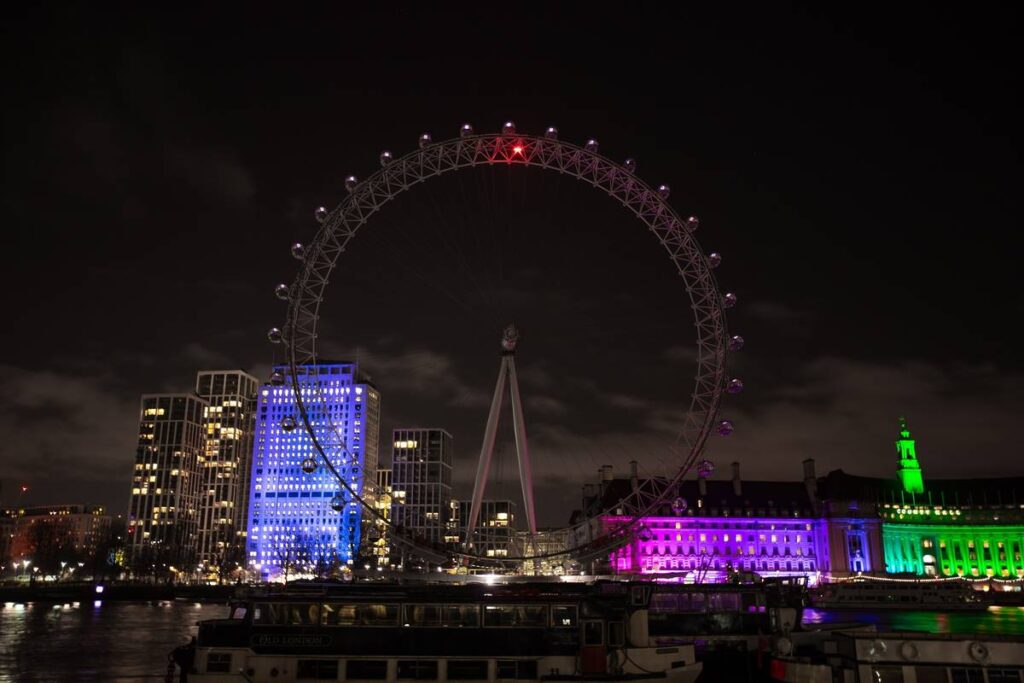
If you’re wandering around London one evening this March, and the buildings seem rather less illuminated than usual, don’t panic. There hasn’t been some sort of city-wide power cut (we hope), and nothing’s gone wrong. Instead, it’s part of a symbolic display, where landmarks across the city and the country switch off for an hour to commemorate Earth Hour.
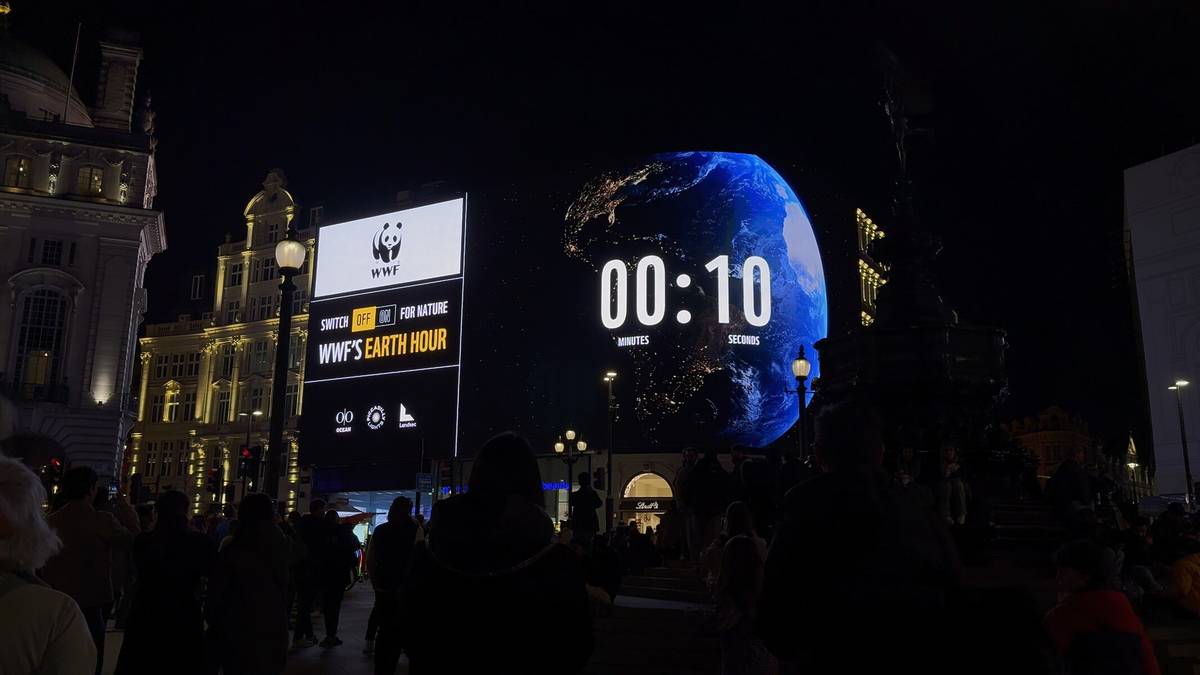
On March 28, between 8:30-9:30pm, the likes of The London Eye, Big Ben, the Piccadilly Circus lights, and more will turn off or dim their lights. It’s the 20th year for the momentous, symbolic display, which is “one of the world’s largest grassroots environmental movements.” The event is designed to remind people to consider the natural world around them. And the mission is more important than ever after 20 years; “nature is in freefall, and we all have a role to play in bringing our world back to life.”
Earth Hour
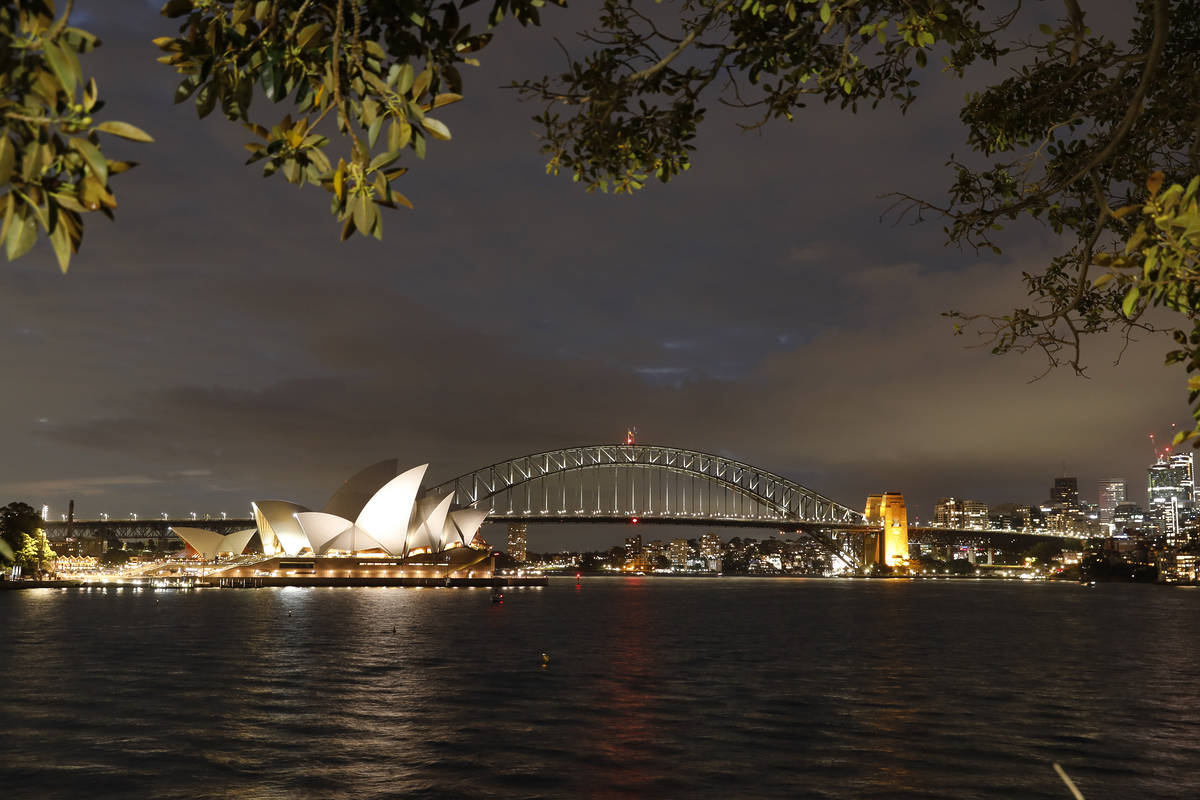
Earth Hour traces its roots back to Sydney, Australia, where it started all the way back in 2007 with a lights-out event. What started in one city has since gone on to become a symbolic display around the world. Over 190 countries have since participated in switch-off events and activities, symbolising “a broader commitment toward nature and our planet.”
 Credit: © Siobhan Bailey-Turner / WWF-UK
Among the world-famous landmarks that have turned out their lights for the event are:
- The Eiffel Tower
- The Sydney Opera House
- The Great Pyramids of Giza
- Rio’s Christ the Redeemer
- The Empire State Building
Individuals are also invited to join in by switching off in their own way. WWF recommends people find a way to get in touch with nature in a way that “aligns with their passions and lifestyles”. That could look like a “forest parkrun event…, knitting for nature, cooking up a planet-friendly meal or simply switching off the lights for an hour”. Ultimately, it’s up to you how you switch off, unwind, and join forces with others to reconnect with nature.
Lisa Lee, Executive Director of Brand, Campaigns and Communications, WWF-UK said:
“When landmarks go dark and communities come together on 28 March, we’re celebrating two decades of collective action, with Earth Hour having evolved from a symbolic switch-off into people giving millions of hours of their time for the Earth in unique ways over the years. This time is an opportunity to reconnect with the natural world and each other. Everyone who participates becomes part of Earth Hour’s history – and part of a growing movement to restore nature, now and long after the lights come back on.”
 Credit: © thinkMammoth
Find out more about Earth Hour and the WWF here.