It’s the latest move in Andy Burnham’s campaign to reform the sector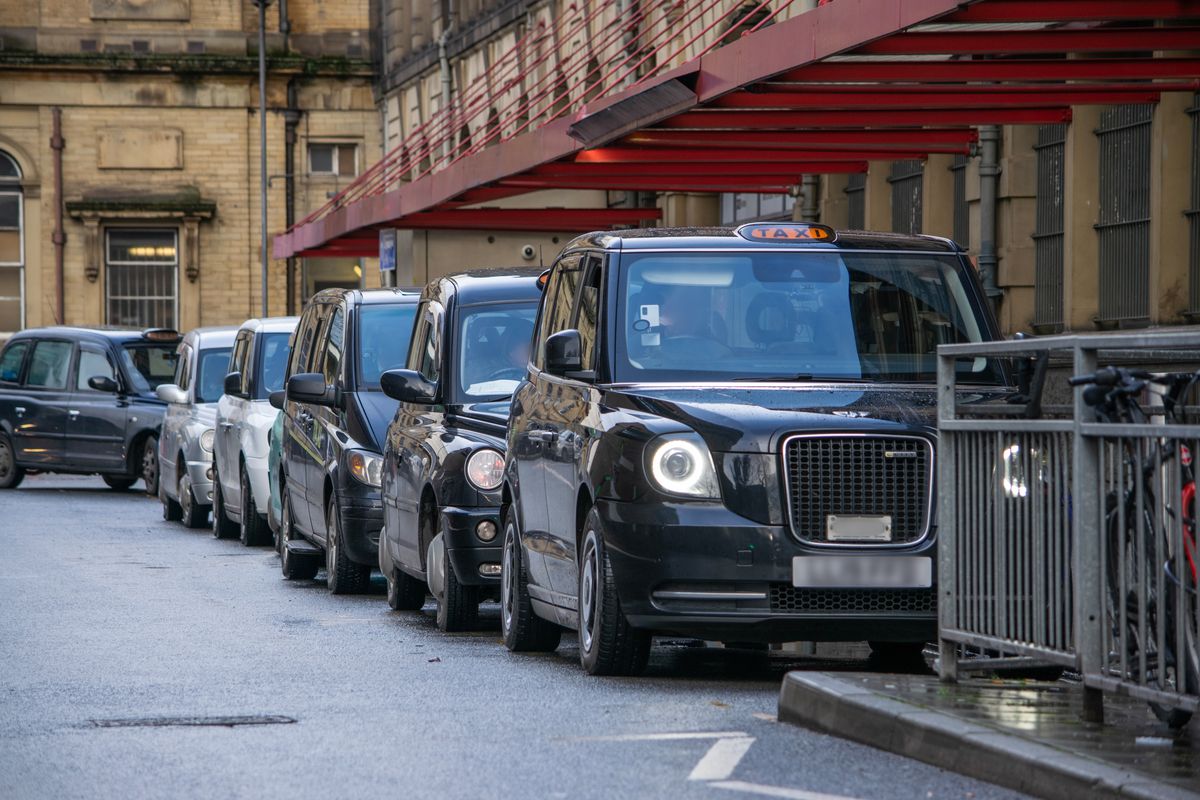
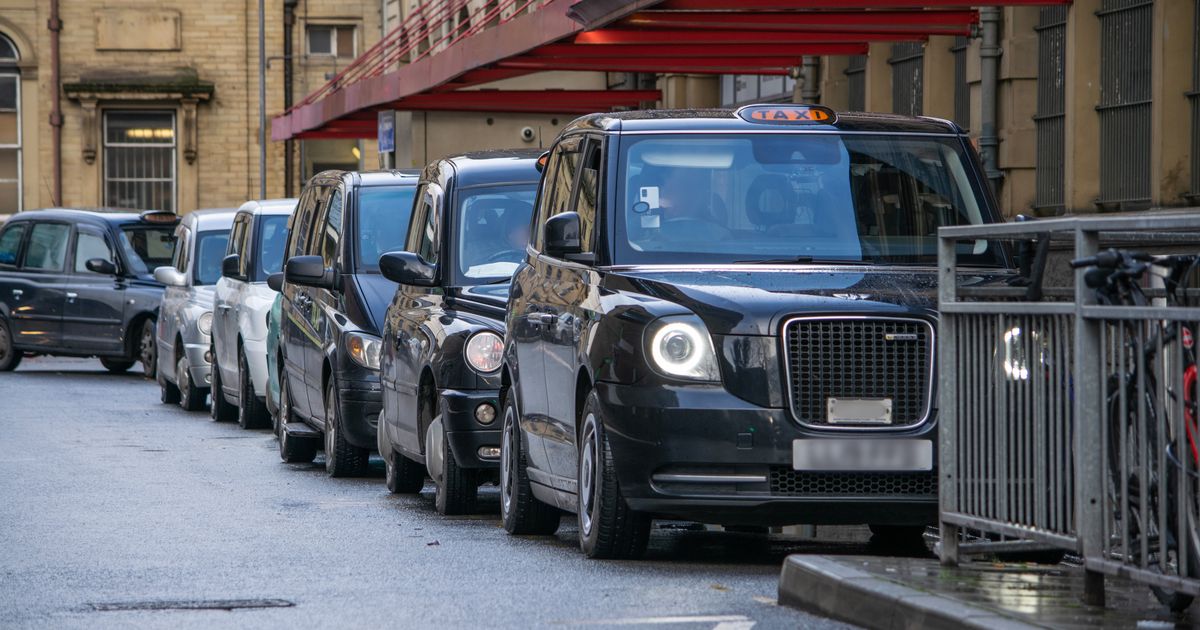
Taxis parked outside Victoria train station(Image: TfGM)
Taxi drivers in Greater Manchester are to receive millions to upgrade their dirty cars — but only if they’re registered locally.
Andy Burnham announced a new £4.45m fund for private hire cars which will not meet emissions standards by the end of 2026 on Friday (January 30), to ‘complement’ an existing £8m black cab package. Drivers will be able to take a £5,000 interest-free loan, or £1,000 grant, to upgrade to a newer, cleaner minicab.
However, it’s only open to ‘those who have done the right thing and licensed with our authorities in GM’, the mayor told a Greater Manchester Combined Authority (GMCA) meeting in Stockport.
“The challenge of out-of-area working is a significant complaint [among drivers],” he said. “We launched the campaign last year.
“This fund is only available to those who have done the right thing and licensed with our authorities in Greater Manchester. We believe this funding recognises what our trade has been through. It backs our trade.”
It’s Burnham’s latest move to cut out-of-area taxi working, where a driver is licensed by one council but usually plies their trade in another part of the country. It’s often called the ‘Wolverhampton problem’ as more than one in 10 of English private hire vehicles are licensed by the City of Wolverhampton Council, with just under half operating in Greater Manchester are licensed by authorities outside its 10 councils.
The mayor has lobbied the government for an outright ban on the practice, but so far ministers have only offered to cut the number of licensing authorities. Plans announced on January 8 revealed the government wants to make local transport authorities responsible for taxis, so Transport for Greater Manchester would issue and enforce licences, not the city’s 10 councils.
By doing so, the number of bodies permitting taxis would fall from 263 to 70. The government argues having fewer authorities means drivers will cross fewer boundaries, ‘reducing’ out-of-area working.
However, the mayor said ‘it would not be good enough [to] just reduce’ the practice, adding ‘if reduce means practically end, that’s what we want.”
Leaders are working with Transport for London to keep the ban alive through an amendment to the government’s English Devolution and Community Empowerment Bill, currently in the House of Lords.