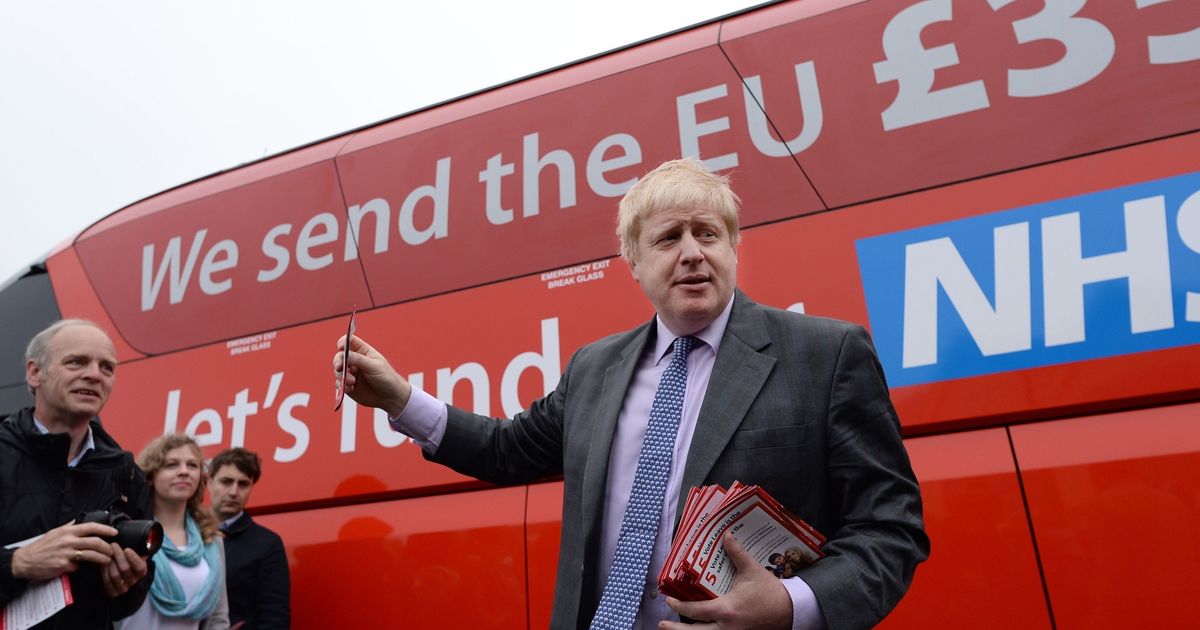
After a bitter campaign, the UK left the European Union ten years ago sparking political chaos that triggered the resignation of Tory PM David Cameron and continues to impact Britain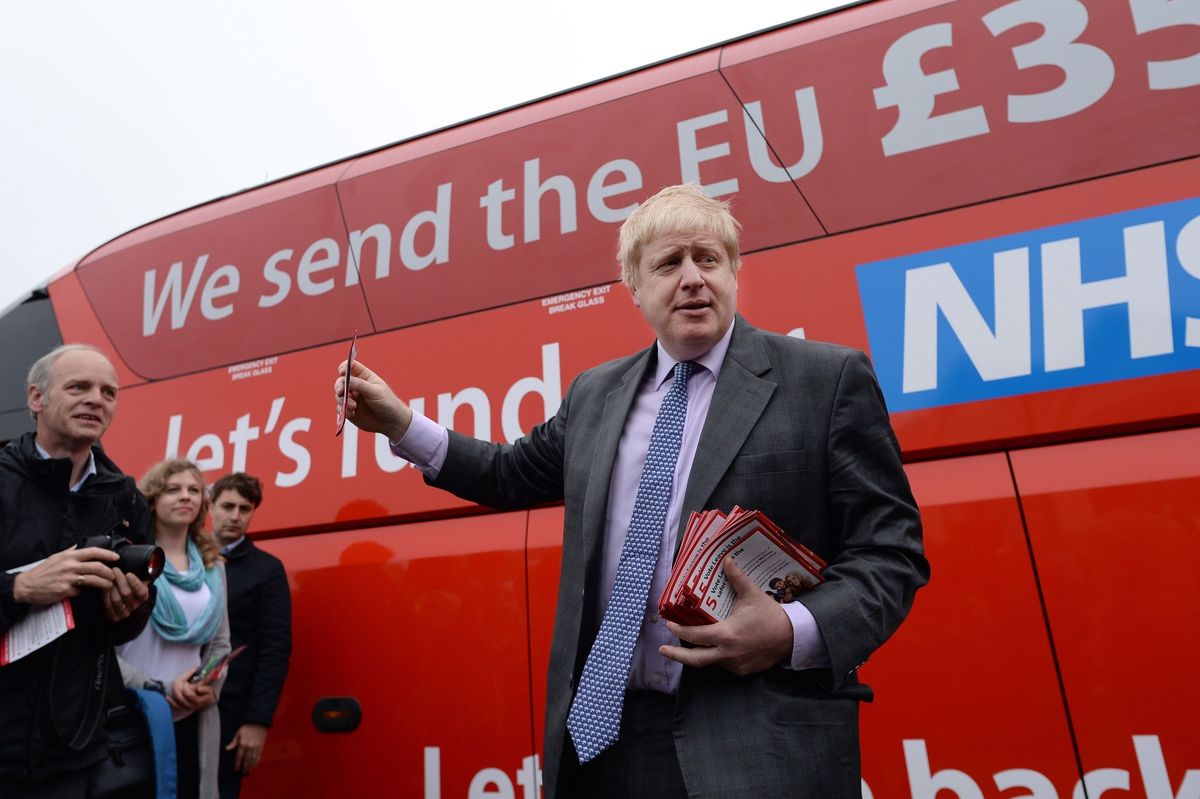
Boris Johnson was a key part of Brexit(Image: PA Archive/PA Images)
This Saturday marks 10 years since 52% of voters took the UK out of Europe following the EU referendum in 2016.
After a bitter campaign, the UK voted to leave the European Union sparking political chaos that triggered the resignation of Tory PM David Cameron and shaped the tenures of Theresa May and Boris Johnson, who both battled to get a deal to leave the EU through Parliament. The decision also led to the rise of Nigel Farage, first in UKIP, then the Brexit party, and now in his latest rebrand, Reform UK.
Keir Starmer has sought to repair relations with EU, and made clear in a speech at the end of last year that Britain must make its relationship with the EU work for British people, arguing that the way Brexit was sold and delivered was “simply wrong”.
READ MORE: Are you worried about the rise of Reform and Nigel Farage? Take our poll and have your sayREAD MORE: BBC Question Time crowd laugh at guest’s brutal jibe about Reform UK
If you can’t see the poll, click here.
At the end of December, the Government announced the UK will rejoin the Erasmus+ programme. It will mean British students will be able to study abroad at universities in Europe for the first time since Brexit. More than 100,000 people in the UK could benefit from the scheme in 2027 alone, the first year the scheme will be up and running.
Ten years on, Brexit remains a thorny issue which continues to divide the country today. The Liberal Democrats want even closer ties with the bloc and are calling for a customs union to be negotiated with the EU. Wes Streeting broke ranks before Christmas to show support for a new customs union, while TUC General Secretary Paul Nowak said closer links to Brussels were critical as Donald Trump proves an untrustworthy partner.
For Mr Farage, Brexit remains a crucial topic, with the Reform UK leader repeatedly calling for a renegotiation of the Brexit deal to strip EU citizens from claiming benefits in the UK. Critics warn the move could risk a trade war.
Earlier this month an exclusive Deltapoll survey for The Mirror found a majority of people would want to see the UK rejoin the EU if another Brexit referendum was held.
Nearly six in 10 (58%) people who would vote in a second referendum said they would cast their ballot to return to the EU. Support for reversing Brexit was highest among 18 to 24-year-olds, where more than eight in 10 (86%) backed rejoining the bloc. Older voters were more likely to support remaining outside of the EU, by 51% to 49% among 55 to 64-year-olds, and 58% to 42% among over-65s.
Conservative and Reform voters both back the status quo by 66% and 82% respectively. But Labour and Lib Dem supporters want to rejoin the EU by 71% and 78%.