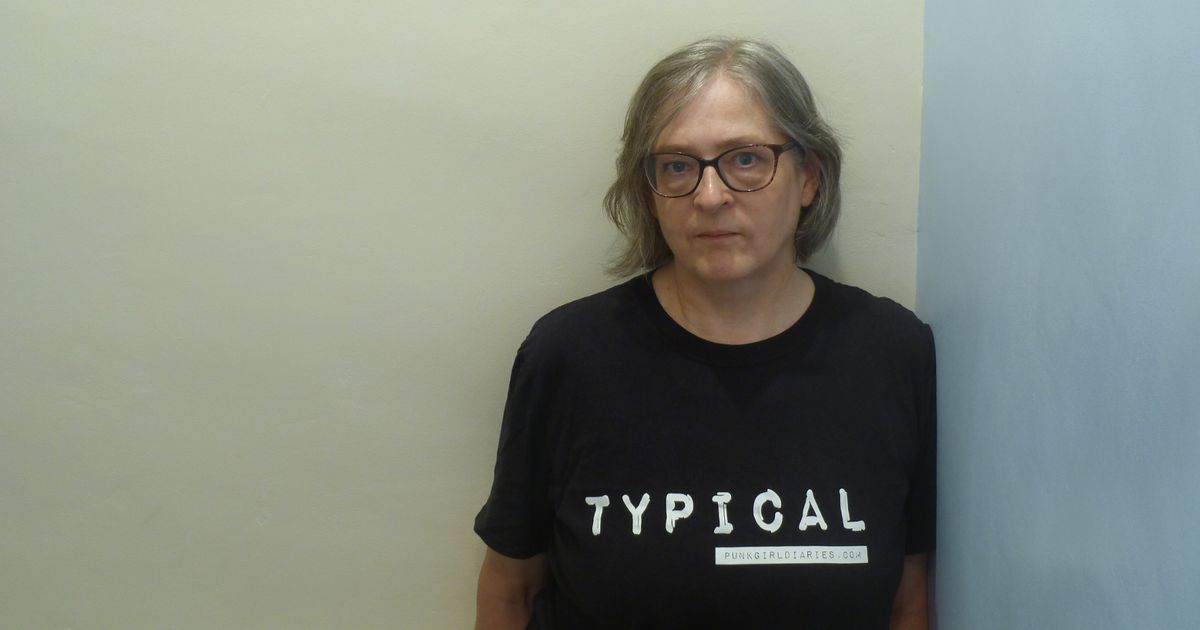
Music journalist Penny Kiley said that she felt like a “misfit” before moving to Liverpool
Danny Gutmann
13:08, 31 Jan 2026Updated 13:11, 31 Jan 2026
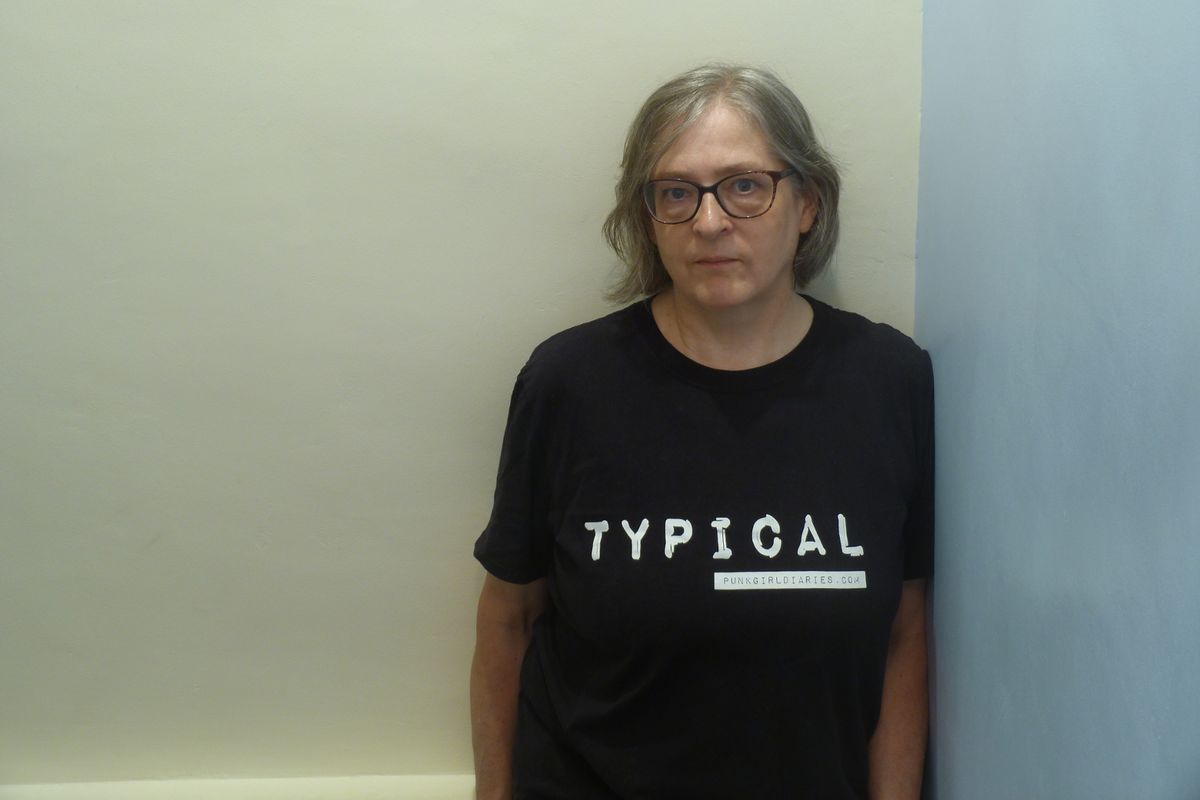
Penny Kiley befriended Liverpool’s Pete Wylie when she came to university in the city(Image: Supplied)
Growing up in Kent, Penny Kiley said that her formative years were “quite sheltered”, but that changed when she moved to Liverpool for university and met one of the city’s music legends, Pete Wylie.
When she moved to Liverpool aged 18 she said that her knowledge of the city more or less ended at “the Beatles and football”, and that it was the rare chance to do a combined degree of English Language and Literature that initially attracted her to the city.
Penny, now 68, is looking back on her life as a music journalist for a new book she has written and it is a journey she might never have begun if she had not come to Liverpool and fallen in with a creative movement which gave her permission to understand her true self.
Penny told the ECHO: “I was in halls of residence in Mossley Hill, and I was on the bus going to my halls and I couldn’t understand the accent, it just felt like being in a foreign country. Everything was different because I’d come from a small town and I was in a city and there was loads going on. It was very different culturally.”
While she had always had a keen interest in music, it wasn’t until a chance meeting with Liverpool music legend Pete Wylie of The Might Wah! that her time in the city began to change.
Penny said: “The people in the English class and the people in the French class had both had to do a course called Classical Literature in Translation, so me and Pete Wylie had one lecture a week in common and we used to just sit at the back and talk about music.
“When I got back to Liverpool after the Christmas holidays, I went to Eric’s with Pete, and that was just the beginning of everything.”

Penny studed at the University of Liverpool at the same time as Pete Wylie(Image: Andrew Teebay Liverpool Echo)
“Eric’s wasn’t like anywhere that I had ever been before, and it wasn’t like anywhere I have been since either. It was more than a rock venue, it was definitely a club, even more than that, it was a community, it was just somewhere that you could hang out with like-minded people and learn new things and grow creatively. In hindsight, I see it a bit like an art school for people who didn’t go to art school.”
Describing a typical night in Eric’s, she said: “The DJ’s were great. Norman Killon, who used to work at Probe Records, was the main DJ, and because he worked at Probe he got all of the new stuff straight away. You’d then get a support band and the main band, and the stage was quite low, you could get right up close to the band. On the good nights, it was extremely crowded and you were close enough to touch the band, it was very intense.”
She added: “I never really fitted in in the student environment, but Eric’s had been like a home for misfits really.”
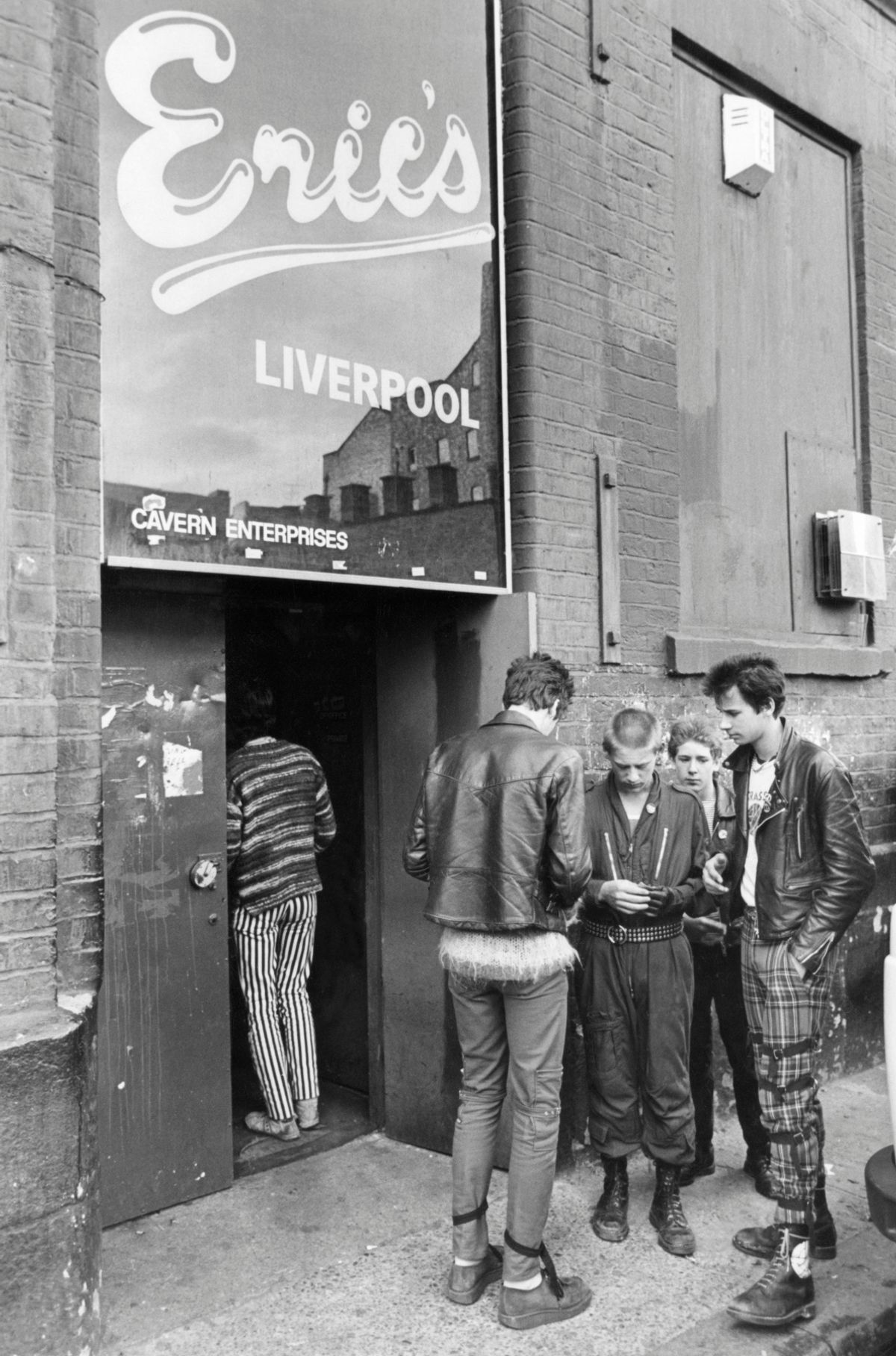
Eric’s opened their doors in October 1976(Image: Mirrorpix via Getty Images)
The opening of Eric’s coincided with the rise of Liverpool’s punk and later post-punk scene that was emerging at the time with bands like Echo and the Bunnymen, The Teardrop Explodes and Jayne Casey’s band Big in Japan all emerging during the late 1970s and early 80s.
Penny said: “The music scene on the whole had got very stagnant and it was full of old people in bands. The thing about punk was that it was young people, it was people our age, and it was something that belonged to us. The music was fun and exciting, rebellious and intense, all those things that you want when you’re 18.”
She added: “I think punk, told us that it was okay to be different and it was okay to not want to conform and it was okay to be weird. There’s a strand in the book about going through life not knowing that I was autistic. I didn’t know why I felt like a misfit, I just did. But, being a part of the punk scene kind of made it okay.”
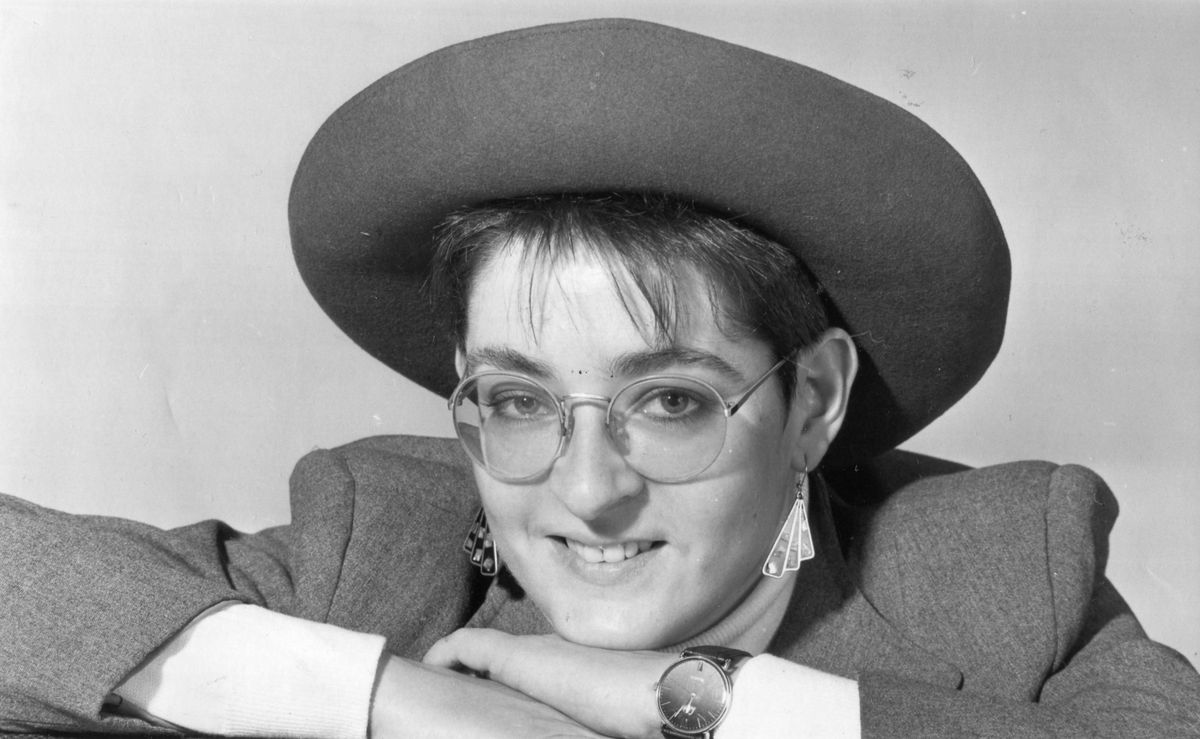
Penny has worked for Melody Maker, Smash Hits and the Liverpool ECHO(Image: Supplied)
Penny had finally found a place where she felt like she “belonged” after struggling to fit in during her teenage years.
But instead of pursuing a career behind the mic, she took a different path and worked in the music press for publications including Melody Maker, Smash Hits and the Liverpool ECHO.
She said: “I felt like I was a part of it [the punk scene], but I felt like a fly-on-the-wall because I just watched what was going on. I was quite happy not being at the centre of attention, there was plenty of other people who wanted to be the centre of attention.”
One of her proudest moments came when she got the chance to interview Echo and the Bunnymen’s lead singer, Ian McCulloch.
She said: “Ian McCulloch was really shy, and so was I. We kind of knew who each other were, but I don’t think I had actually spoken to him until I was writing for the ECHO and I interviewed him. I spoke to more people [on the punk scene] when I was writing for the ECHO than I did at the time, because I was so shy at the time.”
She added: “I just used to hide in corners with my notebook, that was my modus operandi.”
Penny Kiley’s book, Atypical Girl: Punk Rock, Liverpool, and Trying to Be Normal, is set to release in March.