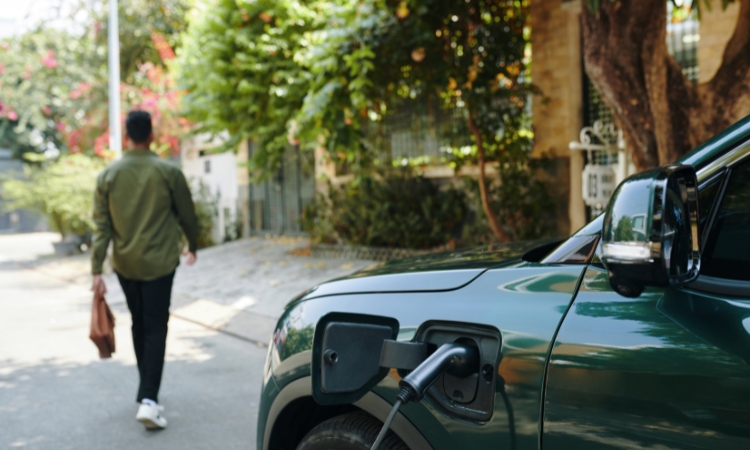
For the first time on record, electric vehicles have outsold petrol-powered cars across the European Union, underscoring a decisive shift in how Europeans move—and how quickly the continent’s automotive market is transforming.
Data released by the European Automobile Manufacturers’ Association show that in December 2025, fully electric cars accounted for nearly one in four new vehicle registrations in the EU, surpassing petrol models for the first time. When hybrids are included, battery-equipped vehicles now represent roughly two-thirds of the European car market.
Advocacy group Strujni krug described the figures as a watershed moment, arguing that electric vehicles have moved beyond their role as an environmentally conscious alternative to become the dominant choice for both private motorists and commercial fleets.
“December marked a clear turning point in the electrification of road transport in Europe,” the group said in a statement.
The milestone reflects longer-term trends across the bloc: registrations of electric and hybrid vehicles have risen steadily, while petrol and diesel cars—once the backbone of Europe’s auto industry—have seen sustained declines. Diesel models, in particular, have slipped from leading sales categories into statistical obscurity.
Yet the transition has been uneven across the EU.
In Croatia, the shift to full electrification has lagged behind the European average. According to ACEA data, registrations of fully electric vehicles fell by nearly 30 percent in 2025. At the same time, plug-in hybrids surged by 80 percent, and conventional hybrids rose by more than 27 percent, suggesting that Croatian consumers are embracing partial electrification while hesitating on fully electric models.
Sales of diesel vehicles in Croatia dropped sharply, echoing broader European trends.
Analysts say the Croatian slowdown does not necessarily signal waning interest in electric cars. Instead, it reflects the timing of government incentives, which were announced late in the year. Previous purchasing patterns show that demand typically spikes after subsidy applications are processed.
As a result, industry groups expect a rebound in electric vehicle sales during 2026, potentially narrowing the gap between Croatia and its EU peers.
The broader European picture points to a structural transformation already well underway. As battery-powered vehicles become the norm rather than the exception, policymakers and automakers alike are grappling with the next phase of the transition—from charging infrastructure and supply chains to affordability and grid capacity.
For Europe as a whole, the message from the latest data is clear: the age of petrol dominance is over. For countries like Croatia, the question is no longer whether the transition will happen—but how quickly it can catch up.