Home » AIRLINE NEWS » Major Disruptions in the UK, France, Netherlands, Spain, Germany, and More: KLM, Ryanair, EasyJet, British Airways, and Others Face 17 Cancellations and 249 Delays, Leaving Passengers Stranded in London, Paris, Munich, Barcelona, Copenhagen, and Beyond!
Published on
February 1, 2026
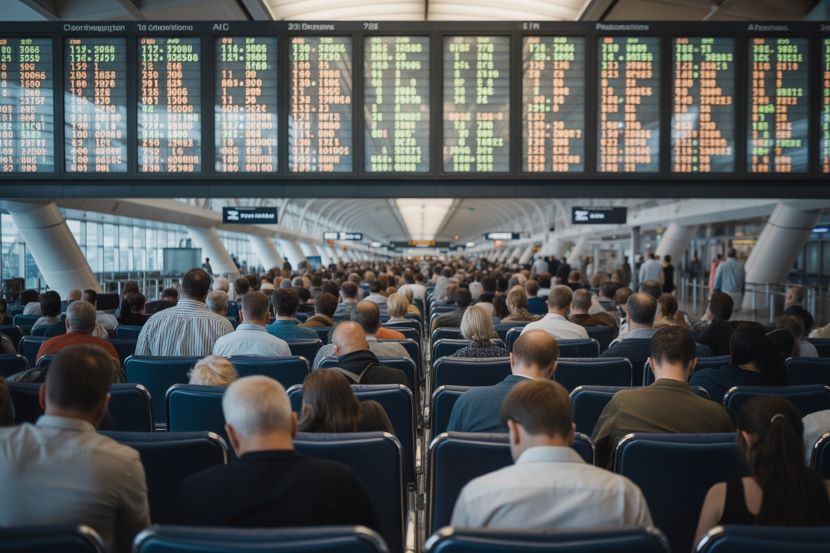
Travelers across Europe faced a day of unprecedented chaos as KLM, Ryanair, EasyJet, British Airways, and other major airlines were hit with 17 flight cancellations and 249 delays, stranding thousands of passengers at airports in the UK, France, Netherlands, Germany, Spain, and beyond. The ripple effect of these disruptions spread to key cities like London, Paris, Barcelona, Munich, Copenhagen, and Zurich, causing massive headaches for travelers and challenging the already strained aviation industry.
The Scale of the Disruptions: 17 Cancellations and 249 Delays Impacting Key Airports
The extent of the disruptions was staggering. At London Heathrow (LHR) alone, 7 flights were cancelled and 23 others delayed, leaving travelers frustrated as they faced long waits at one of the busiest airports in the world. Across the UK, delays also hit Manchester, Birmingham, and Gatwick, affecting domestic and international routes alike. Airlines like British Airways bore the brunt of these disruptions, with multiple international flights, including routes to New York, Dubai, and Paris, caught up in the delays.
Paris Charles de Gaulle (CDG) also saw significant disruption, with 3 cancellations and a staggering 54 delayed flights, making it one of the worst-hit airports in Europe. These delays caused a ripple effect, with travelers heading to and from Europe as well as North America experiencing long wait times and uncertainty about their flight statuses.
In Amsterdam Schiphol (AMS), 4 flights were cancelled and 24 others delayed, while Frankfurt am Main (FRA) experienced 2 cancellations and 37 delays. These delays were primarily caused by a combination of weather-related disruptions and high air traffic, which led to ground crew shortages and further exacerbated the congestion at these major hubs.
Advertisement
Advertisement
Meanwhile, Barcelona El Prat (BCN), despite not experiencing any cancellations, saw 19 delays, which put additional strain on one of Spain’s busiest airports. Passengers traveling to Madrid, Rome, and London were affected the most, with several airlines unable to maintain their schedules due to the operational strain.
Staff Shortages and Weather Woes Contribute to the Widespread Disruptions
The main causes behind the extensive cancellations and delays were a mixture of staff shortages, weather-related issues, and the increased demand for air travel. Many European airports are still recovering from the workforce reductions, which left many airlines struggling to find enough ground crew to handle the influx of travelers.
Advertisement
Advertisement
At London Heathrow, the delays were partly attributed to staff shortages, which led to delays in aircraft turnaround times. As more flights were added to meet the surge in demand, the logistical challenges of handling so many aircraft simultaneously became more apparent. Similarly, the heavy air traffic congestion in Paris and Amsterdam added further delays, with long queues of passengers waiting to pass through security and board their flights.
Weather also played a significant role, with stormy conditions across parts of France, Germany, and the UK leading to delays in air traffic control. These disruptions were particularly severe for long-haul flights, with passengers traveling to North America, Asia, and Africa facing the brunt of the delays. In some cases, flight departures were pushed back by several hours, and passengers were left with little information about the reasons behind the extended delays.
Key Airports Affected by Flight Cancellations and Delays
The following airports were among the hardest hit by cancellations and delays, affecting passengers across Europe:
- London Heathrow (LHR): 7 cancellations, 23 delays
- Paris Charles de Gaulle (CDG): 3 cancellations, 54 delays
- Amsterdam Schiphol (AMS): 4 cancellations, 24 delays
- Frankfurt am Main (FRA): 2 cancellations, 37 delays
- Barcelona El Prat (BCN): 0 cancellations, 19 delays
- Munich (MUC): 0 cancellations, 21 delays
- Berlin Brandenburg (BER): 0 cancellations, 21 delays
- Zurich Airport (ZRH): 0 cancellations, 18 delays
- Copenhagen Airport (CPH): 0 cancellations, 15 delays
- Madrid Barajas (MAD): 1 cancellation, 19 delays
While these airports saw varying degrees of disruption, it’s clear that the effects of the cancellations and delays were felt far beyond just these hubs. The knock-on effects were felt in smaller regional airports as well, with connecting flights often delayed or cancelled due to the backlog of planes.
Airlines Bear the Brunt of the Disruptions
The low-cost carriers such as Ryanair and EasyJet were among the hardest hit, with Ryanair reporting the highest number of cancellations in Spain, Italy, and Germany. While EasyJet managed to avoid major cancellations, its flight delays were still considerable, especially affecting passengers traveling between London and Paris.
KLM, the national carrier of the Netherlands, also saw a significant number of delays, with 24 flights delayed at Amsterdam Schiphol alone. These delays primarily affected flights to Germany, Italy, and France. Meanwhile, British Airways was faced with 7 cancellations and numerous delays, particularly at London Heathrow, a hub for many of its international long-haul flights.
The issue of staff shortages has been a persistent challenge for these airlines, with many routes cancelled due to a lack of crew availability. Additionally, delays caused by the extended time required to turn around aircraft on the tarmac only added to the backlog.
What Passengers Can Expect: How to Navigate the Chaos
For those caught in the chaos, here are a few key tips for managing travel disruptions:
- Stay Informed: Use airline apps, airport websites, and social media channels to get real-time updates on flight statuses.
- Know Your Rights: In Europe, EU Regulation 261/2004 ensures passengers are entitled to compensation in case of cancellations and long delays. Make sure you understand your rights to compensation, accommodation, and food vouchers.
- Book Early: When booking a flight, try to choose flights with longer layovers or avoid peak travel times. While this may not prevent delays, it may give you more time to rebook if your flight is delayed or canceled.
- Contact Your Airline: If you’re affected by a delay or cancellation, contact your airline directly for rebooking or compensation. Be sure to ask about meal vouchers and accommodations if your delay lasts more than a few hours.
Conclusion: An Industry in Recovery
Europe’s airports and airlines are currently navigating a challenging period of recovery, marked by operational disruptions, delays, and cancellations. While the disruptions have caused frustration for passengers, they also highlight the ongoing struggles within the airline industry. Passengers are urged to stay informed, patient, and aware of their rights as they travel through the congested European airspace. With significant operational challenges on the horizon, travelers should remain prepared for potential delays and cancellations as the industry works to get back on track.
source: different airports and flightaware
