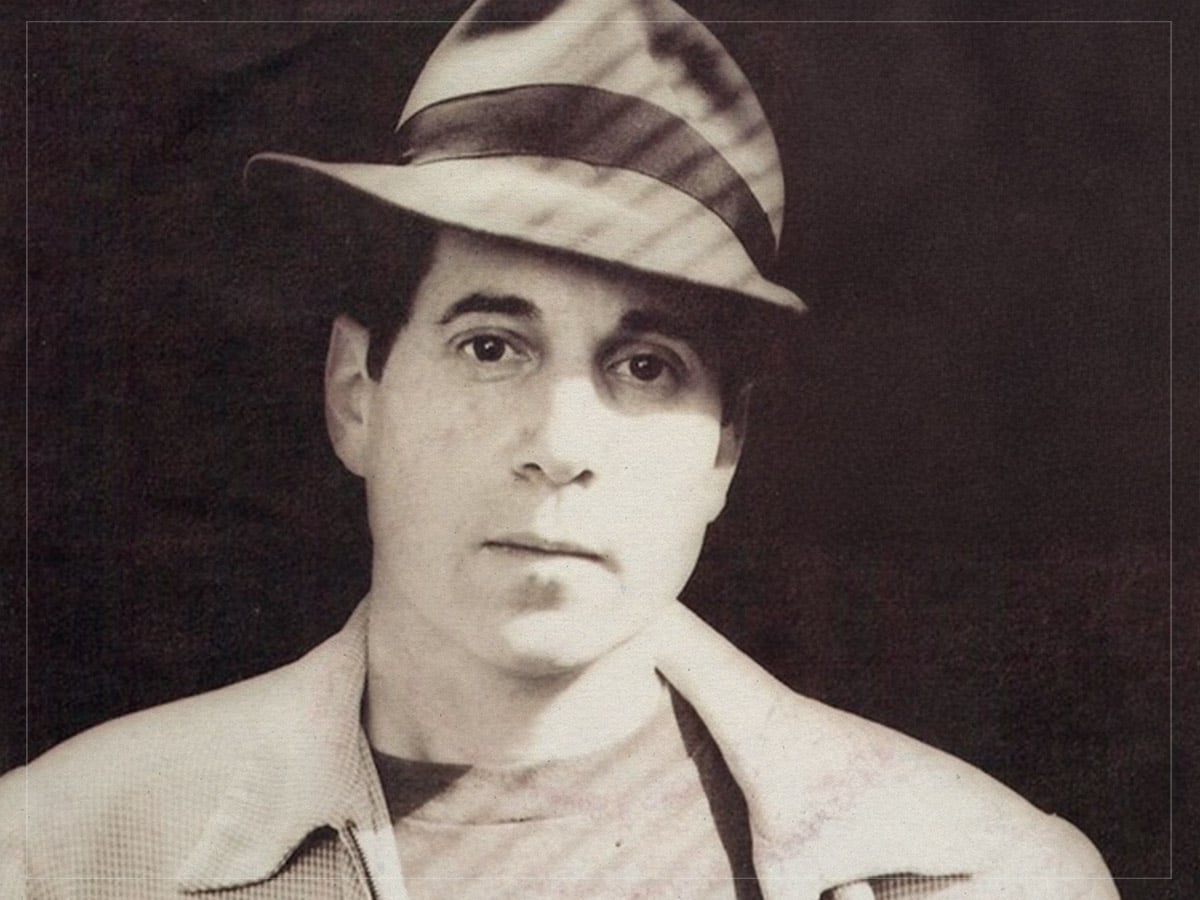
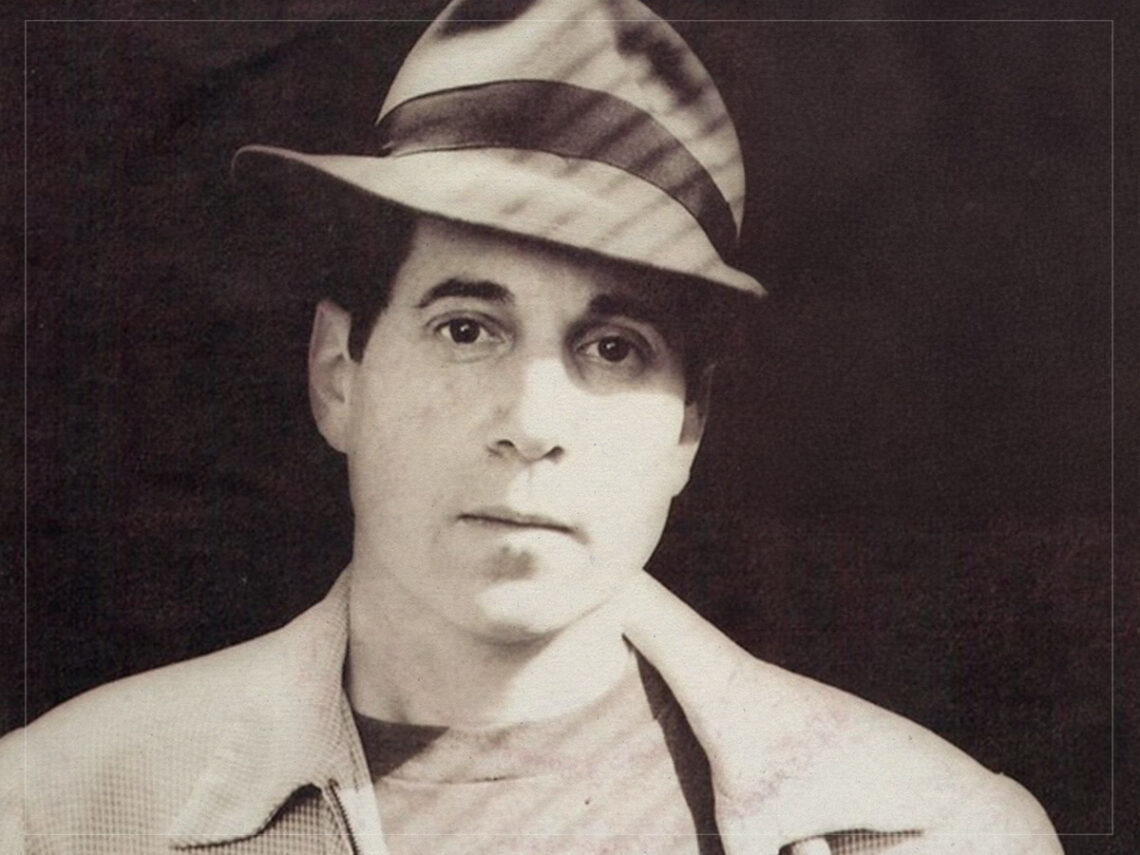
(Credits: Far Out / Album Cover)
Sun 1 February 2026 12:38, UK
Songwriting wasn’t an exact process for Paul Simon.
Although he’s renowned as one of the finest lyricists and composers of his generation, even teaching a class on songwriting during his brief sojourn to Britain before the success of Simon & Garfunkel, Simon didn’t have a specific formula he used to create his music. In fact, some songs had to be assembled bit by bit, as was the case for the title track to Simon’s 1975 album Still Crazy After All These Years.
“In ‘Still Crazy After All These Years,’ that title phrase came to me first,” Simon revealed to SongTalk in 1990. “And it didn’t come with melody, either. It just came as a line. And then I had to create a story.” With its jazzy chord changes and melancholy atmosphere, Simon credited the feeling of ‘Still Crazy’ to one of his collaborators at the time.
“I was studying with a bass player and composer named Chuck Israels at the time so I was doing more interesting changes,” Simon added. “I was studying harmony with him. Instead of using a minor chord, I use a major chord and go up a step. It is hard to get an interesting key change. I also like to write a bridge and just jump a whole tone up. ‘Still Crazy’ has that.”
‘Still Crazy’ had actually been developed in the public eye. When Simon appeared on The Dick Cavett Show in 1974, he previewed the first two verses of ‘Still Crazy’ while admitting that he didn’t have the rest of the song mapped out. Simon admitted that he had been “stumped for a while”, while Cavett bragged about finishing a lyric for Stephen Sondheim when the Broadway composer appeared on the show.
Simon eventually got around to finishing ‘Still Crazy After All These Years’ the following year. He would perform the song twice in two years on Saturday Night Live, the second of which became an iconic sketch thanks to Simon singing the song in a full turkey costume. Still, Simon was never fully happy with the finished product.
“The song is a bit darker than people think,” Simon explained to Q Magazine. “Because the chorus and the phrase are so suggestive of a long time passing, it has a touch of the ‘Auld Lang Syne’ to it. I don’t think people pay attention to the lyrics of the song, which makes me feel I probably wrote the wrong lyric to it.”
That dissatisfaction feels characteristic of Simon’s relationship with his own work. Even when a song connects deeply with an audience, he has often been more interested in what didn’t quite land as intended than in the applause it received. ‘Still Crazy After All These Years’ became one of his most recognisable songs, yet Simon continued to view it through the lens of craft rather than sentiment, hearing the compromises and missed turns more loudly than the praise.
In that sense, the song stands as a quiet example of how Simon’s writing process resists closure. A phrase arrives without a melody, a harmony opens a new emotional door, a performance crystallises something unfinished, and still the song never fully settles for its creator. That tension between intent and interpretation is baked into the music itself, and perhaps that lingering uncertainty is why ‘Still Crazy After All These Years’ continues to feel so human, unresolved, and strangely alive decades later.
Check out ‘Still Crazy After All These Years’ down below.
Related Topics