
The former health board chairman’s comments were branded “an insult to families” as the SNP Government faces mounting pressure over its role in the QEUH opening.
13:33, 01 Feb 2026Updated 13:36, 01 Feb 2026
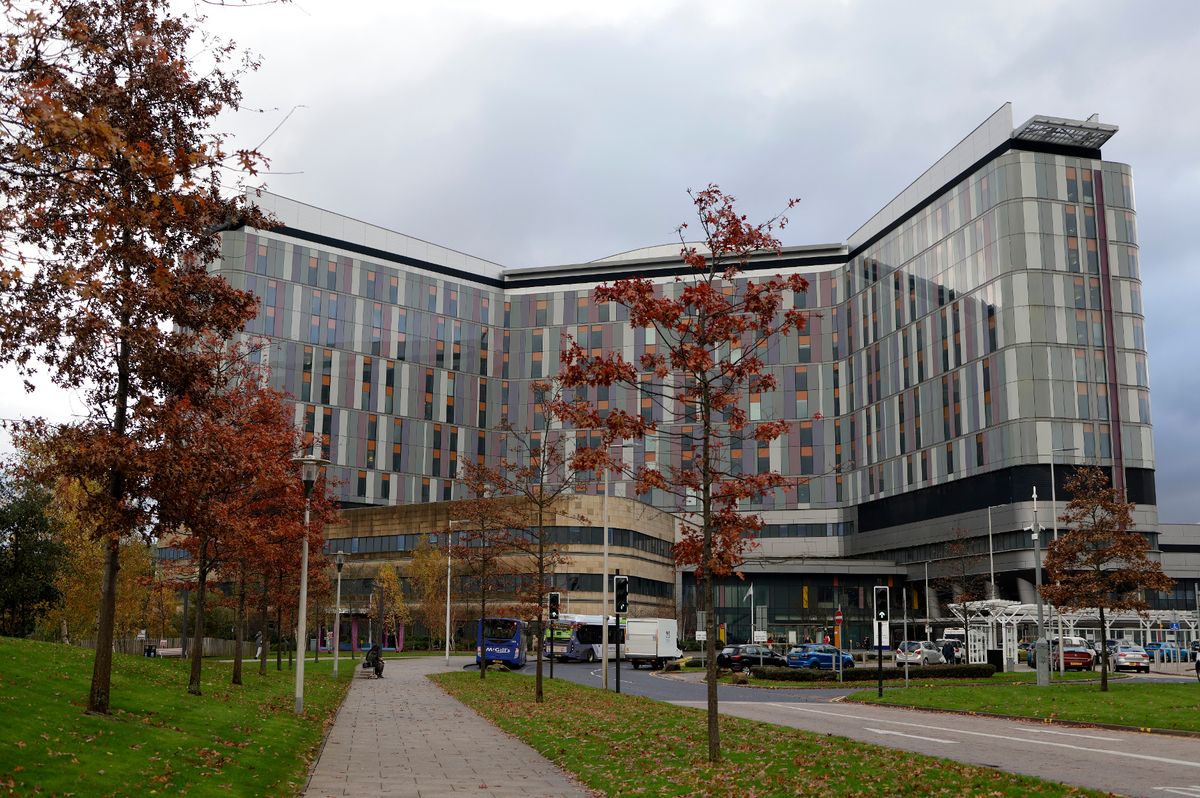
Queen Elizabeth University Hospital and it’s trust faced an inquiry after these deaths and infections(Image: Getty Images)
A former health chief who oversaw the building of Scotland’s £1bn super hospital has been accused of “disregarding reality”.
Andrew Robertson, who chaired NHS Greater Glasgow and Clyde (NHS GGC), denied the opening of the Queen Elizabeth University Hospital in 2015 had been botched.
In his first interview since a public inquiry was launched into why so many vulnerable patients died from infections at the £1bn health campus, the former lawyer claimed governance of the QEUH had been “pretty good”.
Robertson, who stepped down from the health board in 2015, also denied political pressure was placed on NHS bosses to open the hospital before it was safe to do so.
The QEUH started accepting patients just days before the 2015 general election. Documents written by a Scottish Government official following meetings with senior health bosses in 2019 clearly stated that “political pressure had been felt” and that “no consideration was given to delaying the opening of the hospital despite the issues being faced with completion and operation”.
The paper in question was submitted to an ongoing public inquiry into the QEUH and brought to public attention last week by Scottish Labour leader Anas Sarwar, who told John Swinney it was clear proof the opening was rushed.
Robertson told the Sunday Times: “There was continual interaction between the Scottish Government and the executive team in NHS GGC. We were both determined [to run to timetable] because from the Scottish Government point of view, it was critical with the expenditure and from our point of view it was critical for dovetailing in [opening the QEUH] with the services that were going to close.”
Robertson added he recalled only taking one direct phone call from an SNP minister. He said: “It was Shona Robison asking for a factual update on moving into the hospital with no undue pressure.”
Responding to his comments, Jackie Baillie said: “NHS GCC and the SNP Government have repeatedly failed to properly acknowledge the serious failures that placed patients at risk and ultimately led to avoidable deaths.
READ MORE: Younger Scots are reluctant to vote Labour and that’s a problem for Anas SarwarREAD MORE: Anas Sarwar vows to ban mobile phones in Scots schools during classes
“Comments such as these disregard the reality of what happened and the profound suffering endured by so many families affected by events at the Queen Elizabeth University Hospital.
“It is deeply disappointing to see greater concern for protecting reputations than for supporting those who were failed by these decisions.
“Ultimately, these families deserve far better, and that will only be achieved through full transparency and clear answers from both the health board and, most importantly, the SNP Government.
“The culture of secrecy must end.”
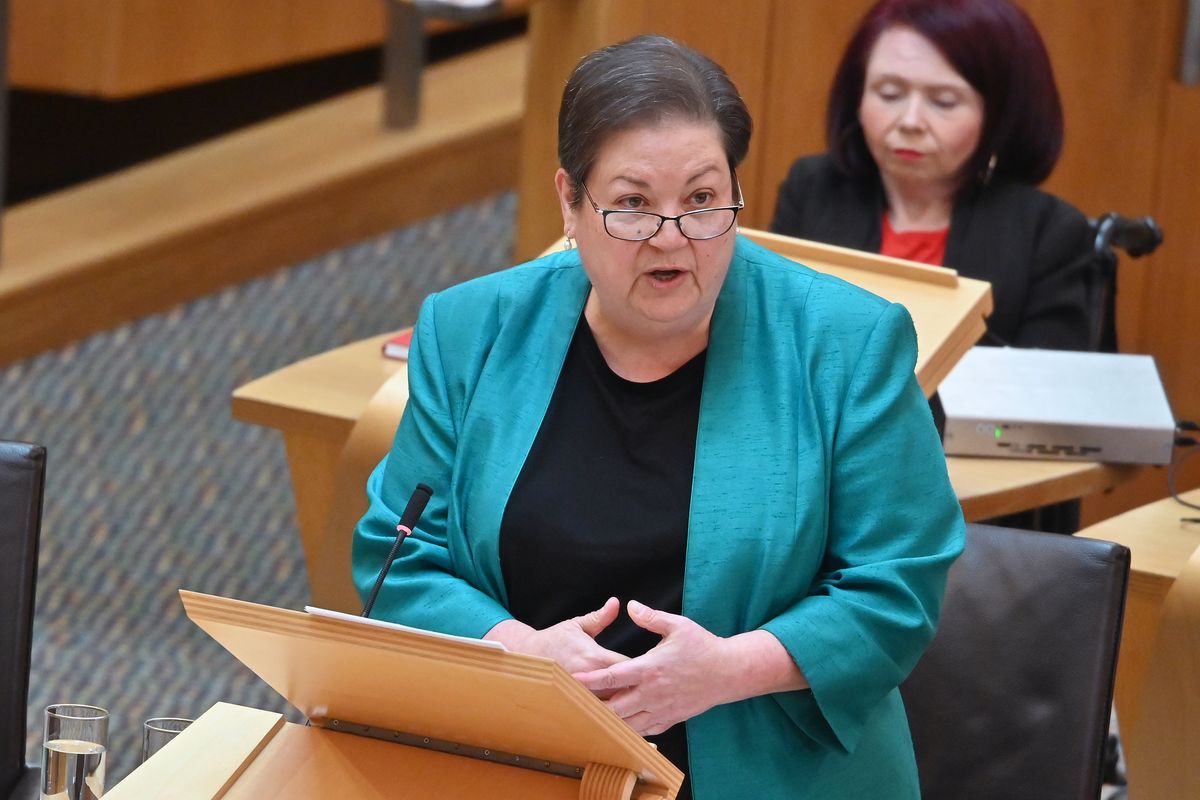
Scottish Labour deputy leader Jackie Baillie(Image: Ken Jack)
Dr Sandesh Gulhane, Scottish Conservative health spokesman, said: “These outrageous claims are an insult to families still grieving loved ones lost because of this appalling scandal.
“The truth is undeniable, SNP ministers – including Nicola Sturgeon – shamefully pressured the health board to open this hospital before it was safe, just days before an election.
“Patients have died and families have had years of being lied to by this secretive SNP government. It’s long past time they were honest with them.”
NHS GGC was finally forced to admit to the inquiry that water contamination had probably caused infections in scores of gravely ill patients – including two child cancer victims who subsequently died.
Milly Main, who died aged 10 in 2017, was successfully battling leukaemia when she developed a hospital-acquired infection at the QEUH.
The infection was not explained to her distraught parents at the time and only came to light after the intervention of NHS whistleblowers.
Robertson’s comments were published after proescutors announced they were now investigating seven deaths for potential links to the hospital environment at the QEUH.
The case of Molly Cuddihy, who died last August, has been passed to a specialist hospitals teams in the Crown Office and Procurator Fiscal Service (COPFS) which is also looking at the deaths of Andrew Slorance and Tony Dynes.
In four earlier cases, including Milly’s, a police report has been received and COPFS is considering whether to begin corporate homicide prosecutions.
The three more recent deaths at the QEUH campus are at an earlier stage of investigation.
To sign up to the Daily Record Politics newsletter, click here