
The Manchester Evening News sat down with the woman tasked with turning around a council service that has become notorious for failing children for years
(Image: Sean Hansford)
‘We’ve outlived Ruben Amorim’. Those were the first words from Tameside council’s director of children’s services as she sat down with the Manchester Evening News to mark her department’s progress after one year under her leadership.
This reference to the ousted Manchester United head coach was a callback to when Jill Colbert last sat down with the M.E.N. She previously pointed out that children’s services directors have a similar average lifespan to football managers – 2.5 years.
Her Amorim quip was quickly caveated with ‘success can be short lived though’. Taking the stairs up and onto the top floor of the Tameside One council building in Ashton, Jill was perched on a desk in conversation with some of her team.
Her casual demeanour as she welcomed the M.E.N into her office is not what you’d expect of someone tasked with turning around a council service that has been failing for a decade. But this epitomises her management style – front facing.
The director of children’s services (DCS) was jovial on a Friday afternoon, and she had good reason to be. The latest Ofsted monitoring report made for much better reading than the ones that have come before.
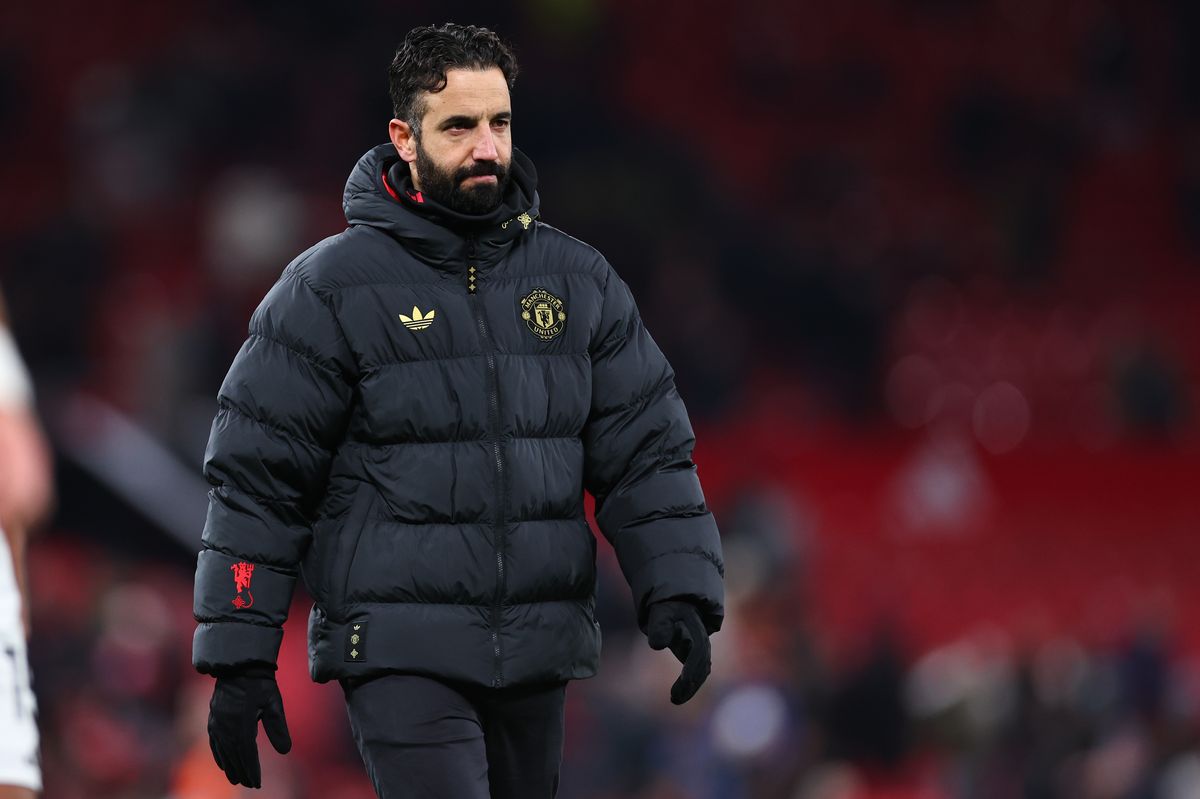
Ruben Amorim’s time at United lasted only 14 months(Image: 2025 Robbie Jay Barratt – AMA)
In the report, published this week, the DCS was praised by inspectors Lisa Summers, Lisa Walsh and Jane Ayres for her ‘intricate understanding of frontline practice’ and developing a ‘secure platform to engage with frontline staff’.
Children’s services in the borough has been undergoing a huge improvement overhaul since it was rated inadequate by Ofsted two years ago. Jill, who has been in post for one year, has outlined her vision to create services that support children, families and staff – set out in her child centred improvement plan.
First and foremost though, the DCS wanted to re-energise her staff and boost morale. This has been achieved through a style some football fans would know as ‘man management’.
The floor of the children’s services department is littered with inspirational posters on the wall, Jill has brought in, despite her cringing and describing them as ‘corny’.
Speaking on her leadership style, Jill said: “The most important thing for me, always, is to try and stabilise morale, mood and atmosphere. In other words, the culture and the climate people are working in.
“I think it’s the same for most organisations. If you don’t feel safe and supported you can perform to a high standard.
“There has been a lot of ‘start again, start again’ over many years here. We’re not doing it like that now.
“Good social workers have started to believe their judgement is wrong, so we’re trying to put confidence and trust back in. Even though I didn’t have the managers I needed to begin with, I could do some of that myself by just being present and available.”
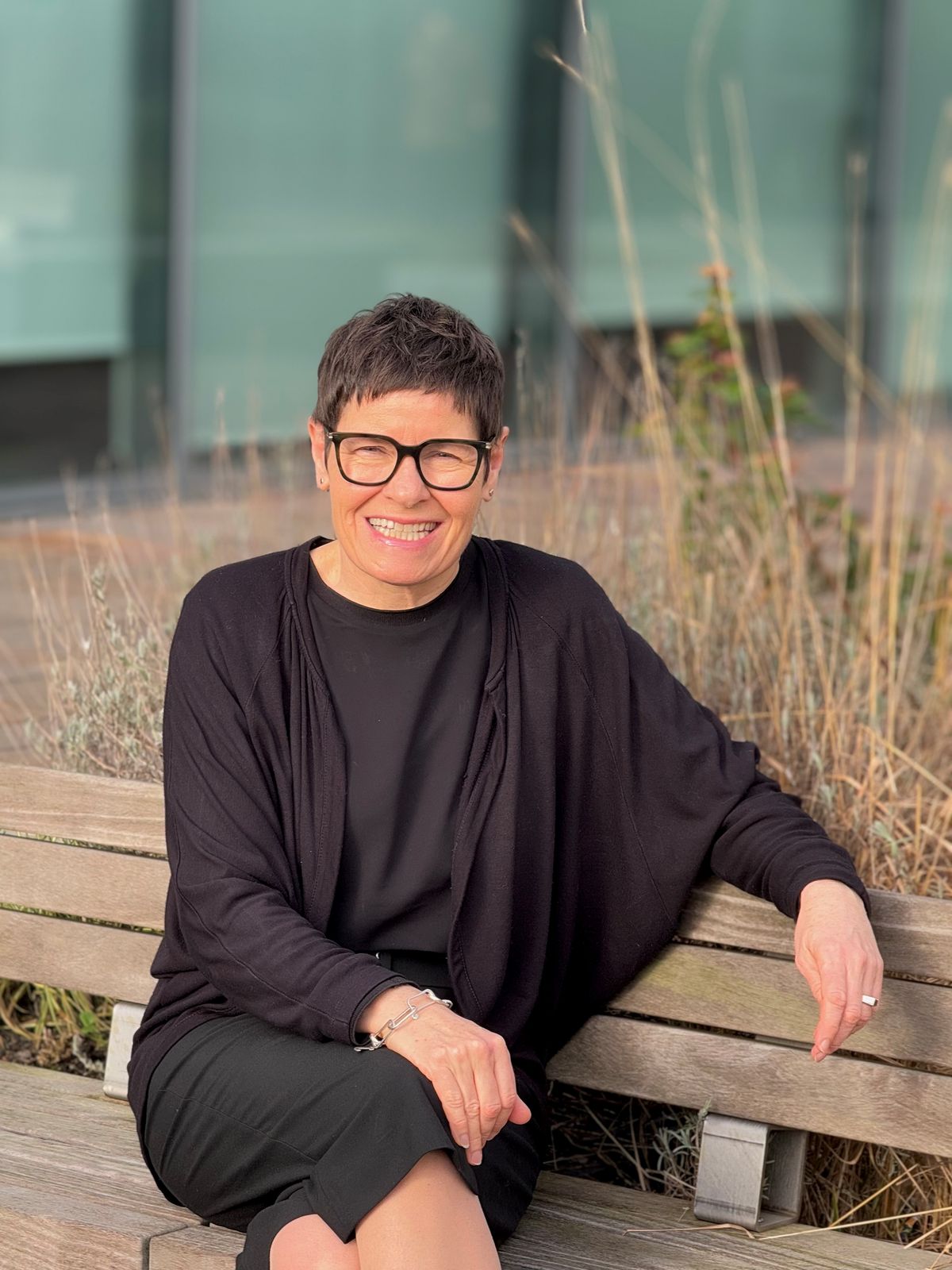
Jill Colbert OBE, director of childrens services at Tameside council(Image: Tameside council)
This is night and day from the picture painted by Andy Couldrick’s scathing report back in September 2024. The children’s commissioner’s initial report described failures, toxicity and an oppressive and bullying culture within the service.
His latest report, published earlier in January, where Mr Couldrick said the ‘foundations for improvement’ are finally in place. Following this win, where Jill was heaped with praise, the DCS was happy with the findings in Ofsted’s latest monitoring report, which focused on one particular section of the service.
The DCS referred to the area the education watchdog looked at as ‘front door social work’.
“They came into Tameside One and looked into children we have legal responsibilities to look after,” Jill explained. “That in itself is complicated as it doesn’t mean they’re all children just living in care homes or in foster care, they’re children who we’ve had to wrap our framework around.
“They might be living with family or extended family like grandparents, aunties and uncles.
“Ofsted looked at the quality of assessments. Say, for example, we get a call and there are three children who need urgent intervention they would be the sort of children that may have fallen into this because they’ve come through the safeguarding frontdoor for a rapid assessment and a determination for the next right step of the process – going to court or going home.
“Ofsted were very clear in the 2023 inspection that this was an area where we’ve performed really poorly. This is the heavy end of child protection work.
“It’s the work where you’re holding a lot of risk in trying to understand what is the right way forward for the family. This is the core of child protection work.”
The report did say the service improvement has been ‘hindered’ by a lack of permanent senior management. But two new assistant directors in children’s social care had only recently been brought into post when the Ofsted visit took place in December. An education assistant director is due to start in February.
The main drawback highlighted by inspectors was that where children were at risk of harm, there are still inconsistencies in performance.
The report read: “Where children are at risk of harm, the response for some is not sufficiently robust, child centred or timely. The timeliness and quality of strategy discussions are inconsistent.
“Some discussions fail to consider children’s history. Poor recording means that it is sometimes unclear if all relevant partners attend meetings, and, as a result, decisions are made with incomplete information. Some strategy discussions lack curiosity and risk indicators are not fully explored.”

Council building in Ashton-under-Lyne, Tameside(Image: Sean Hansford)
Jill was quick to point out that this does not refer to children at risk of sexual harm. The DCS explained there is a strict protocol on the matter in collaboration with Greater Manchester Police.
She added that there isn’t a historical issue of child sexual exploitation (CSE) like there is in nearby boroughs of Oldham and Rochdale. This ties in with the improved multi-agency work that was almost ‘non-existent’ before her tenure, according to Ms Colbert. The multi-agency push has moved the service towards greater collaboration with NHS healthcare professionals and Greater Manchester Police.
Inspectors also highlighted inconsistencies in the quality and impact of social work practice, including the quality of assessments, plans, and planning. Criticisms went further as inspectors found some children are not living in homes according to their assessed needs.
The report did emphasise that permanency for children is now a clear priority. Permanency comes through children and families seeing the same social worker, Jill explained.
The DCS has worked to reduce reliance on agency workers since she came in last year in order to improve the experience for children. Reduction in agency staff is vital for cutting costs in a service that is currently forecast to be over budget by £7.1m.
Jill has also introduced weekly panels, allowing leaders better visibility of plans for children and creating opportunities for social workers to explore the best long‑term options for each child.
Despite some of the remaining criticisms of the service, inspectors described staff as ‘caring’ and ‘compassionate’. Taking pride in doing well for children and families is what many would generally accept as the core of social work.
Visibly beaming when these words were echoed back to her, Jill said: “They do a tremendous job. Sometimes there is talent hidden in the corner that you can’t find, certainly in a place where they’ve been criticised for so long.
“Why would you put your head above the parapet when you can get vilified. With the right conditions, encouragement and support people can see they can do a really great job.”
Summing up exactly what she wants from her department going forward, Jill added: “We put children and families back at the heart of everything we do. If we do that we won’t go far wrong.
“Being on the same page, it is an undervalued ingredient. The page everyone has been on here in the past has been one of ‘make it look good, get it over the line, don’t let Ofsted see our mistakes’.
“I say we will make mistakes, let’s learn from them and fail fast. Don’t hide from things that are difficult or difficult conversations.”

Michael Carrick has impressed with two wins in two at Manchester United(Image: (Photo by Justin Setterfield/Getty Images))
The next big milestone for the children’s services boss is in Spring, when Jill expects Ofsted to visit again to look at her special educational needs and disabilities (SEND) department – which is also undergoing an improvement journey. A full re-inspection from Ofsted isn’t expected until next year, at the earliest.
Circling back to her own footballing reference, much like Man United’s newest manager Michael Carrick, Jill has made a good start to life. But can it last and be made a success if the question.