
It is estimated that between 40 and 75 per cent of people infected with the virus will die
The UKHSA has shared advice on a potentially fatal virus(Image: Getty)
Health experts have urged travellers to follow specific advice amid the outbreak of a potentially deadly virus. Cases of Nipah virus have been reported in parts of Asia.
In an update, the UK Health Security Agency (UKHSA) explained that understanding the virus is “important” if you are planning to travel to one of the areas where it circulates. The natural hosts of the virus are fruit bats.
But there is evidence that Nipah virus can infect other animals. Human outbreaks of Nipah virus have only been identified in South and South-East Asia.
Most recently, an outbreak has been reported in West Bengal in India, however, previously affected countries include:
- Bangladesh
- India
- Malaysia
- The Philippines
- Singapore
Symptoms
According to the UKHSA, the incubation period (the time between becoming infected and symptoms appearing) is typically four to 21 days. Symptoms usually begin with the sudden – onset of non-specific flu-like illness or fever.
Pneumonia and other respiratory problems may also develop. The UKHSA said: “The most serious complication is encephalitis (inflammation of the brain) or meningitis, which typically develops three to 21 days after the initial illness begins.
“This is the hallmark of Nipah infection and is associated with a very high mortality rate.” The virus has a high mortality rate among humans.
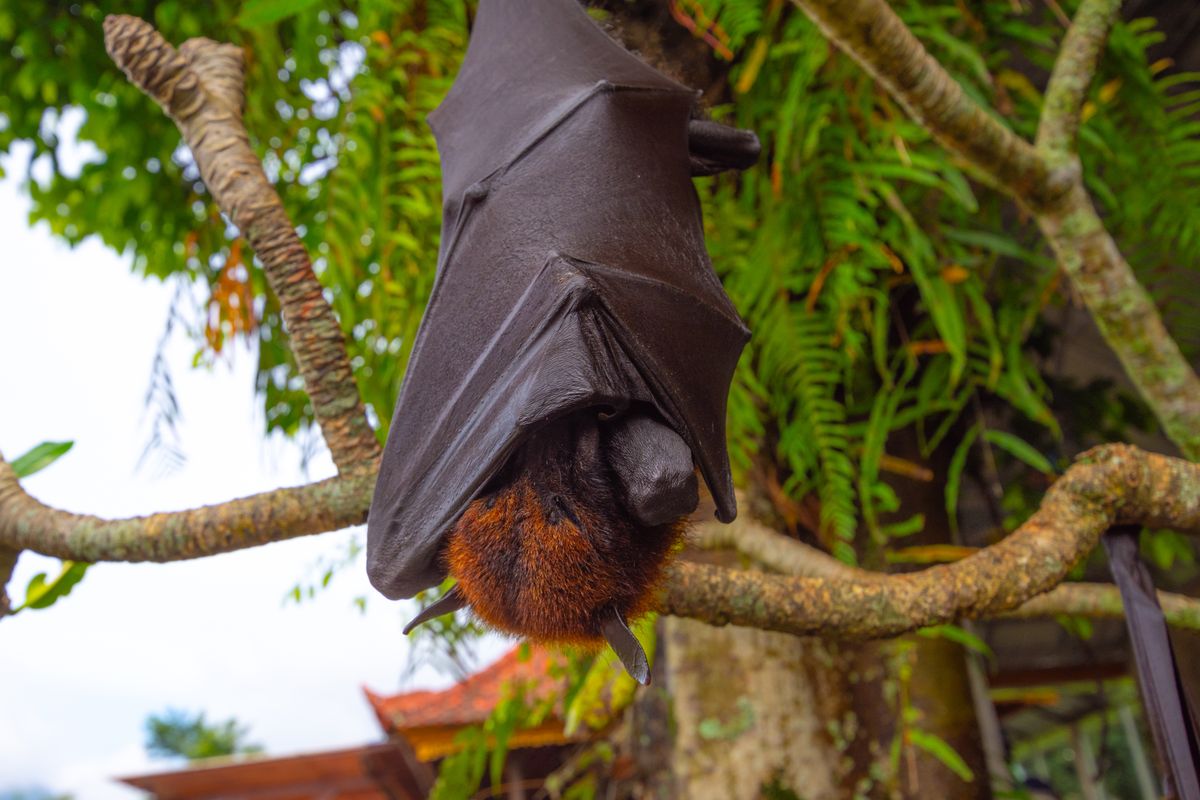
The natural hosts of the virus are fruit bats(Image: Getty)
“It is estimated that between 40 and 75 per cent of people infected with Nipah virus will die,” the UKHSA said. “Some survivors may be left with lasting neurological difficulties, including persistent seizures and personality changes.
“In rare cases, the virus can reactivate months or even years after the initial infection.”
Transmission
Human infections can occur through direct contact with an infected animal and their secretions. However, many infections result from the consumption of fruits or fruit products (such as raw or partially fermented date palm juice) contaminated with the poo, urine or saliva of infected fruit bats.

The UKHSA said: “If you develop symptoms while overseas in an endemic area, seek advice from a health professional immediately.”(Image: Getty)
The UKHSA added: “Person-to-person spread is possible through close contact with an infected person or their body fluids. This has been documented in Bangladesh and India, most commonly among family members and close contacts caring for infected patients.
“Those with respiratory symptoms may pose a transmission risk.” Currently, there is no proven specific treatment for Nipah virus infection, and no preventative vaccine.
Advice for travellers
To stay safe, the UKHSA recommends the following steps if you are travelling to an affected area:
- Avoid contact with bats and their environments, and sick animals
- Don’t consume raw or partially fermented date palm sap – if consuming date palm juice, ensure it has been boiled first
- Wash all fruit thoroughly with clean water and peel before eating; avoid consuming fruit found on the ground or fruit that appears to have been partially eaten by animals
- Wear protective clothing and gloves when handling sick animals and during slaughter and culling procedures
- Practise good hand hygiene, particularly after caring for or visiting sick people
- Avoid close, unprotected contact with anyone infected with Nipah virus, including contact with their blood or body fluids
The UKHSA said: “If you develop symptoms while overseas in an endemic area, seek advice from a health professional immediately. If you develop symptoms after returning to the UK, contact your healthcare provider and make sure to mention your recent travel history.”