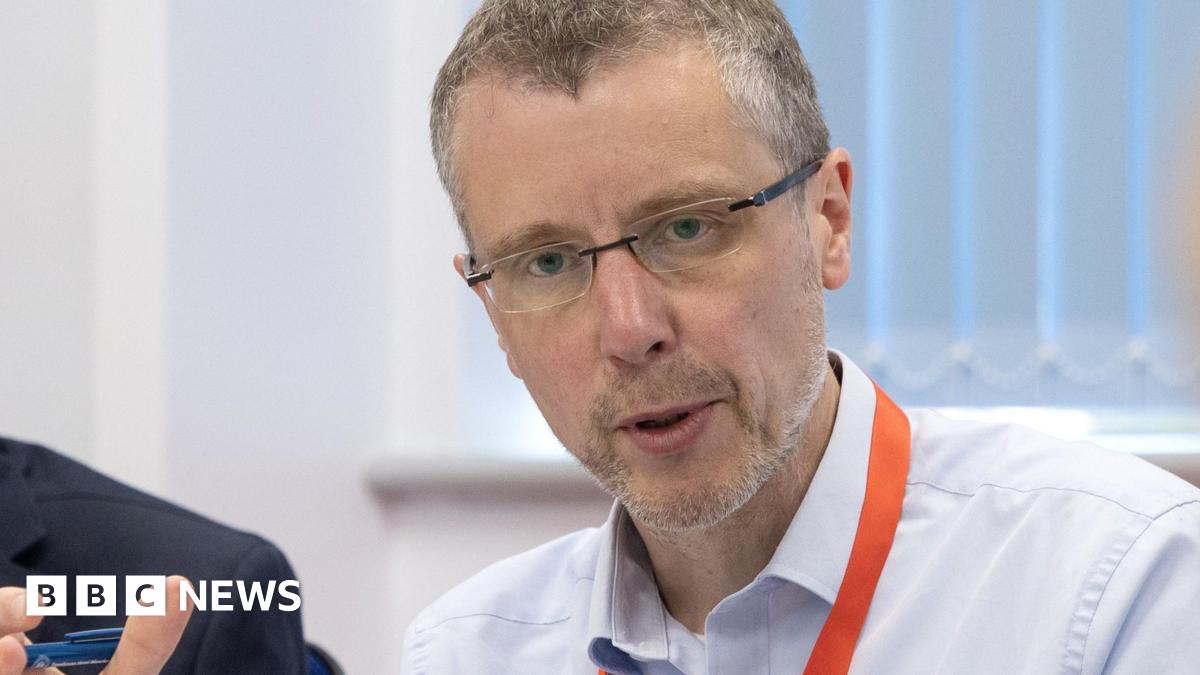
He said: “I think the main concern is the fact that this is very new technology and there’s lots of stories from the US, from China, other parts of Europe, around the world, where this new technology goes wrong. It ruptures.
“CO2 is a very heavy gas, so if it leaks or breaches, it will settle around residential areas where people live, where we’ve got wildlife.”
He added: “It benefits nobody in the Wirral, but we get all the disruption and all the chaos.”
Peak Cluster has said the “majority of the land” would be restored to its former state after work to install the pipeline.
However both Anna and Booth said they were concerned that statement is “contradictory”, with the company also planning to install above-ground architecture over a “football pitch” sized area including a 50m chimney vent.
Booth said: “That’s not land reverting back to type, that is a complete coastal eyesore overnight or however long it takes to build.”
In a statement, Peak Cluster’s chief executive, John Egan, said: “When construction ends, we will reinstate the majority of the land so it can be used in the same way as it was before and, just as with other pipelines under our feet, the land will look and feel just as it did before.”
He said the pipe would run at a lower pressure than the UK’s National Transmission System, but would be higher pressure than the wider gas network providing gas to homes and businesses.
“I understand it’s our responsibility to reassure people on that point,” said Egan.
“We will be regulated by the Health and Safety Executive like all other gas pipelines and under the same regulations.”