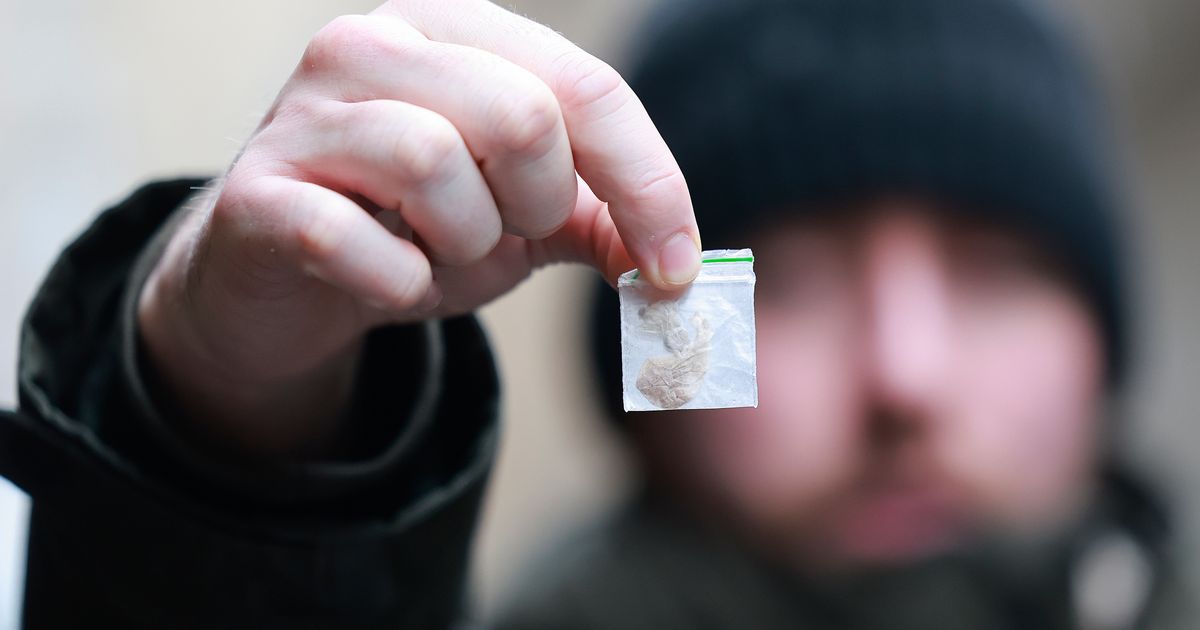
A batch of drugs bought by Edinburgh Live on city centre streets contained a super-strength opioid ‘1,000 times stronger than morphine’, we can reveal.
We launched a wide-ranging investigation after being told such narcotics, often cut with heroin, have been responsible for a growing number of drug deaths in the capital. Going undercover, we were able to obtain a 20-bag in under 45 minutes.
After sending the sample off to be tested at Welsh charity WEDINOS, we were informed our sample contained heroin cut with etonitazene – part of the nitazene family of synthetic opioids experts say is 1,000 times more potent than morphine and 200 times more toxic to the human body.
Catriona Matheson, professor of substance use at the University of Stirling, and has worked as a specialist consultant for local authority drug death reviews as well as sat as chair of a ministerial drug death task force in Scotland, warned the discovery of etonitazene in the capital is alarming.
“Nitazenes are becoming more common in the UK, showing up more and more in our drug death data,” she said. “Nitazenes went from zero in our drug death data to over 20 in 2023.
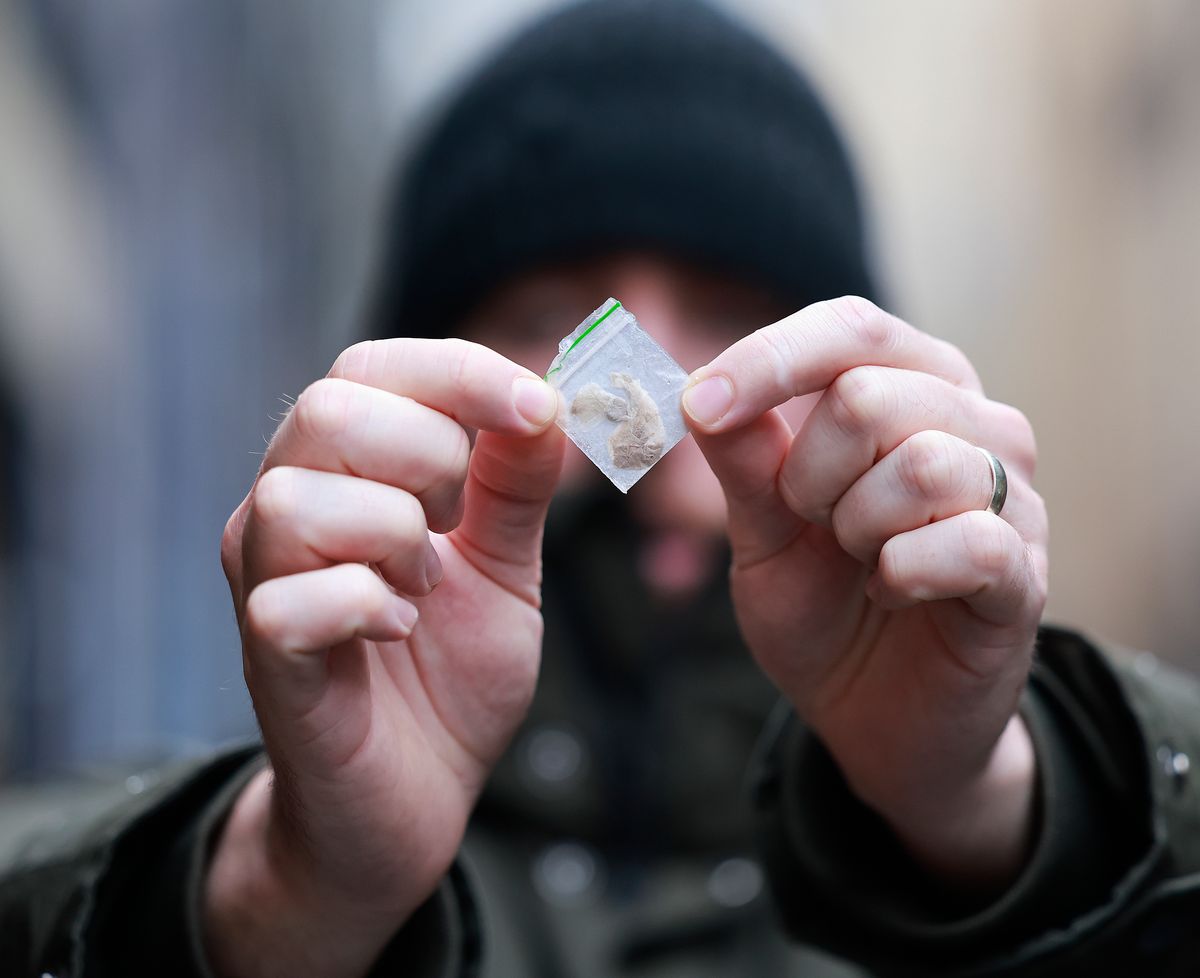
We sent a sample of heroin we purchased in Edinburgh off to be tested.
“While determining the potency of nitazenes can be difficult due to their fine make up, a recent pharmacology paper looking at post mortem concentrations found etonitazene to have a potency of around 1,000 times that of morphine. They also found how it metabolises in the body relates to it being 200 times more toxic than morphine.
“It is becoming more common for street heroin to be contaminated with etonitazene. Heroin is more difficult to get nowadays due to supply routes from Afghanistan being considerably disrupted.
“This is leading to dealers using synthetic substances to achieve the opiate-like effect. But getting the quantity right is difficult as the people making them are not using high tech equipment in labs, there is no accuracy.
“A user could buy a product from a dealer one day and the next day the amount of nitazenes used could be a lot higher, increasing the risk of a fatal overdose. We do not use nitazenes pharmaceutically because they are so potent and hard to work with.”

Professor Catriona Matheson.
Catriona warned the risk of death is considerably higher if a heroin batch is contaminated with etonitazene due to its potency. She said advice is now being given for double doses of naloxone medication to be administered when a suspected overdose is detected due to the deadly risk posed by nitazene contamination.
“Nitazenes are relatively rare but it is on the increase,” she said. “The drugs market is in a bit of flux and that means the use of nitazenes will continue.
“But drug dealers don’t want to kill their market, and if they are, they are doing something wrong. The test results from your sample show a lot of mixers are used to bulk it up.
“Paracetamol, noxapine (cough medicine) and papavine (deworming medicine) show they are just putting anything in and mucking about. It is the nitazenes which are the potent elements that are still not fully understood.
“It is well recognised that the poppy field destruction in Afghanistan by the Taliban has caused a lag suppliers are trying to fill. Unfortunately they have turned to these synthetics which caught people out and led to deaths.”
Michael Eddleston, professor of clinical toxicology at the University of Edinburgh and a consultant physician for the National Poisons Information Service, is part of a world-leading clinical toxicology research team based at Edinburgh’s BioQuarter. He detailed how etonitazene has been driving the American drug death epidemic over the last decade.
“It is a synthetic opioid drug that is at least 500 times stronger than heroin and ten times stronger than fentanyl, the drug that has been driving the American drug death epidemic over the last decade and killed Prince.,” he said.
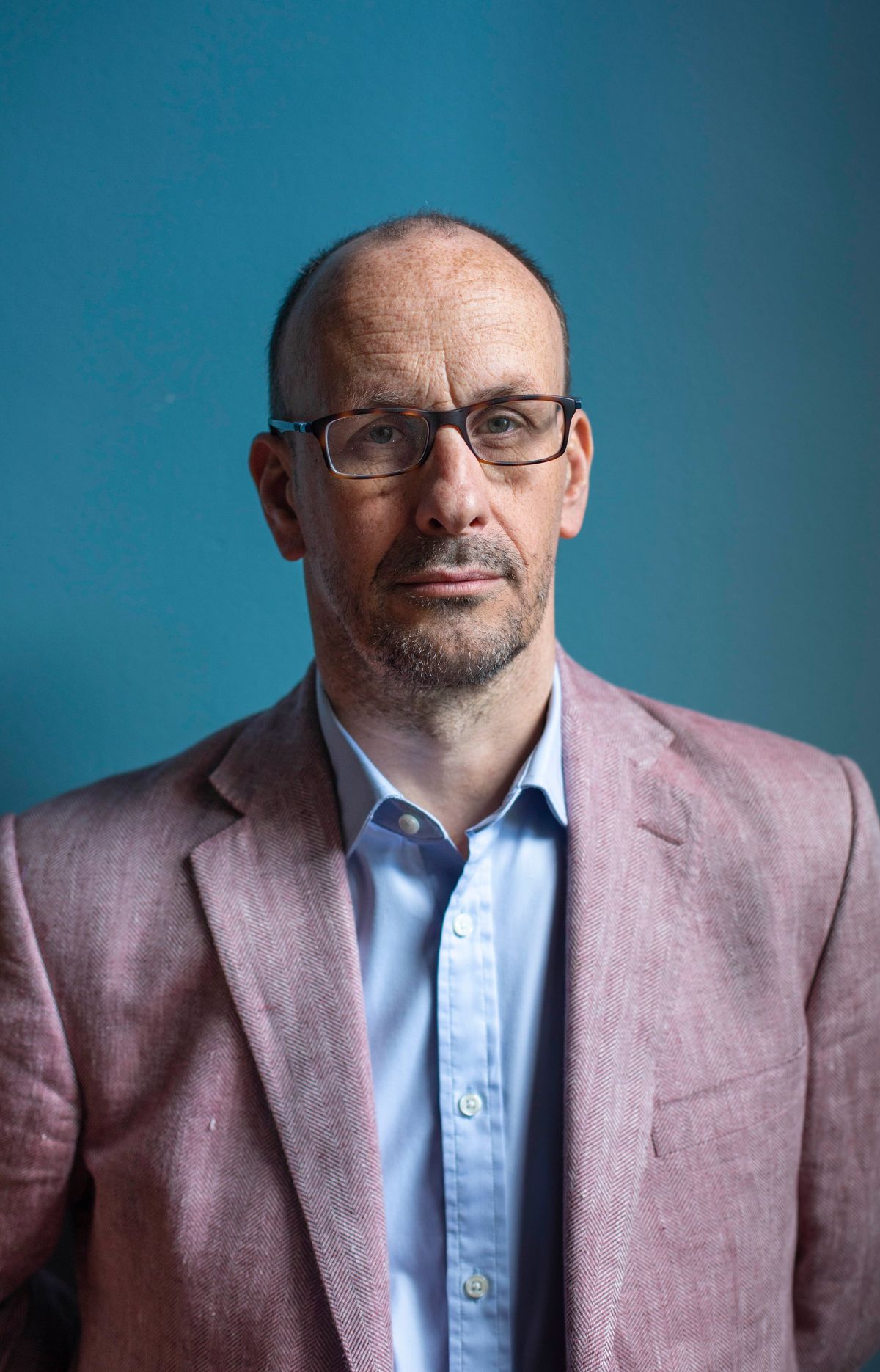
Professor Michael Eddleston.
“Etonitazenes were developed and patented in 1957 by Ciba Pharmaceutical Products but not used for humans due to its extreme potency. It was rediscovered over the last decade and is now being produced as an illegal drug of abuse.
“People using heroin contaminated with etonitazene are at high risk of overdosing and suffering respiratory arrest (stopping breathing) and dying due to its remarkable potency. The introduction of drugs contaminated with etonitazene into Edinburgh and Scotland risks another rise in drug deaths, after a reduction over the last three years. It could be a disaster.”
His research focuses on finding ways to stop people dying from acute poisoning. Due to the major Scottish problem of mixed opioid/benzodiazepine overdose drug deaths, his team are currently assessing whether the antidote for benzodiazepines, flumazenil, can be given safely to unconscious patients not responding to the opioid antidote naloxone.
The trial, RUFUS, will tell them whether they could give flumazenil pre-hospital in the community as is currently done for naloxone to save lives during suspected overdoses.