
An Arctic-style weather blast has prompted a mass iguana cull in Florida after wildlife officials sanctioned residents to gather up the cold-stunned reptiles and hand them in to be euthanised.
Tens of thousands of incapacitated iguanas fell from trees in parks, gardens and streets, forced into a state of torpor by temperatures that, in places, dipped below freezing and set records in the Sunshine State.
For the first time in its 26-year history, Florida Fish and Wildlife Conservation Commission issued an executive order granting residents a two-day window to remove inert iguanas from the wild and take them to collection points for humane disposal.
Blake Wilkins, owner of Redline Iguana Removal in Hollywood, south Florida, said he could “barely keep up. I’ve picked up close to 3,000 so far”, as he wheeled a bin full of iguanas off a domestic property.
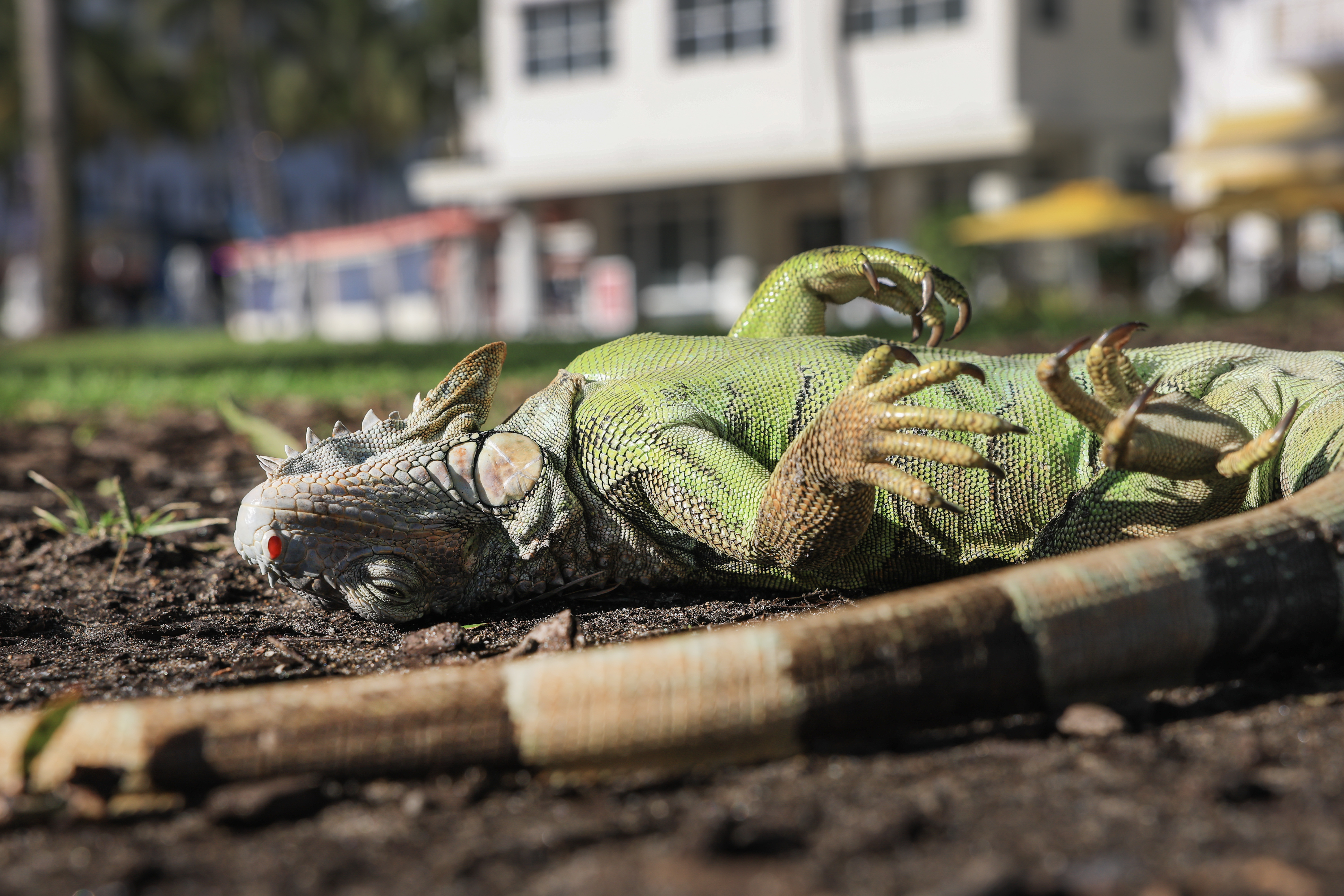
Green iguanas cannot regulate their body temperature in the cold
JOE RAEDLE/GETTY IMAGES

Green iguanas are an invasive species in Florida, believed to have descended from individuals released by — or escaped from — exotic animal traders and owners. They are not legally protected, except by anti-cruelty laws, and can be killed humanely. However, possessing one, including for transportation purposes, requires a permit.
The two-day waiver on Sunday and Monday allowed residents to drive them to collection depots in a “secure, escape-proof cloth sack or bag” placed inside a secondary locked container.
Iguanas are cold-blooded and cannot regulate their body temperature, causing them to lose muscle control temporarily when the air temperature is sustained near freezing point. In that state, they appear comatose or frozen. Dragon-like in appearance, they can grow up to 6ft long.
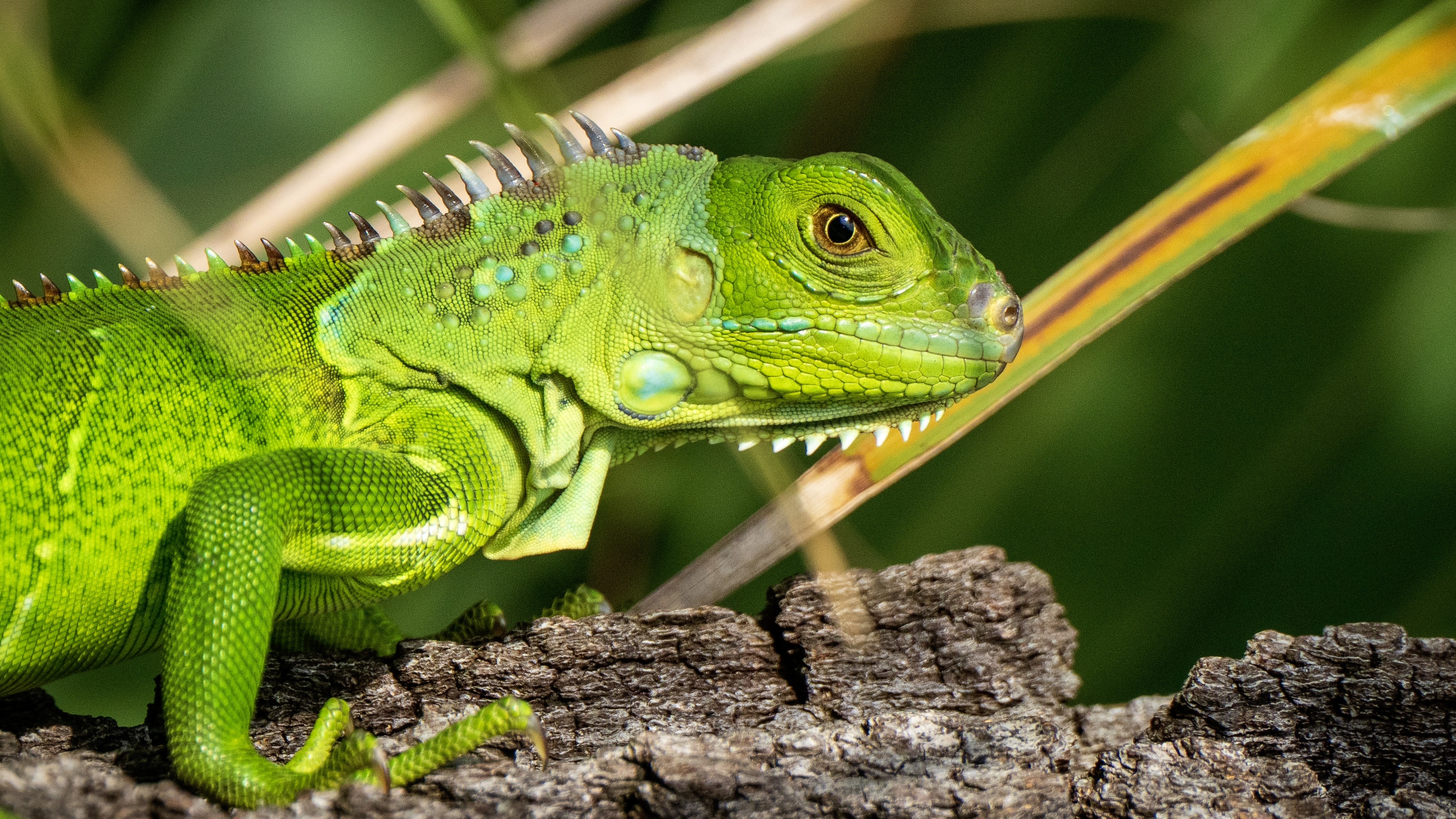
The conservation commission urged residents not to linger in transporting them and not to take them into their homes to warm up. “Iguanas can recover from cold-stunning more quickly than you might expect and, once recovered, can act defensively, with long tails that whip and sharp teeth and claws,” it said.
The green iguana population in southern Florida is estimated to be more than one million. They are considered a pest as they compete for food with native species and burrow into infrastructure such as canal banks and properties.
“This cold spell’s an opportunity to thin out the population. Most people are glad to see the back of them,” said Wilkins.