The National Pharmacy Association has hit out at the ‘scandal’ of shortages of certain vital medicines.
Hanna Geissler and Ewan Mowat Deputy Lifestyle, Trends, & Showbiz Editor
11:24, 03 Feb 2026
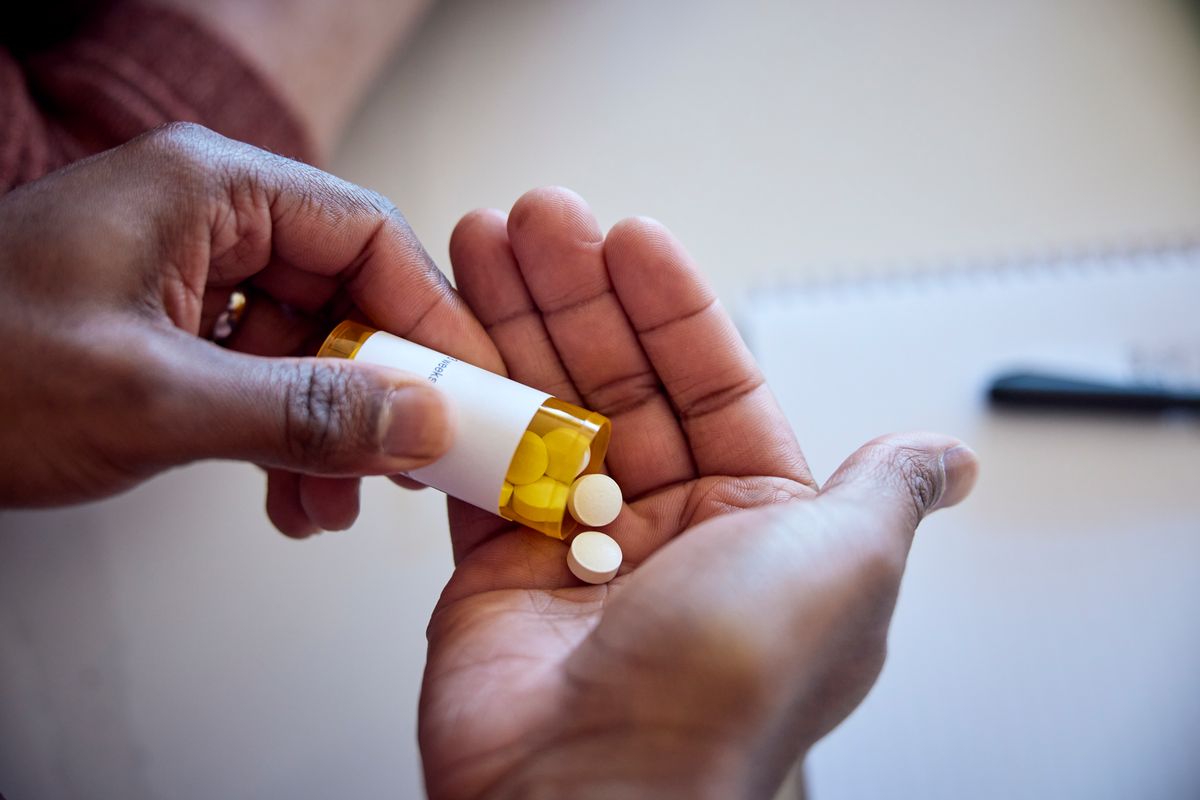
A warning has been issued over shortages of common medication(Image: Getty Images)
A warning has been issued over common medication with pharmacies reportedly being “pushed to the edge”. There are worsening shortages of certain vital medicines due to serious supply chain issues and NHS underfunding, sector leaders have said.
The National Pharmacy Association (NPA) recently warned of widespread shortages of aspirin, which is needed to prevent heart attacks and strokes in some people. It comes after shortages in blood pressure drugs including propranolol and ramipril.
Global supply constraints have led to some shortages in the medical sector, but pharmacies have sounded the alarm over the shortfall between the cost of dispensing drugs and the amount they are reimbursed by the NHS, The Express reports.
The NPA said the price of a packet of 75mg aspirin dispersible tablets had shot up from 18p in early 2025 to £3.90 last month, but the NHS only reimburses pharmacies £2.18. Blood pressure drug Irbesartan costs pharmacies £6.09, but they receive only £1.68 from the health service, according to NPA analysis.
Henry Gregg, chief executive of the NPA, branded it a “scandal”. He warned that pharmacies may have to close due to the cost discrepancies and said that the shortage issues would cause further problems for patients in need.
He told the i Paper: “It is a scandal that all too often pharmacies are subsidising the cost of the nation’s medicines. It pushes pharmacies to the edge of closure and exacerbates chronic problems with medicine supply. The Government must stop funding pharmacies below the cost price of medicines — no other part of the NHS would tolerate this.”
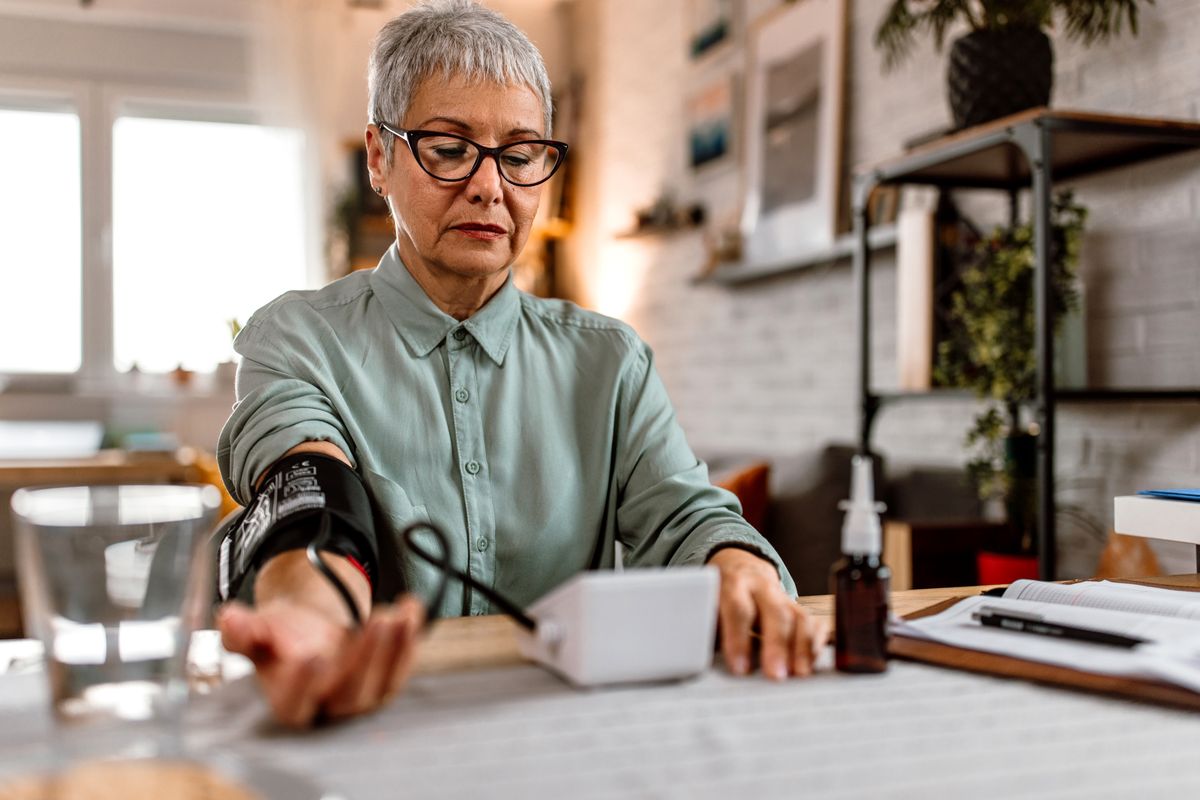
People on blood pressure medication may be hit by the shortages(Image: Getty Images)
A recent report by the Company Chemists’ Association (CAA) warned that dispensaries in pharmacies were becoming overrun by record NHS demand and inflation.
CAA chief executive Malcolm Harrison said: “Dispensing, whilst often undervalued and overlooked, provides enormous benefits to patients, the NHS, and taxpayers.
“Community pharmacies remain the cornerstone of local, accessible, high-quality healthcare, yet mounting pressures threaten their ability to fulfil this role.
“Decades of underfunding have weakened the sector, and without urgent investment and reform, patient access to essential services will be at risk.”
Pharmacy leaders have urged the UK Government to give them greater powers to substitute medicines to combat shortages.
Currently, they are unable to make simple substitutions for prescribed medications that aren’t in stock. This means patients are forced to turn to their GP for a new prescription.
Join the Daily Record WhatsApp community!
Get the latest news sent straight to your messages by joining our WhatsApp community today.
You’ll receive daily updates on breaking news as well as the top headlines across Scotland.
No one will be able to see who is signed up and no one can send messages except the Daily Record team.
All you have to do is click here, select ‘Join Community’ and you’re in!
We also treat our community members to special offers, promotions, and adverts from us and our partners. If you don’t like our community, you can check out any time you like.
To leave our community click on the name at the top of your screen and choose ‘exit group’.
If you’re curious, you can read our Privacy Notice.
Dr Leyla Hannbeck, chief executive of the Independent Pharmacies Association, said: “It is incredibly worrying to see shortages of essential medicines such as aspirin and blood pressure treatments appearing in pharmacies.
“These low stock levels are partly due to manufacturing delays, but also because pharmacies are simply unable to order the quantities they need.
“The reality is that the prices paid for many medicines by the NHS are so low that manufacturers often prioritise supplying other countries instead, leaving the UK pushed to the back of the queue.
“It is vital that the Government urgently reviews how medicines are reimbursed to pharmacies, otherwise these shortages will only worsen.
“In the meantime, anyone affected by a medicine shortage should speak to their local pharmacist, who is a highly trained healthcare professional and can advise on suitable alternatives where available.”