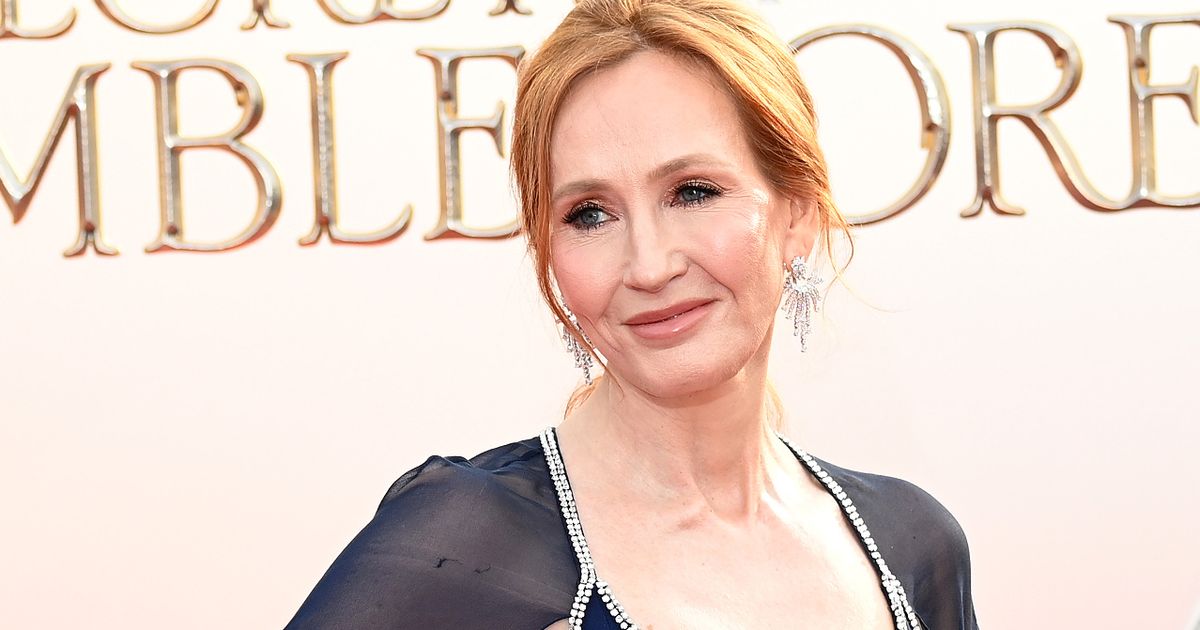
The billionaire author has made a huge political as well as cultural impact on Scotland over the last 25 years.
20:00, 03 Feb 2026
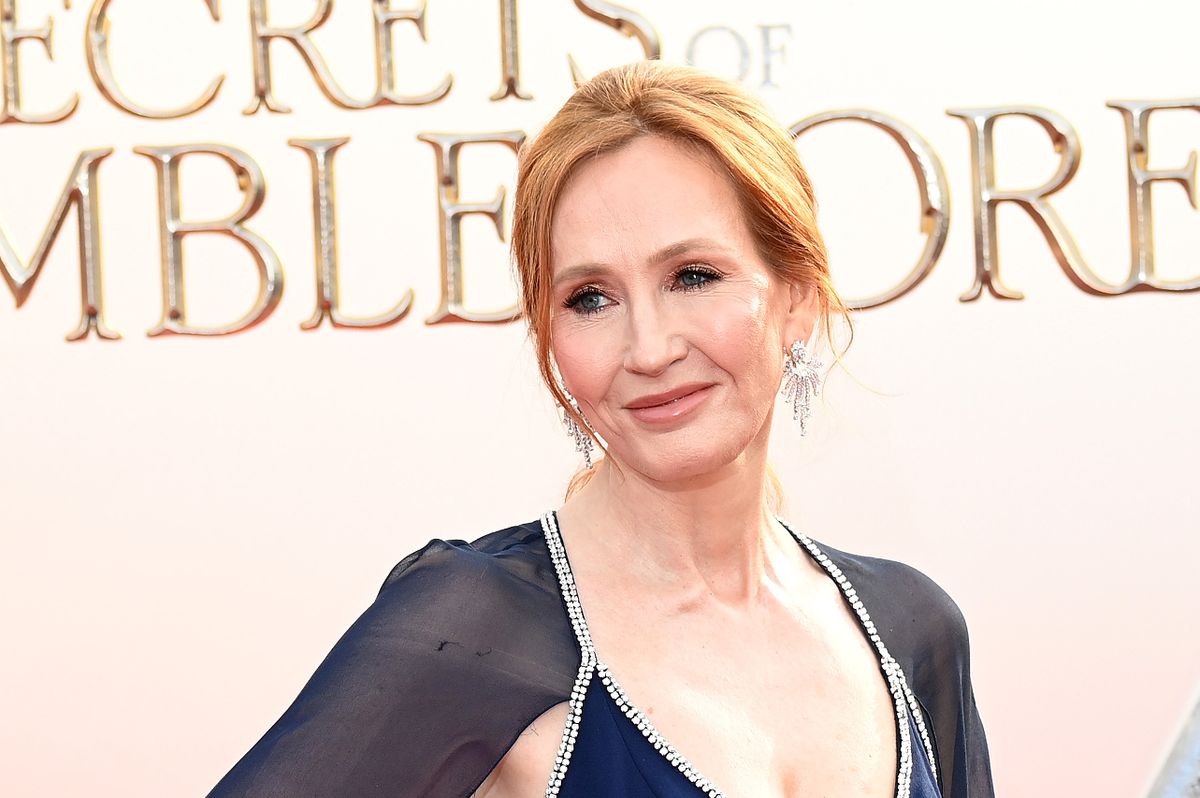
Rowling moved to Scotland in 1993 and continues to call the country home(Image: Getty Images)
JK Rowling recently topped a list of the 25 Britons who have most defined the country in the 21st century so far.
The New Statesman, an influential left-leaning political magazine, declared the billionaire author had “changed Britain” thanks to the global success of her Harry Potter series of children’s novels.
Explaining its decision, the publication added: “What really ensures Rowling the top spot in this list is her political as well as cultural impact”.
Rowling, 60, has long called Scotland home. The story of how she wrote the first Potter novels while living in Edinburgh is almost as well-known as the wizard himself.
The scale of her success as an author is extraordinary. Rowling paid £47.5 million in tax in the UK last year as royalties continue to pour in from her books and an array of other projects.
This level of wealth has allowed Rowling to become one of the country’s leading philanthropists. Forbes magazine estimates she has donated more than $250 million in the past 20 years to various charitable causes.
But it’s also helped the writer to become one of the most prominent political donors in Scotland. As befitting her status as one of the world’s best known authors, there is an entire Wikipedia page dedicated just to her political views.
READ MORE: Ferguson Marine workers ‘optimistic’ SNP Government-owned shipyard can win new ordersREAD MORE: Ex-NHS Glasgow chief ‘insulting families’ after defending Queen Elizabeth University Hospital opening
Rowling was a high-profile and committed supporter of the Better Together campaign against Scottish independence. In the weeks and months before the 2014 referendum, she regularly tweeted her opinions to her millions of followers on why Scots should stick with the UK.
She also donated £1m to the pro-Union campaign in June that year. She explained her decision in a 1,600 word essay published on her official website.
Rowling said she was “friendly with individuals involved with both the Better Together campaign and the Yes campaign, so I know that there are intelligent, thoughtful people on both sides of this question.”
But she added: “My hesitance at embracing independence has nothing to do with lack of belief in Scotland’s remarkable people or its achievements. The simple truth is that Scotland is subject to the same 21st century pressures as the rest of the world.
“It must compete in the same global markets, defend itself from the same threats and navigate what still feels like a fragile economic recovery. The more I listen to the Yes campaign, the more I worry about its minimisation and even denial of risks.”
The Better Campaign won out – 55 per cent of Scots voted to stick with the UK. But the IndyRef wasn’t the first time she made a major political donation.
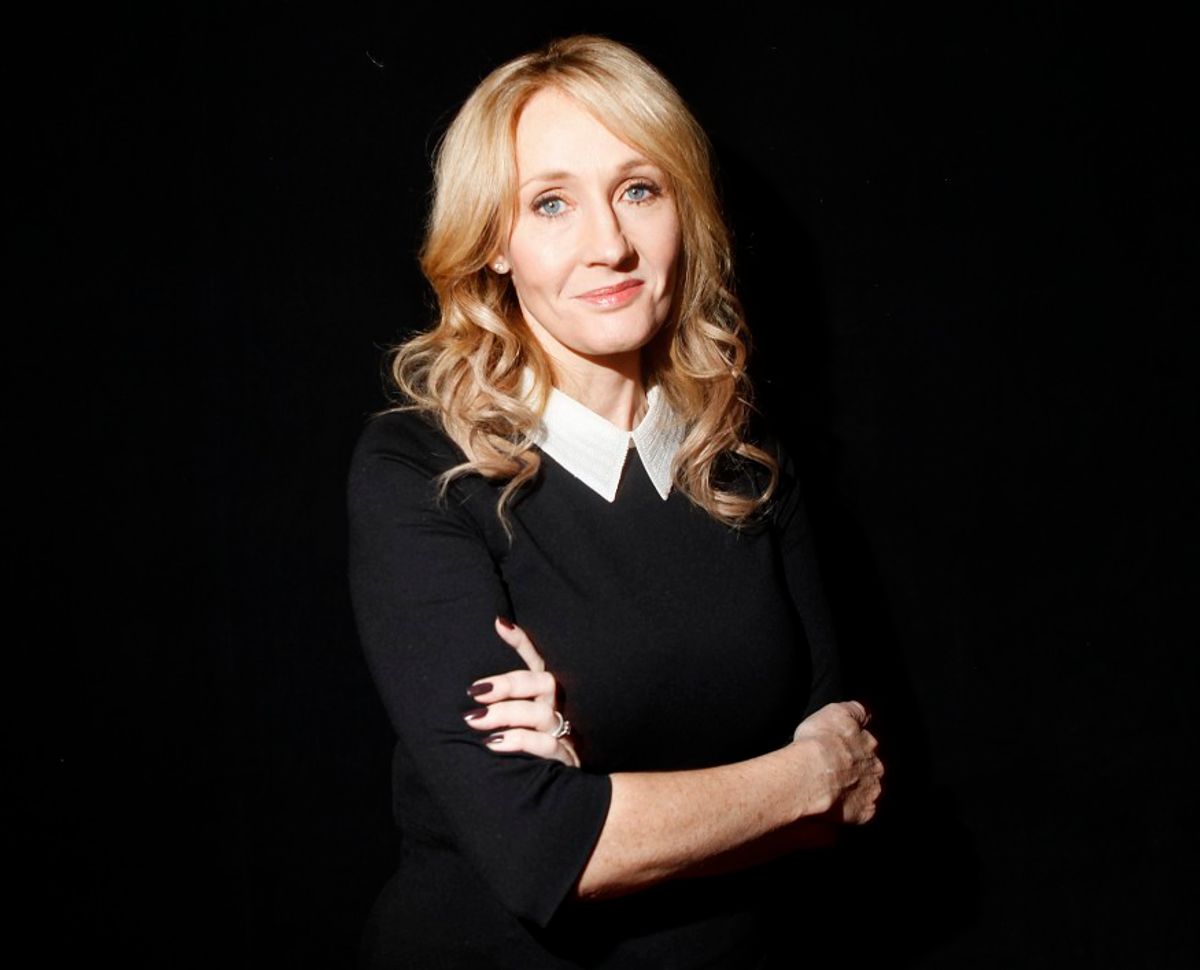
Author J.K. Rowling pledged £1m to the Better Together campaign and said: “It doesn’t take a wizard to work out that Alex Salmond’s case for breaking up the UK simply isn’t a risk worth taking.(Image: REUTERS)
In September 2008, Rowling donated £1m to the Labour Party under its then leader, Gordon Brown. It came at a time the Scots prime minister was struggling for political survival.
The writer said: “The Labour Government has reversed the long-term trend in child poverty, and is one of the leading EU countries in combating child poverty. Gordon Brown has consistently prioritised and introduced measures that will save as many children as possible from a life lacking in opportunity or choice.”
Brown lost the 2010 general election. But he did prevent the Conservatives from winning an outright majority – a result that forced the Tories to form a coalition with the Lib Dems. The Labour vote also held up well in Scotland, with the SNP returning just six MPs.
But Rowling’s previous support for Labour and Better Together pales in comparison to the controversy generated by her stance on transgender rights.
In a 2020 essay, she expressed her concern about the importance of biological sex in transgender identity. In the years since, Rowling has become the figurehead of the global gender-critical movement. As the New Statesman noted: “In the process, she lost her status as the universally adored creator of Harry Potter and instead became a polarising participant in the ongoing gender wars”.
Last year, it was announced Rowling she would be founding the J.K. Rowling Women’s Fund, using her personal fortune. The website for the group states that it “offers legal funding support to individuals and organisations fighting to retain women’s sex-based rights in the workplace, in public life, and in protected female spaces.”
“I looked into all options and a private fund is the most efficient, streamlined way for me to do this,” she said. “Lots of people are offering to contribute, which I truly appreciate, but there are many other women’s rights orgs that could do with the money, so donate away, just not to me.”
As the New Statesman concluded: “Whatever one’s perspective on Rowling or gender politics, the landscape has shifted. The transgender movement, once gaining ground throughout the late 2010s, has stalled in the UK; polling reflects declining support for trans rights and a rise in negative sentiment.”
To sign up to the Daily Record Politics newsletter, click here