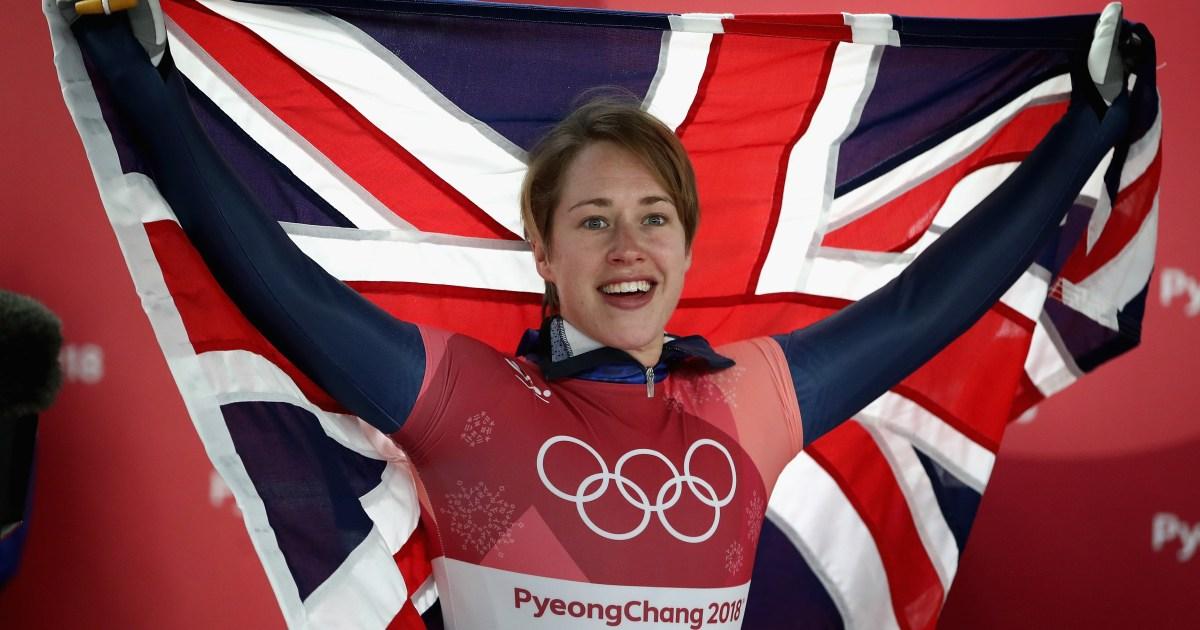
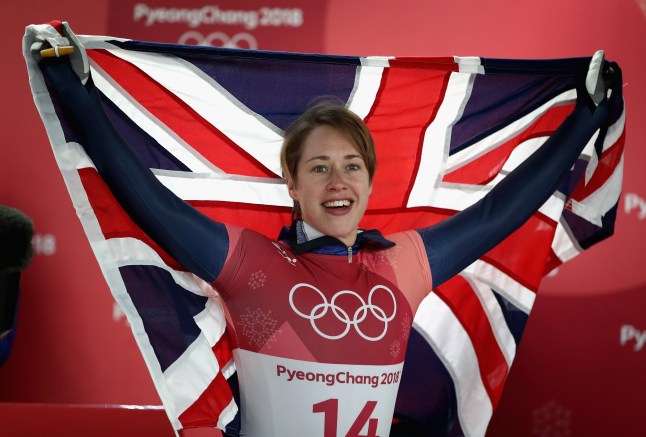
Lizzy Yarnold is Great Britain’s most decorated Winter Olympian (Picture: Getty)
The Milan-Cortina Winter Olympics begin on Friday, as the world prepares to spend the next two weeks discussing curling, biathlon, and ski mountaineering.
Great Britain are taking 53 athletes to the Games, with tentative predictions suggesting they expect four to eight medals to be won. The record at one Games is five, in both 2014 and 2018.
And despite Ben Nevis not quite reaching the heights of Mont Blanc or Mount McKinley, Britain has a rich history over a century of the Winter Olympics, and there are plenty of past heroes to draw inspiration from.
Here are all 12 of our previous gold medal triumphs to whet your appetite for the next two weeks of drama.
Madge Syers – figure skating (1908 – unofficial)
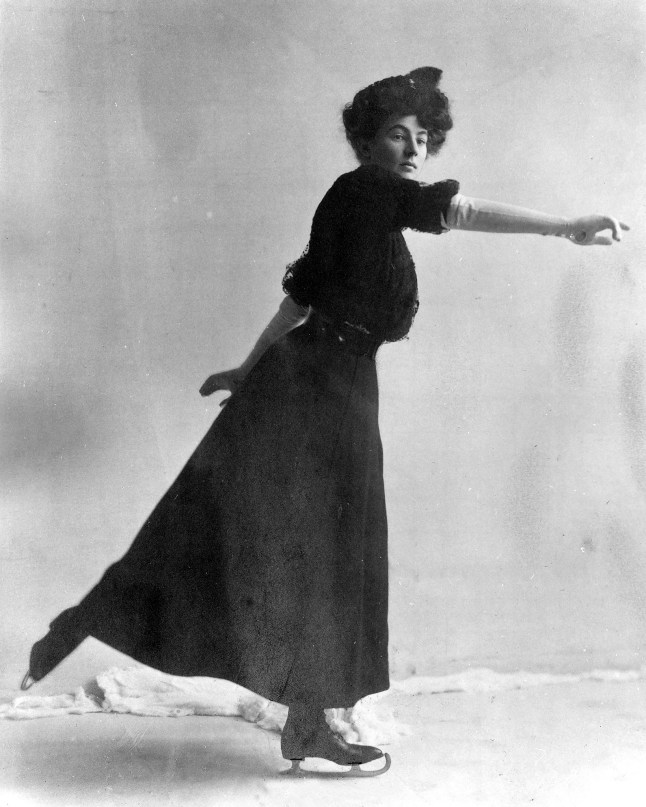
Syers clinched Great Britain’s first-ever medal (Picture: Getty)
The Winter Olympics are over a century old, first taking place in Chamonix in 1924, but Britain’s first winter medallist predates them.
The Olympic Games founder, Pierre de Coubertin, had successfully integrated figure skating into the summer Olympic programme, as the sport made its debut in London in 1908.
There, a 29-year-old Madge Syers stole the show in the ladies’ singles event to take gold, having won the 1906 and 1907 ladies’ world championships – even if the Olympic medal doesn’t count in the official Winter Olympic total.
In 1902, she became the first woman to compete at the World Figure Skating Championships, winning a silver medal.
Men’s team – curling (1924)
In the first official Winter Games, William Jackson, Robin Welsh, Thomas Murray, and Laurence Jackson took home the inaugural curling Olympic gold medal.
They beat Sweden 38-7 and France 46-4 to triumph, but it took 82 years for the International Olympic Committee to confirm the medals counted and were not technically for a demonstration event instead.
Welsh in particular was a remarkable athlete, as he represented Scotland at both tennis and rugby in addition to his winter pursuits.
Men’s team – ice hockey (1936)
The Nazi-sponsored Olympics in Garmisch-Partenkirchen threw up a huge surprise in the ice hockey tournament.
Canada entered the Games as the four-time reigning champions, and were favourites to make it a fifth, but took home silver after a dramatic 2-1 loss to Great Britain, who went on to close out the victory against Czechoslovakia and USA in the final group stage format.
That meant captain Carl Erhardt and his team became the world’s first team to hold the Olympic, World, and European titles concurrently.
Jeannette Altwegg – figure skating (1952)
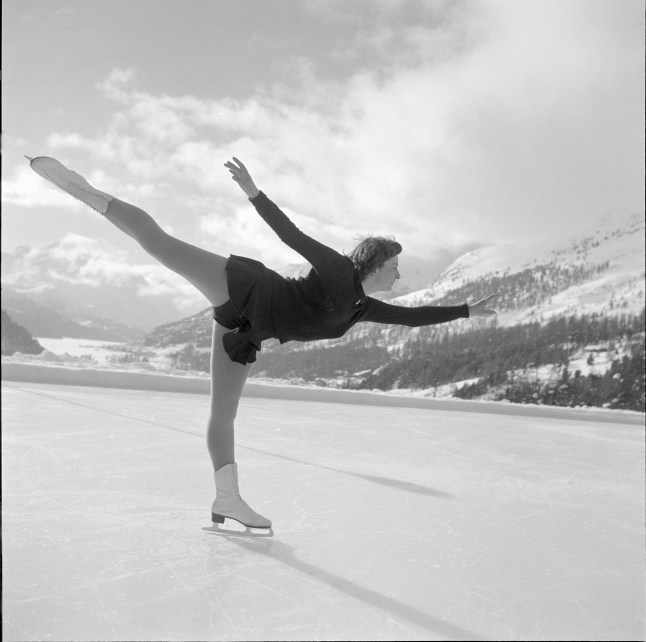
Altwegg shone on the ice for Great Britain (Picture: Getty)
The Oslo Games were unusual for the ease of skating competition, as many events in that era struggled with poor ice conditions or bad weather.
In the ladies’ singles event, Jeannette Altwegg upgraded her 1948 bronze medal to a gold one, following success at the 1951 World Championships.
Altwegg was born in India to a Scottish mother and Swiss father but was raised in Liverpool, and in 1947 participated in the junior Wimbledon finals, while her daughter Chrstina Wirz was a member of the 1983 Swiss World champion curling team.
Robin Dixon and Tony Nash – bobsleigh (1964)
The two-man bobsleigh of Nash and Dixon became Britain’s first gold medallists in the sliding sports at the Innsbruck Games.
They pipped two Italian teams to the win by 0.12 seconds after their 4min 21 run, and their names are remembered after a curve at the St Moritz-Celerina Olympic Bobrun was named after them.
Dixon later became Lord Glentoran, holding positions as Shadow Minister for Northern Ireland and Shadow Minister for Sport as member of the Conservative party.
John Curry – figure skating (1976)
It would take another 12 years and a return to Innsbruck for the British team to crown another Olympic champion, but this was no fluke.
By April 1976, John Curry held the European, World, and Olympic titles in the men’s singles and was overwhelmingly understood to be the greatest skater in the world, as his Olympic final performance earned the highest ever score.
By coming out as gay the same year, he became the world’s first openly gay elite sportsperson, before retiring to develop his touring skating company.
In 1987, Curry was diagnosed with HIV and seven years later, he passed away after suffering an AIDS-related heart attack.
Robin Cousins – figure skating (1980)
Taking up Curry’s mantle four years later at Lake Placid was Robin Cousins, a Millwall goalkeeper’s son from Bristol.
Cousins earned fewer points than silver medallist German Jan Hoffman but won gold due to the cumulative ranking system across the three disciplines; compulsory figures, short programme, and long programme, in which he produced an astounding 5.9/6 performance to usurp the German.
His victory earned him 1980’s Sports Personality of the Year and he would go on to win four World Professional Figure Skating titles.
Jayne Torvill and Christopher Dean – figure skating (1984)
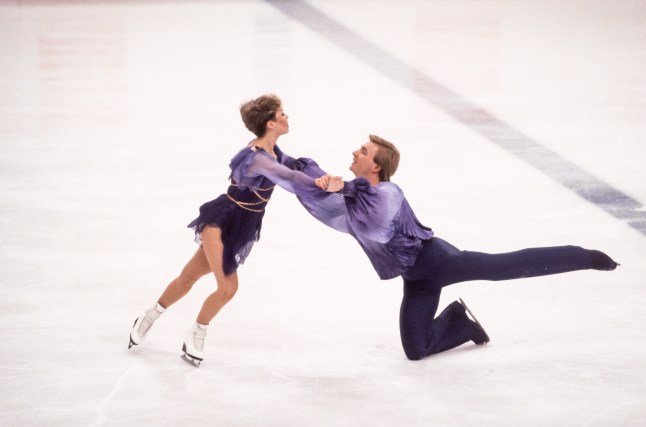
Torvill and Dean are two Winter Olympic icons (Picture: Getty)
The ice dancing event debuted in 1976, drawing inspiration from ballroom dancing rather than the high lifts of pairs figure skating, but it is synonymous with only two names in this country.
Jayne Torvill and Christopher Dean placed fifth in 1980 but enjoyed unparalleled success after quitting their jobs to focus on ice dancing, as they won four consecutive World Championships from 1981-1984.
In Sarajevo in 1984, 24 million Brits tuned in to watch them become Olympic immortals as they received 12 perfect 6.0 scores, a record to this day.
And following a nine-year hiatus in which they became professional, regulation changes allowed the pair to compete at Lillehammer in 1994, where they won a bronze medal.
Women’s team – curling (2002)
It took nearly 20 years for the British winter Olympic team to win another gold, and Rhoma Martin, Debbie Know, Fiona MacDonald, Janice Rankin, and Margaret Morton certainly won it the hard way.
In Salt Lake City, the British team required two tie-breakers, against Sweden and Germany, just to make it out of the first round, entering the semi-finals as the lowest seed.
There, a dramatic final-end victory over top seeds Canada earned Britain the chance to face Switzerland in the final, where they again scored the deciding stone in the very last end to win 4-3.
Amy Williams – skeleton (2010)
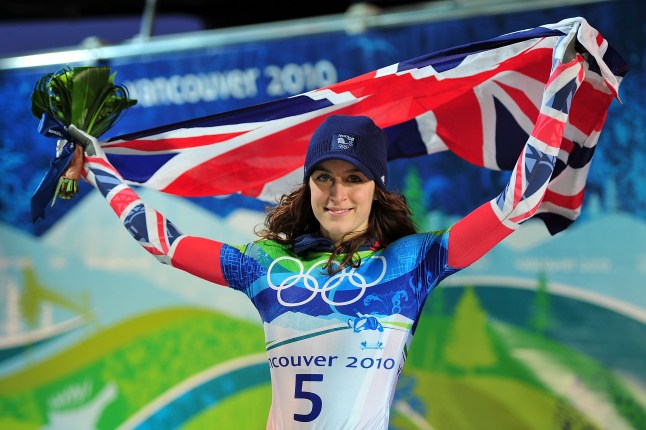
Williams’ gold was the first in an individual event for Great Britain at the Winter Olympics in 30 years (Picture: Getty)
After appearances at a couple of early Olympics, skeleton became a permanent fixture at the Games in 2002, much to the benefit of the British team.
Drawn to the sport by the opening of Bath’s unique push-start track during her undergraduate studies in 2002, Williams’ Olympic dream motivated her to quickly become the country’s premier athlete.
At the 2010 Games in Vancouver, she broke the track record twice and won by a margin of 0.56 seconds, despite never having won a World Cup or World Championship race.
She retired due to injuries in 2012, becoming a presenter on Ski Sunday and the Gadget Show, as well as competing at Wales Rally GB.
Lizzy Yarnold – skeleton (2014 and 2018)
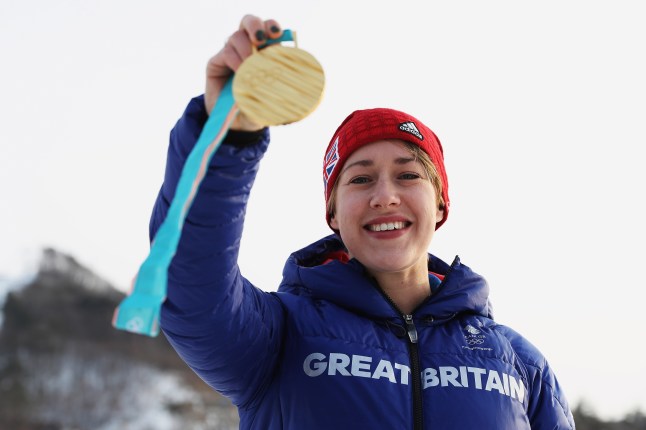
Yarnold is the only British athlete to win multiple Winter Olympic gold medals (Picture: Getty)
Lizzy Yarnold is Britain’s most decorated winter Olympian of all time, as she earned back-to-back gold medals in Sochi and Pyeongchang.
It was UK Sport’s Girls4Gold campaign that lured her to hurling herself headfirst down mountains at 150km/h, and she moved up from the junior categories in around 2011.
At the 2014 Games in Sochi, Yarnold dominated the competition, setting the fastest time on all four runs and winning by almost a second overall, prompting her to be nominated for BBC Sports Personality of the Year.
Four years later, the scene was very different. Yarnold had spent a year away from skeleton to halt burnout, only returning in December 2016.
She was then diagnosed with a vestibular disorder in 2017, which affected her balance, and arrived at Pyeongchang in 2018 with a chest infection, to the point where she was struggling to speak.
She fell to third place before the final day but rallied heroically to set a track record on the final run and take the gold medal by 0.45 seconds, with teammate Laura Deas placing third.
Women’s team – curling (2022)
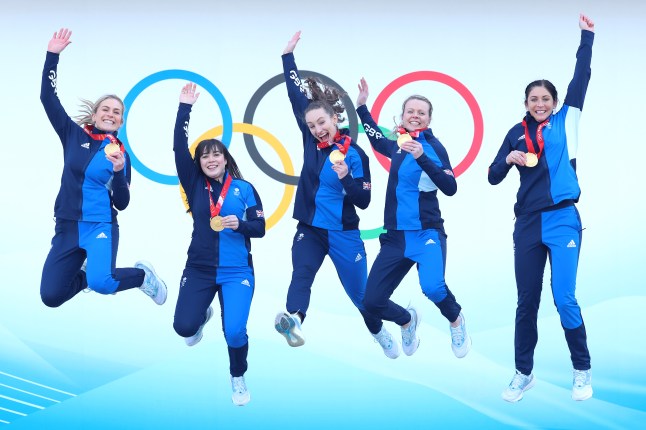
Team GB struck gold in Beijing (Picture: Getty)
Great Britain’s women’s curling team once again crept into the play-offs with five wins from their nine round robin games and faced second seeds Sweden in the semi-final.
An extraordinary match culminated in Britain snatching an 11-10 victory in an extra end, before they swept aside surprise package Japan 10-3 in the final.
The team of Hailey Duff, Jennifer Dodds, Vicky Wright, and captain Eve Muirhead rescued a disappointing Olympic Games in Beijing for Team GB, as no medals had been won until the men’s team earned curling silver the day prior.
Arrow
MORE: Winter Olympic athletes to be microchipped after crotch-enlarging cheating scandal
Arrow
MORE: Meet the TNT and BBC Winter Olympic presenters, pundits and commentators
Comments
Add Metro as a Preferred Source on Google
Add as preferred source
Football Newsletter – In The Mixer
Punchy analysis, transfer talk and more from Metro’s football experts, sent straight to your inbox every week.