Bread is a staple in many UK diets. For most households, it’s a weekly shop essential and a daily fixture, from toast at breakfast to sandwiches at lunch.
In fact, each year Brits buy the equivalent of 60 loaves per person, on average, according to UK Flour Millers.
When it comes to the nation’s favourite, white bread is the most popular choice, favoured by 29% of respondents to a 2024 YouGov poll. This was followed by seeded or granary (27%), sourdough (16%), and brown or wholemeal (13%).
While all bread is a good source of carbohydrates, for many, brown bread is seen as the healthier choice. Brown often contains more fibre and nutrients, such as vitamin B, calcium and iron, which can be lost in the white flour refining process.
But not all loaves that look wholesome deliver the benefits people expect. Some may only be marginally more nutritious than white bread, containing similar amounts of refined flour, salt and sugar.
The key, according to nutritionists, is in the ingredients list. Here’s how to tell the difference.
How to choose a healthier brown loaf
One of the biggest misconceptions about brown bread is that colour alone signals quality.
“Brown bread is often perceived as a healthier choice, however not all brown breads are equally nutritious,” nutritionist Jenna Hope explains to Yahoo UK.
This is because some shop-bought loaves are made using refined white flour, then darkened with ingredients such as malted barley flour or food colourings.
Even though these breads look brown, much of the grain’s natural fibre has already been removed during processing, so “whilst they may appear a nutritious choice, they’re often not,” Hope adds.
To help make the most nutritious choice she shares what you should be looking for on the ingredients list.
What to look for on the label
Malts and dyes
“Generally lower quality, more ultra-processed breads will have added malts or dyes,” says Hope, who also advises looking out for the addition of malted flakes.
“Look for natural colourings in the ingredients list too,” she says, as this is another sign the bread has been dyed.
Fibre content
Hope says fibre is one of the clearest indicators to check. “The fibre content can often provide an indication, as the fibre of genuine brown bread should be higher than other varieties,” she says.
Fibre supports digestion and helps you feel fuller for longer, and genuine wholemeal bread typically contains around two to three times more fibre per slice than white.
Short ingredients and wholegrain flour
The best idea when choosing a bread is to look for loaves with a short, simple ingredient list and made using wholegrain flour. These end to offer better value nutritionally than cheaper, highly processed alternatives, according to Hope.
If cost is a concern, she advises opting for higher fibre options of lower-cost breads. “Alternatively, you can buy smaller versions of better quality bread and consume it more sparingly,” she adds.

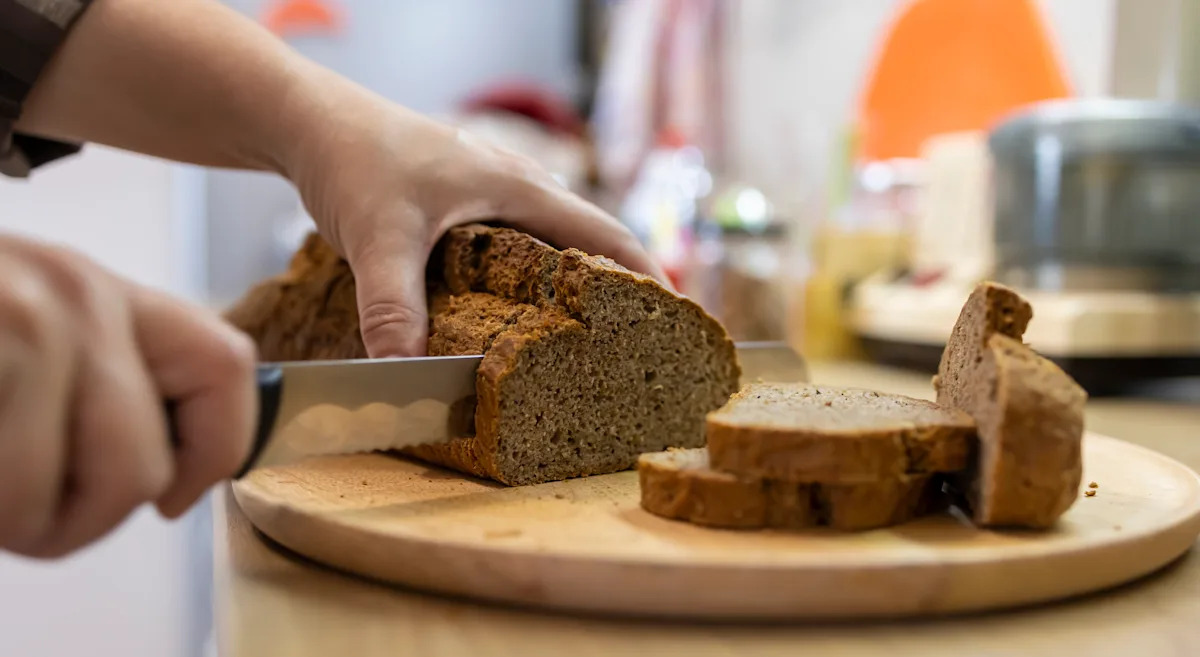
Brown bread made with intact grains delivers more nutrients.
(Getty Images)Wholemeal, wholegrain, granary or sourdough – what’s the difference?
Confused by the different types of brown bread on offer? Here’s how they compare.
Wholemeal bread
-
Made from flour that contains all parts of the grain – bran, germ and endosperm
Wholegrain bread
-
Wholegrain bread uses the whole grain too, but it’s processed differently from wholemeal. It often has a coarser, denser, and more textured appearance with visible bits of grain or seeds
-
It’s nutritionally similar to wholemeal, though fibre levels can vary by brand
Granary bread
-
Contains malted wheat flakes and often made with a mix of wholegrain and refined flour
-
Usually more nutritious than white bread, but not always as high in fibre as wholemeal
Brown sourdough
-
Can be a good option when made with wholemeal or wholegrain flour
-
Supermarket versions can still use refined flour, so checking ingredients matters here too
How to make brown bread healthier
One of the easiest ways to boost the nutritional value of brown bread isn’t by swapping the loaf, but by paying attention to what you eat it with.
Adding fibre, protein and healthy fats helps keep meals balanced and more filling, which may reduce overeating later in the day.
Simple, everyday topping ideas:
🍳 Eggs, which add protein and B vitamins
🧈 Nut butters, which provide healthy fats and help keep you full
🫘 Baked beans or hummus for extra fibre and plant protein
🧀 Cheese paired with vegetables like tomato or spinach
🥑 Avocado or olive oil–based spreads for heart-healthy fats
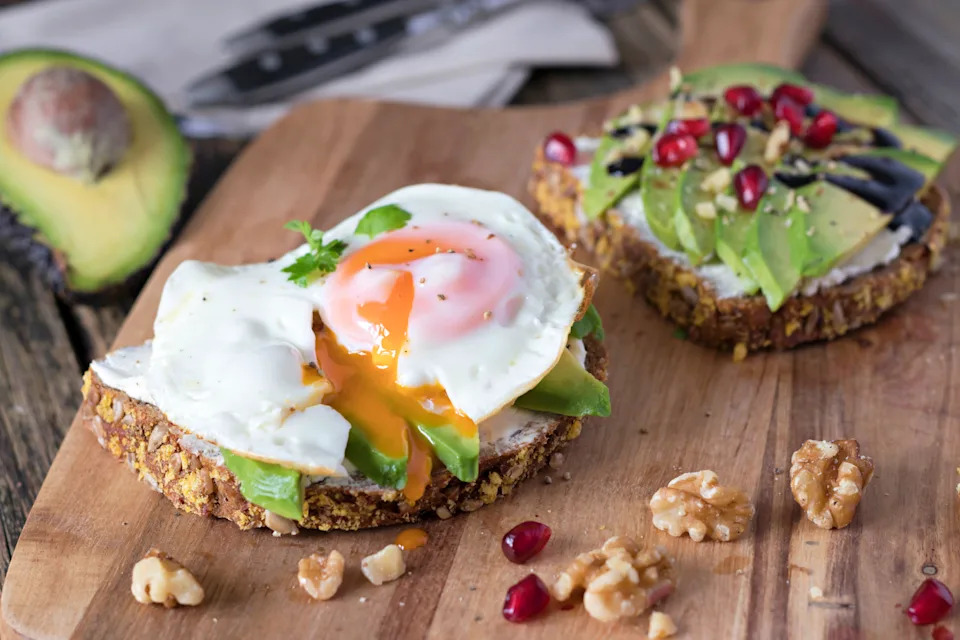
Adding eggs, beans or nut butter can boost your slice of toast.
(Getty Images)Is brown bread right for everyone?
Not always. “In very rare cases, individuals may be advised to follow a low-residue diet, in which case white bread would be a safer option here,” Hope says.
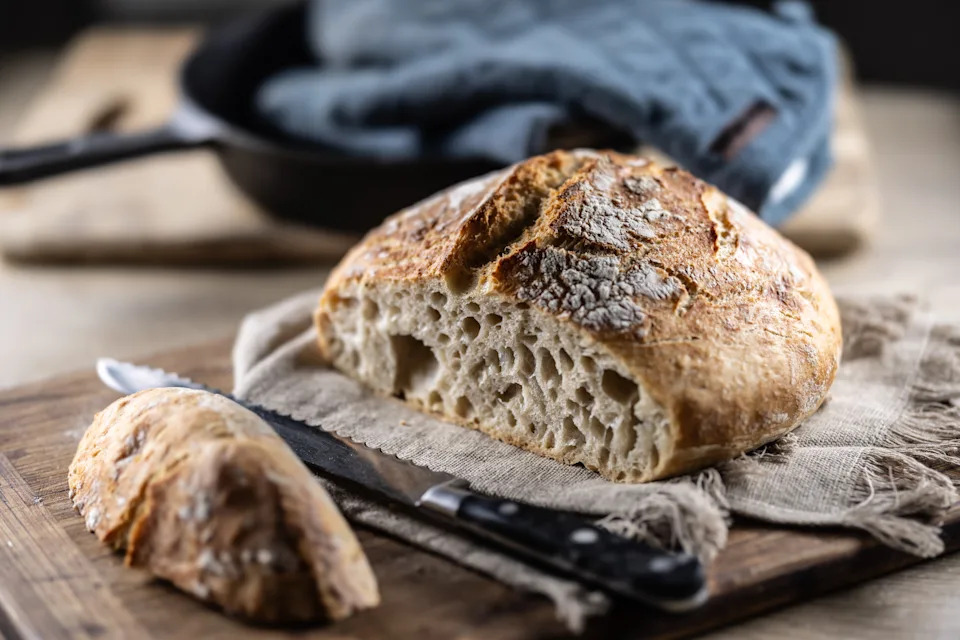
Sourdough is often easier to digest than highly processed bread.
(Getty Images)
Because it’s quicker and easier to digest, white bread is sometimes recommended during gut flare-ups – and in those cases, Hope suggests opting for minimally processed options… “a genuine sourdough from for example, Jason’s or Bertinet Bakery.”
People with coeliac disease, wheat allergy or gluten intolerance need to avoid gluten-containing breads altogether.