Police Scotland may be failing to take fingerprints in more than 12,000 arrests a year, potentially missing chances to identify suspects or link them to unsolved crimes, a watchdog has warned.
A new review by the Scottish Biometrics Commissioner found the service was only taking the fingerprints of those charged with a crime.
This is at odds with forces in other parts of the UK and despite the law allowing Police Scotland to take the fingerprints of any adult it arrests.
The report said the failure to collect fingerprints risked undermining criminal investigations by preventing police verifying suspects’ identities in real time or linking them to unsolved crimes.
Read more
Dr Brian Plastow, the Scottish Biometrics Commissioner, said fingerprinting was a “critical step in the criminal justice process”.
“Not fingerprinting someone who has been arrested and brought into custody results in lost investigative opportunities, both now and in the future.
“It means Police Scotland cannot use its Livescan fingerprint technology to verify the person’s identity in real time, preventing misidentification and any attempts to defeat the ends of justice.
“It means the arrested person’s prints cannot be searched against unidentified crime scenes — in the UK or internationally.
“And it can also result in criminal justice inefficiencies, including where the arrested person subsequently becomes an ‘officially accused’ but cannot then be traced to acquire criminal justice samples including fingerprints.”
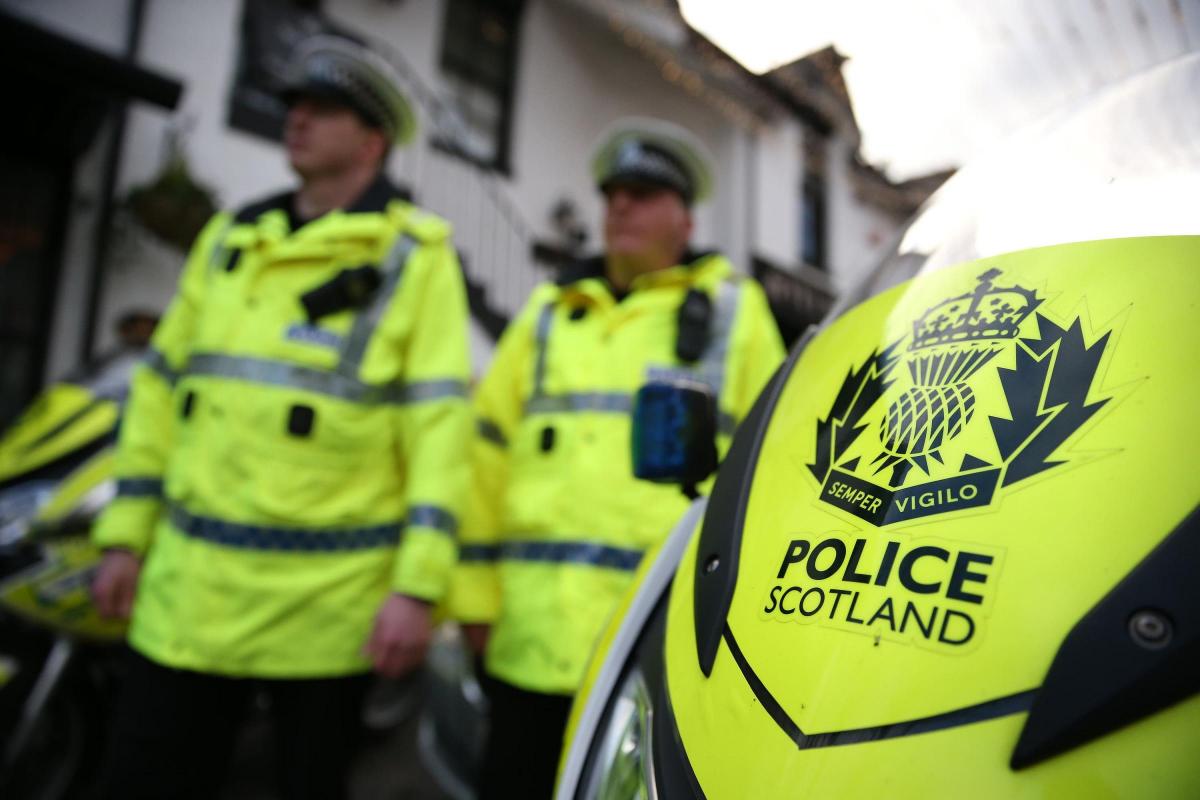
Police Scotland may not have fingerpinted 12,000 people (Image: Colin Mearns)
The review examined how fingerprints are taken, kept and used by Police Scotland and the Scottish Police Authority’s forensic services.
It concluded Scotland’s forensic fingerprint capability is “world-leading” but found a number of operational weaknesses.
During a three-month sample period, the review identified 3,202 cases where people who had been formally accused of crimes were arrested but not fingerprinted.
Extrapolated across a full year, the report said this suggested more than 12,000 arrests annually may not result in fingerprints being taken, including cases involving serious offences.
The review also raised concerns about the way fingerprint data was being handled in custody environments.
Investigators were told staff in Police Scotland’s Criminal Justice Services Division had sometimes “bulk-deleted” fingerprints from Livescan terminals — the electronic fingerprint scanners used in custody suites — before forensic identification staff had examined them.
These were reportedly carried out to reboot machines that had stopped responding.
Dr Plastow said the practice was not authorised.
“If fingerprints are completely lost through unauthorised deletion, this may mean an investigation cannot progress, which could have a significant impact on a victim or on an accused person if the fingerprints could have cleared them.”
The report makes 10 recommendations aimed at improving compliance with existing policies.
These include strengthening supervision in custody centres and restricting administrative deletion permissions to supervisory staff.
The report also highlighted wider strategic issues around the use of biometric technology in Scotland.
While the UK Government has developed a national biometrics strategy and invested in projects such as live facial recognition and AI-supported identification tools, Scotland currently has no equivalent long-term strategy.
Read more
Scottish Labour justice spokesperson Pauline McNeill said: “This is a significant intervention and both Police Scotland and the SNP should take it seriously.
“It is crucial that biometric details are taken where they could help solve crime and keep communities safe.
“The SNP and Police Scotland must review how processes are working and ensure they are fit for purpose.”
Scottish Conservative shadow justice secretary Liam Kerr said: “The alarming findings in this report highlight how Police Scotland is at breaking point.
“Ensuring fingerprints are taken from those who have been arrested is something Scots expect to routinely happen.
“However, years of SNP cuts means even these functions are being majorly affected.”
Graham Simpson MSP for Central Scotland, Reform UK Scotland, said: “Thousands of suspects arrested every year are slipping through the net because basic policing procedures are not being followed.
“Every missed fingerprint could mean a burglar, rapist or violent offender walking free.
“Failing to collect fingerprints from arrested suspects puts public safety at risk.
“The Scottish Government has no long-term funding plan to support this basic and effective tool that helps equip our police to do their job properly.”
A Police Scotland spokesperson said: “We take the findings of the Scottish Biometrics Commissioner Fingerprint Assurance Review seriously and will fully consider its recommendations.
“As part of dealing with the thousands of people brought into police custody every year, we capture a wide range of data and information, including fingerprints. On some occasions it may not be possible to obtain the fingerprint data due to an individual being in hospital or non-compliant, making it unsafe to do so.
“We are committed to capturing and retaining people’s data, including fingerprints, lawfully and in a proportionate manner and work is in progress to improve our custody processes.”
A Scottish Government spokesperson said: “Biometric data is important to the detection of crime, bringing perpetrators to justice and exonerating the innocent. How it is used by law enforcement must balance the rights of the individual with protecting the safety of our communities.
“The lawful, effective and proportionate use of biometric data is an operational matter for the Chief Constable, who must abide by the Scottish Biometrics Commissioner’s statutory code of practice.”