
A city councillor has called for more to be done to support city’s trans communities.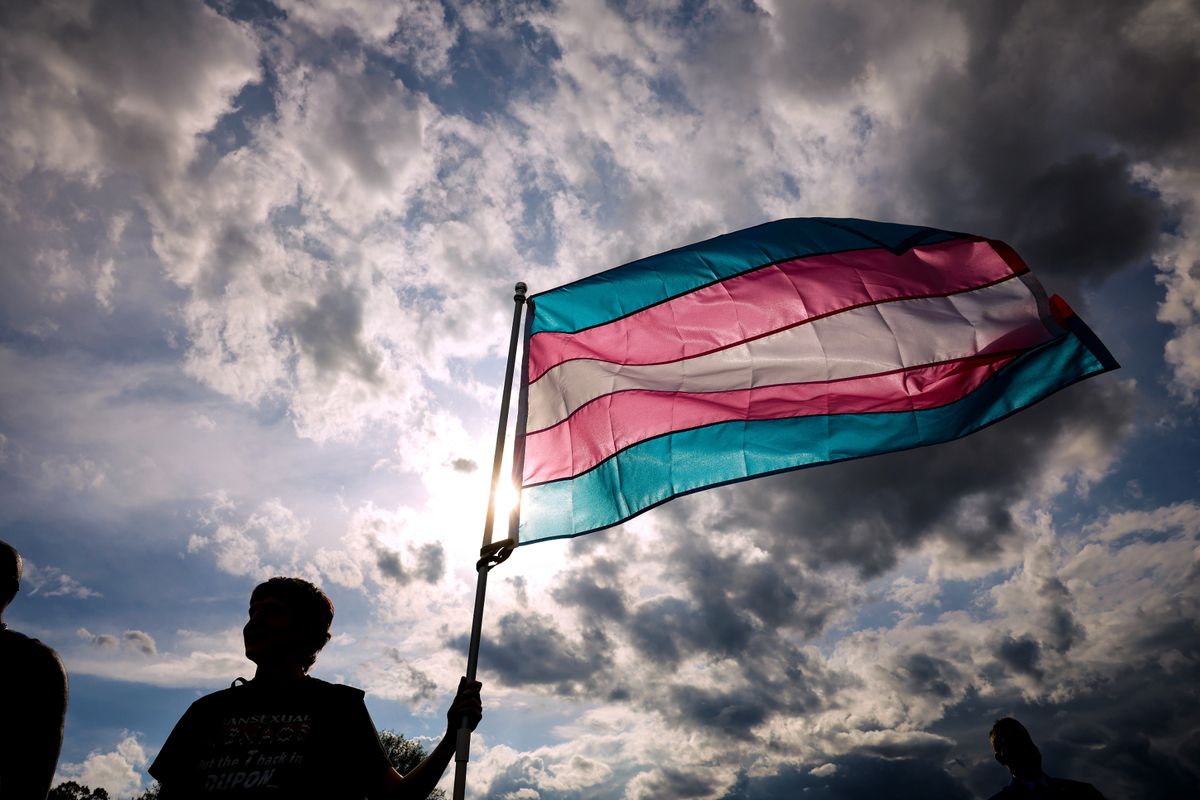
(Image: Getty Images)
Birmingham is the biggest city in the UK without a gender clinic to support trans people – and that should change to help bring down waiting times and improve access.
That was the message from Labour councillor David Barker, who is pressing for swifter action.
He told a meeting of Birmingham City Council today, Tuesday March 24: “Transphobia is rising and transitioning is becoming harder.
“In the United Kingdom, Birmingham is the largest city in the UK without a gender clinic of any kind.”
READ MORE: Warm council tributes to Villa fan and ‘one of city’s best’ Waseem Zaffar
He asked if more could be done by the council to request support and funding to establish a gender clinic to serve the West Midlands.
In response, Cabinet member for Health and Social Care, Coun Mariam Khan, pledged to meet members of the city’s trans communities to discuss next steps.
She said the council’s public health team had completed a profile of the trans community as part of a wideranging Joint Strategic Needs Assessment looking at each of the city’s communities.
“These findings have been disseminated to the trans community and solutions co-produced with them to address some of the inequalities they faced. This includes actions to improve wellbeing, promote uptake of screening and work with GPs to raise awareness of treatment and care.
“I would be more than happy to write to the Labour Government who have stood up for the LGBTQ+ community when other parties have not.”
Some 9,000 people living in Birmingham are thought to be trans – defined as people whose gender identity diverges from their assigned sex at birth.
There has been a significant rise in the number of people identifying as trans, and historically and between cultures it is a community that has been subject to stigmatisation, discrimination and criminalisation.
The study found that at that time (2022) there were seven gender identity clinics in the country for adults, with an average waiting time of four years, with more than 22,000 people on the waiting list.
But 80 per cent of trans people locally found the clinics difficult to access and 30 per cent of trans people in the region said their GP did not know how to refer them.
The study also found 70 per cent of trans and non-binary adults had experienced depression or anxiety in the previous 12 months and 12 per cent had recently attempted suicide. Young trans people, aged 16 to 25, were at higher risk.