
Historic Sunny Bank Mills Museum & Archive has been awarded £243,449 to deliver Dyevolution, an ambitious three-year project to uncover, preserve and share a little-known chapter of Britain’s textile history.
At the heart of the project, funded by from The National Lottery Heritage Fund, are six dye ledgers dating from 1888 to 1908 which are fragile, hand-bound books containing samples of dyed wool fibres.
These rare volumes capture a pivotal moment in industrial history: the shift from natural dyes to the early use of synthetic colour, a transformation that reshaped textile manufacturing worldwide.
The Dyevolution project will bring these extraordinary objects into the spotlight, revealing the experimental processes and innovations that defined a turning point in the industry.
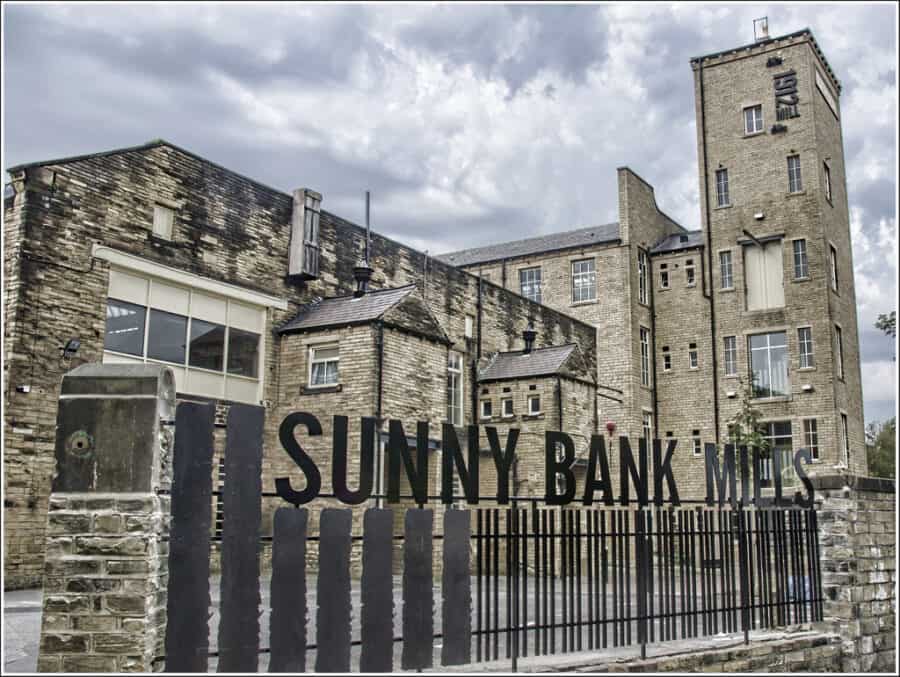 Venue: Sunny Bank Mills in Farsley.
Rachel Moaby, Heritage Director at Sunny Bank Mills, said: “This funding represents a vital investment in the preservation of one of West Yorkshire’s most significant textile heritage collections. We are incredibly grateful to National Lottery players for making this possible.
“The dye ledgers are exceptionally fragile, yet they offer an extraordinary snapshot of dyeing practices at a time of huge technological change. They document the transition from natural to synthetic dyes, a moment that transformed textile production but remains largely unexplored.
“Through Dyevolution, we will conserve and digitise these volumes, ensuring they are safeguarded for future generations. Just as importantly, we will carry out new research and share these findings widely, deepening public understanding of our region’s industrial heritage.”
The project will be delivered with the support of the British Museum, bringing world-leading scientific expertise to the analysis of the ledgers.
Dr Diego Tamburini, Scientist for Polymers and Modern Organic Materials at the British Museum, said: “These ledgers are an invaluable and rare resource. Precisely dated and containing both natural and synthetic dye samples, they provide a unique window into how dyers experimented with new materials at the dawn of synthetic colour.
“Using the British Museum’s state-of-the-art facilities, we can identify dyes at the molecular level, work that has the potential to significantly advance knowledge in heritage science. Dyevolution will help build vital reference data, supporting accurate identification of dyes in historic textiles and benefiting researchers far beyond this project.”
Sponsored content
 www.bramleybaths.co.uk