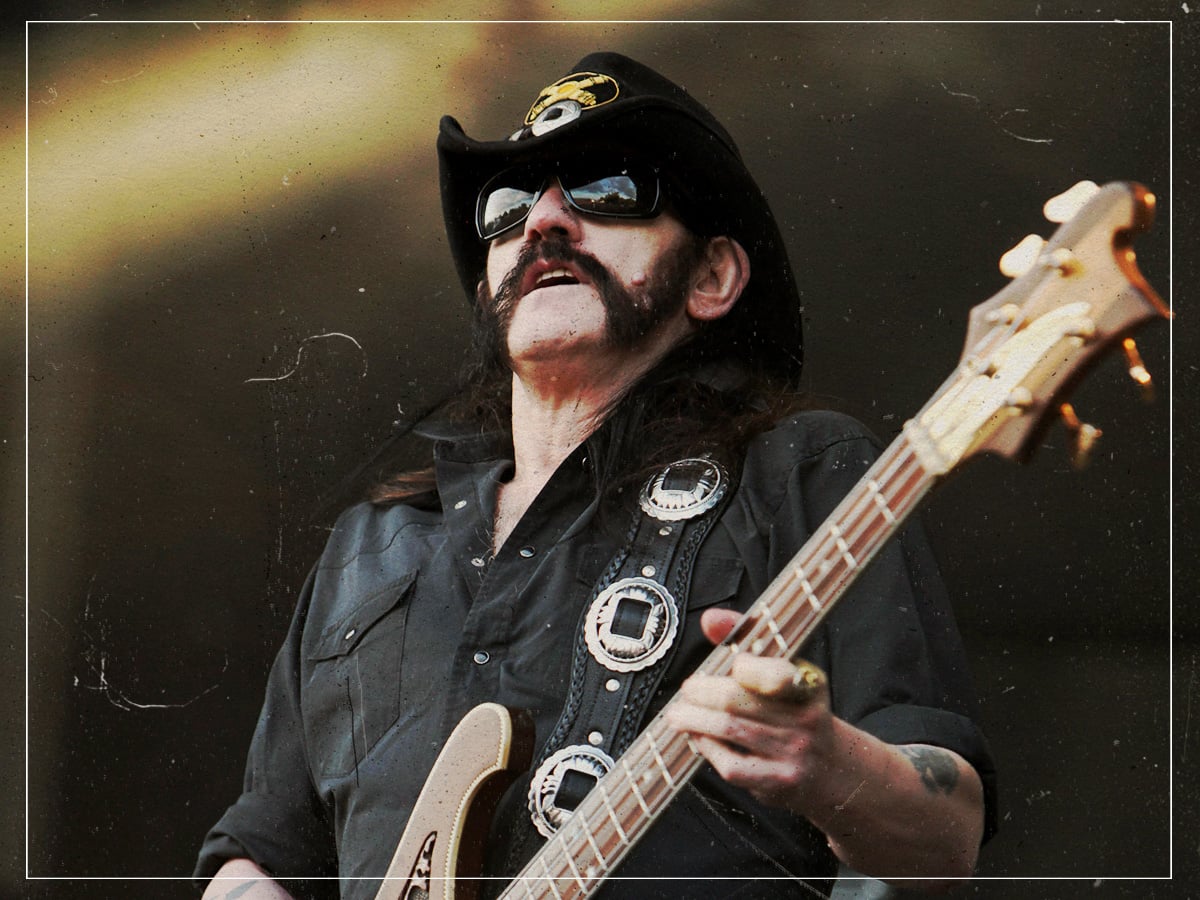
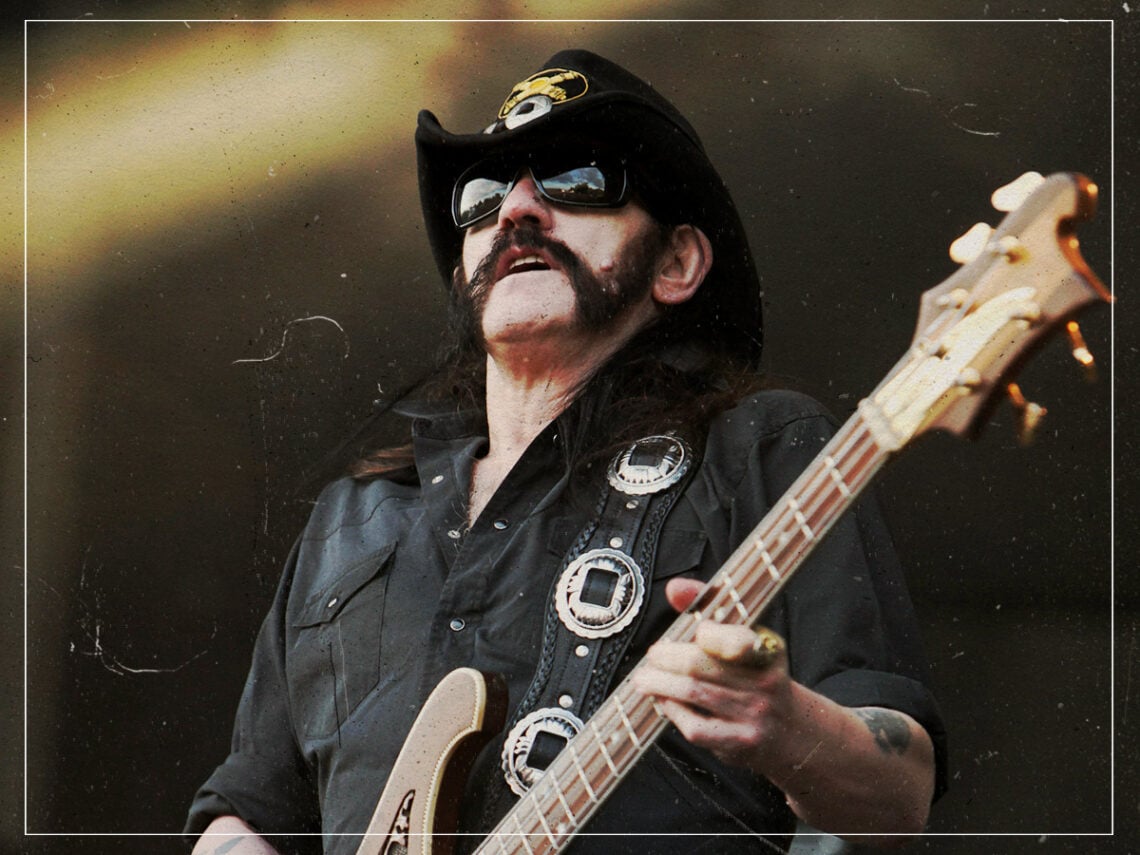
Credit: Far Out / Rama
Every songwriter is looking to find that magical melody that gets millions of fans chanting along. Although it might take a lifetime to get there, nothing compares to thousands of people showing up to a gig and singing a song back to the writer in a perfect union of musician and audience.
However, Lemmy never thought along those terms, and he learned to keep some of Motörhead’s hits at a distance.
Since the late ‘60s, Lemmy always saw the rock and roll lifestyle as part of his DNA, originally entering the fold as a roadie for artists like Jimi Hendrix. Despite having no aspirations to pick up a bass guitar, he lucked into the chance of a lifetime after someone told the members of Hawkwind that he could play the four-string, becoming a singer and bassist of the band playing space rock music.
After creative differences and a few too many drug busts, Lemmy set out on his own, looking to create some of the wildest music he’d ever heard, taking inspiration from the wild man antics of acts from his youth like Little Richard. As much as Lemmy put his nose to the grind on every Motörhead release, he did seem troubled being defined by only one song.
That tension is best illustrated by the legacy of ‘Ace of Spades’, the band’s most recognisable track and a permanent fixture in their live set. While it cemented Motörhead’s place in rock history, it also became something of a burden for Lemmy, who grew weary of audiences reducing the band’s catalogue to a single moment. He acknowledged that, despite his own fatigue, the song remained non-negotiable in performance because of the expectation that surrounded it.
 Credit: Alamy
Even so, the track’s influence reached far beyond casual listeners. It became a touchstone for generations of musicians, with bands like Metallica openly celebrating Motörhead’s impact through covers and collaborations. Its ethos also resonated outside rock circles, with artists from different genres embracing its defiant outlook, proving that while Lemmy may have grown tired of the song, its cultural weight continued to expand.
For all the blood, sweat, and tears poured into the Motörhead discography, ‘Ace of Spades’ will always be their signature tune, with Lemmy showcasing his gravelly voice to glorious effect and his signature Rickenbacker bass sound. When talking about the tune years after the fact, Lemmy did have some reservations about people showing up to Motörhead gigs just for the one song, telling White Line Fever: “I’m sick to death of ‘Ace Of Spades’ now. We didn’t become fossilised after that record, you know. We’ve had quite a few good releases since then. But the fans want to hear it, so we still play it every night. For myself, I’ve had enough of that song”.
Although the general public didn’t care to listen to Motörhead for that long after their hit, some of the biggest metal bands in the world were listening intently. Outside the hard rock scene, acts like Metallica held Motörhead as the gold standard, often covering songs like ‘Overkill’ and even bringing Lemmy out to guest on the song ‘Damage Case’ after the fact.
That love wasn’t just limited to the rock world, either, with artists like Ice-T quoting the lyrics to Motörhead’s signature hit, remarking in the Lemmy documentary: “You win some, you lose some, it’s all the same to me. I kinda live by that”.
Regardless of Motörhead’s borderline one-hit-wonder status among fairweather fans, the songs they wrote after their big hit saw them take on more adventurous material, including the concept piece on the album 1916. Outside of the loud and abrasive rock and roll, Lemmy also has branched out into different parts of the music world, penning the ballad ‘Mama I’m Coming Home’ for Ozzy Osbourne and delving into backwater blues on the song ‘Whorehouse Blues’.
Despite people lining up for just the one Motörhead song, it’s not an instance of Lemmy only writing one good tune and the rest was filler. In his case, writing a song that perfectly suits an artist is really all they need.
